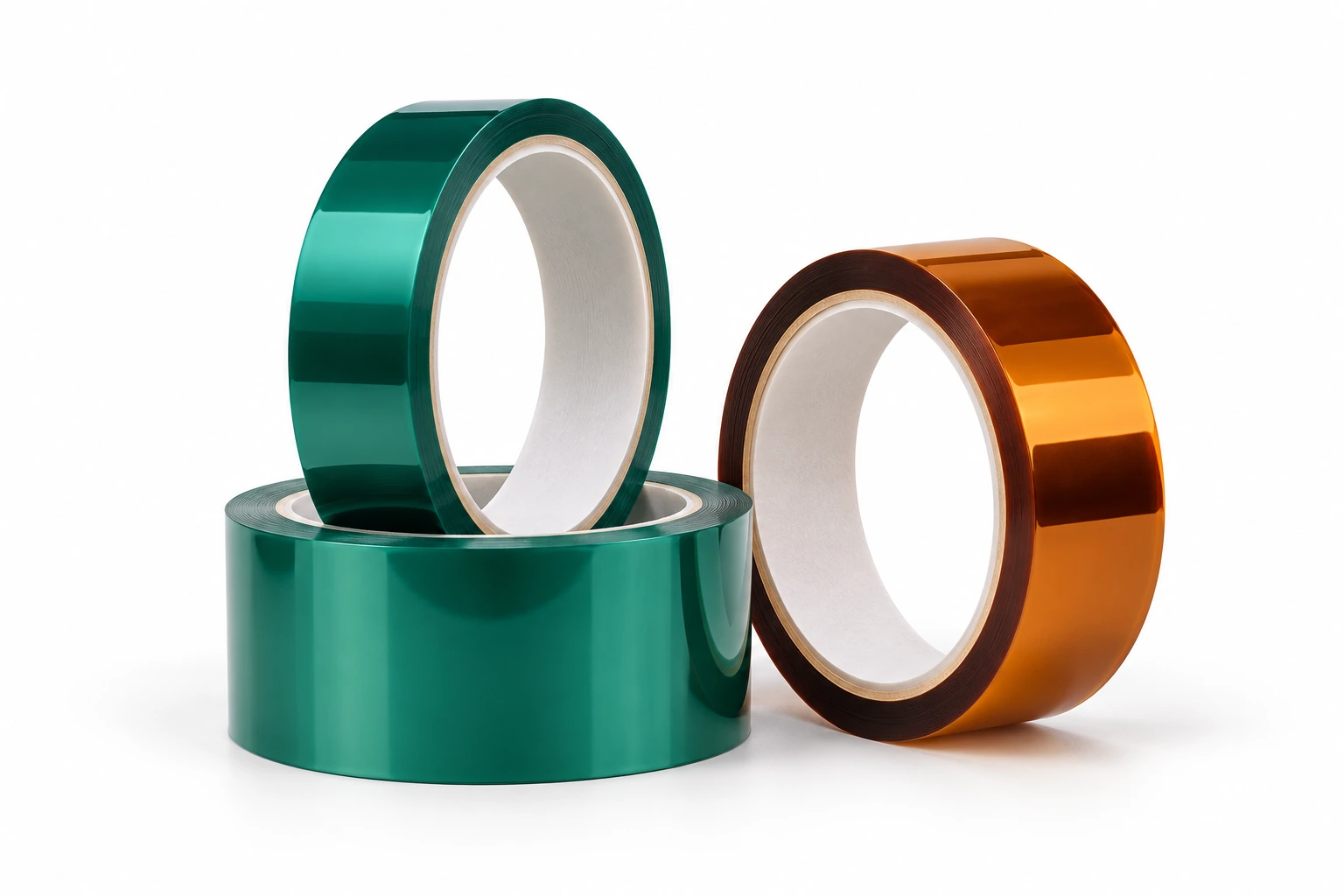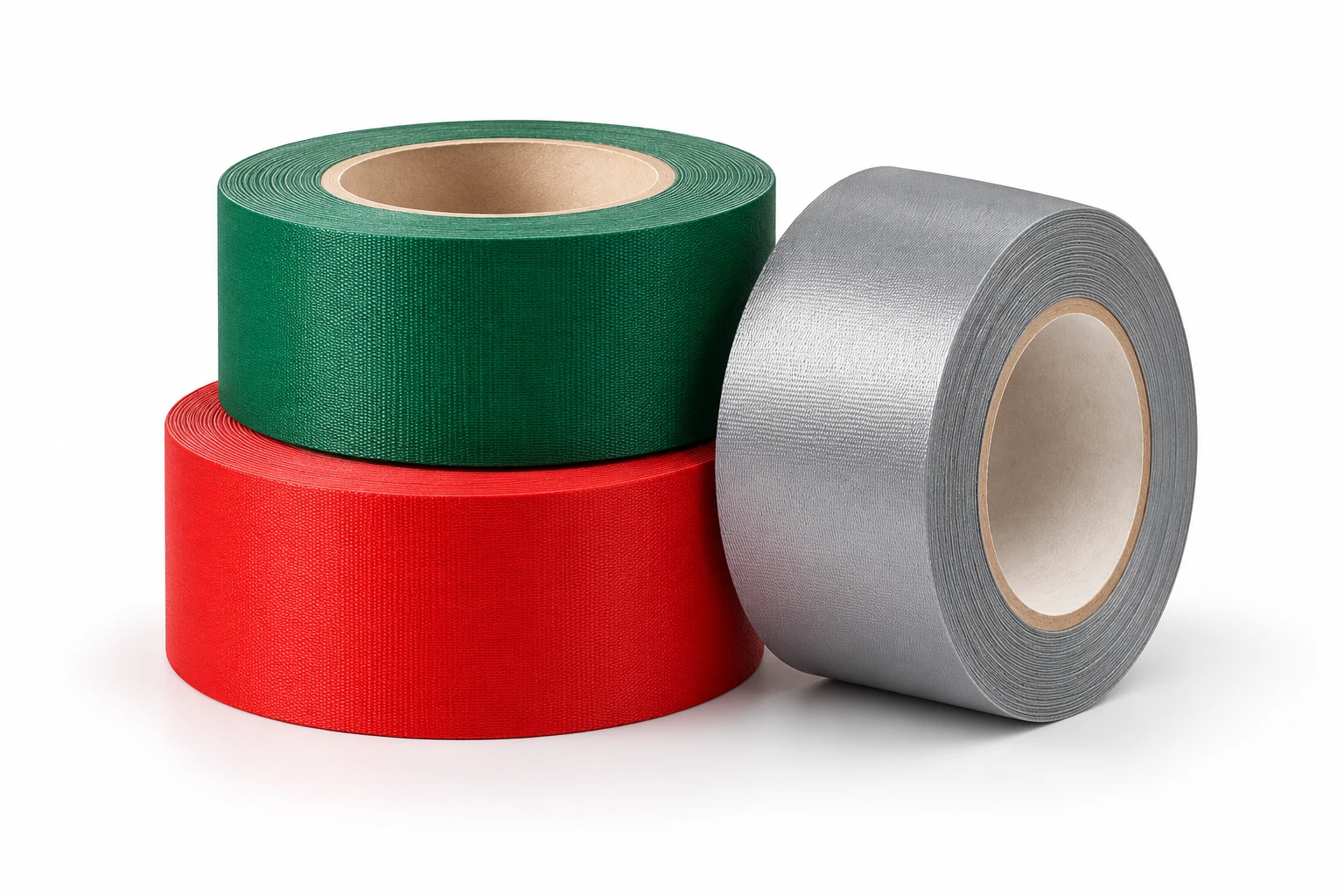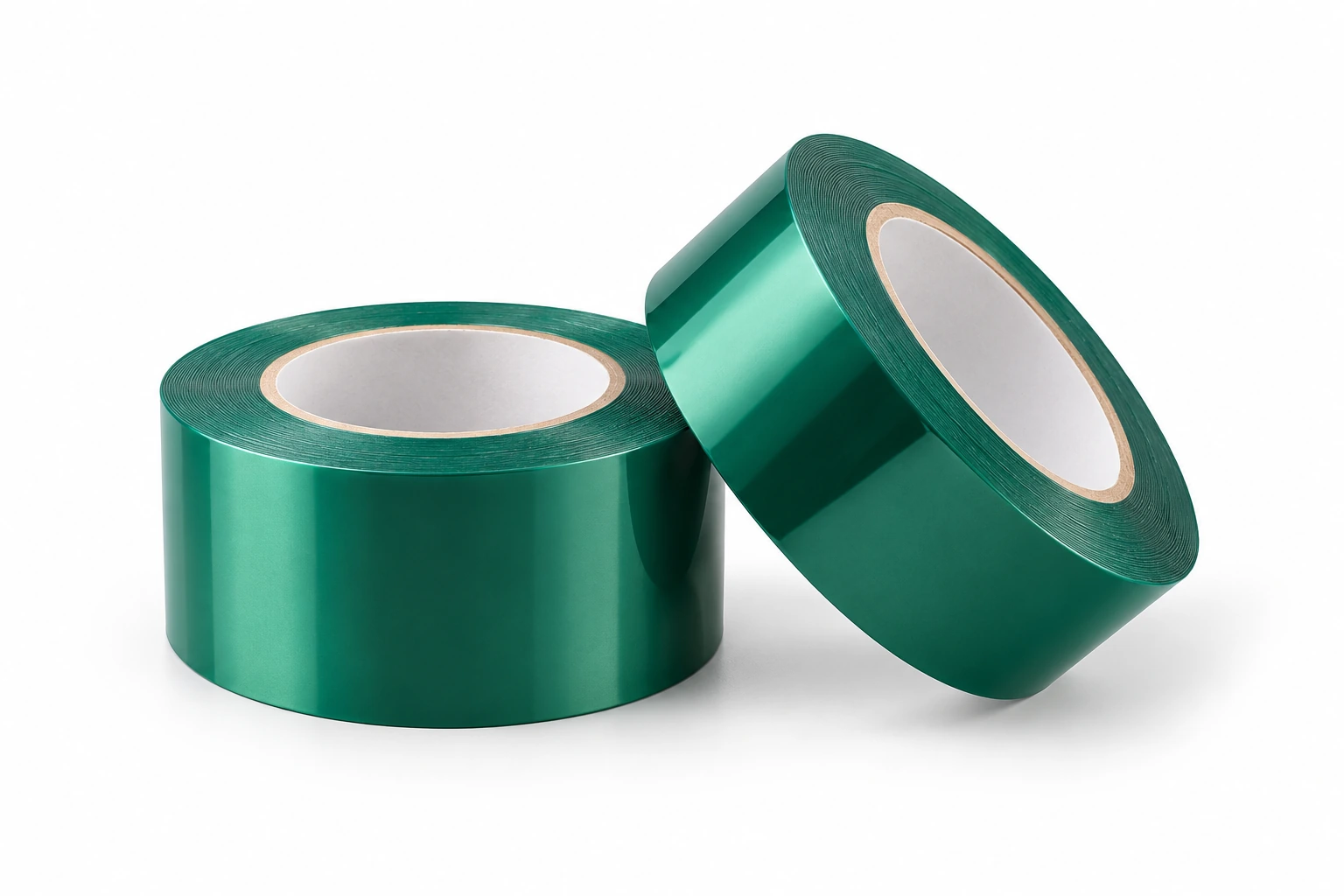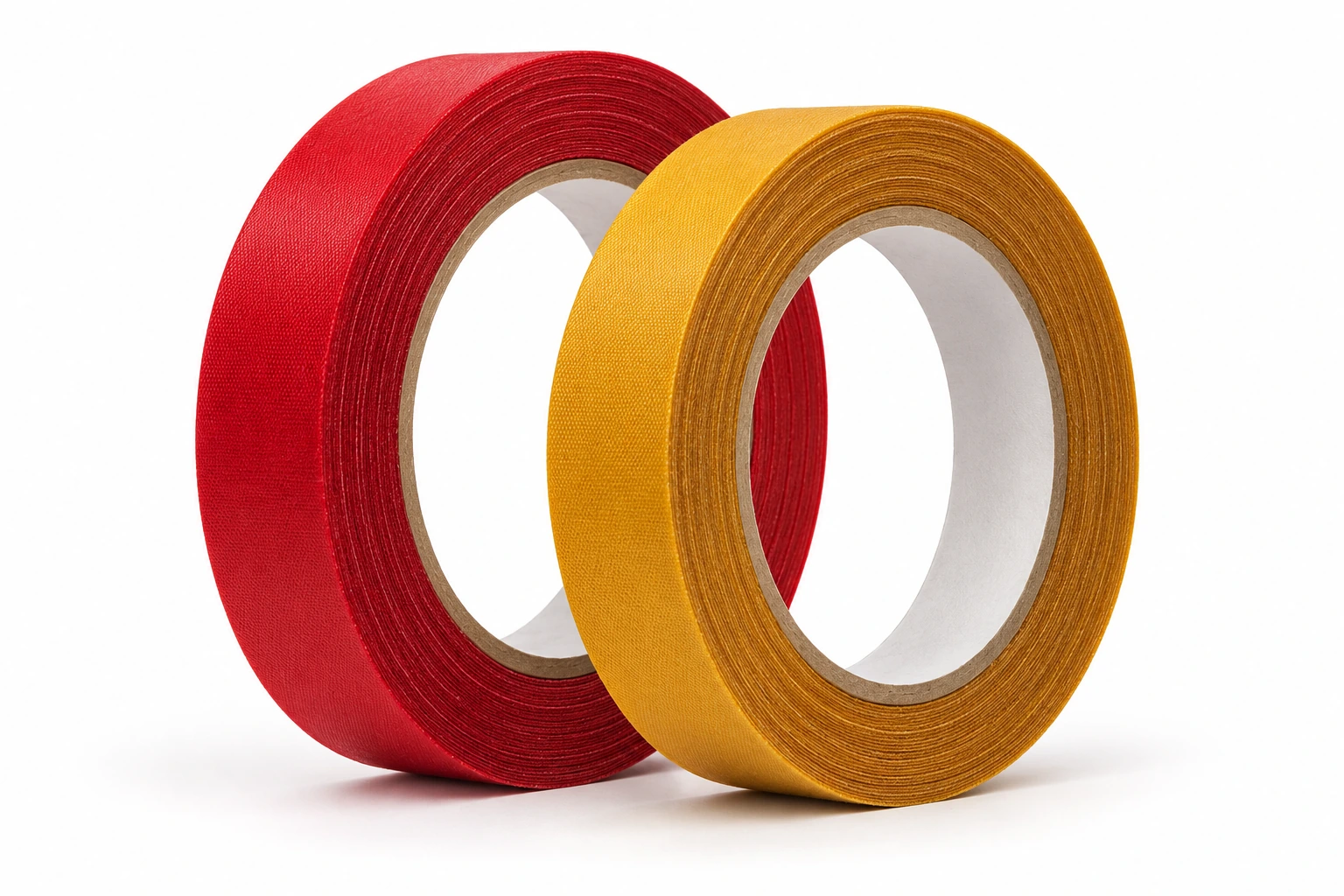
High-Performance Electrical Tapes Manufacturer (PVC, Rubber & Cloth)
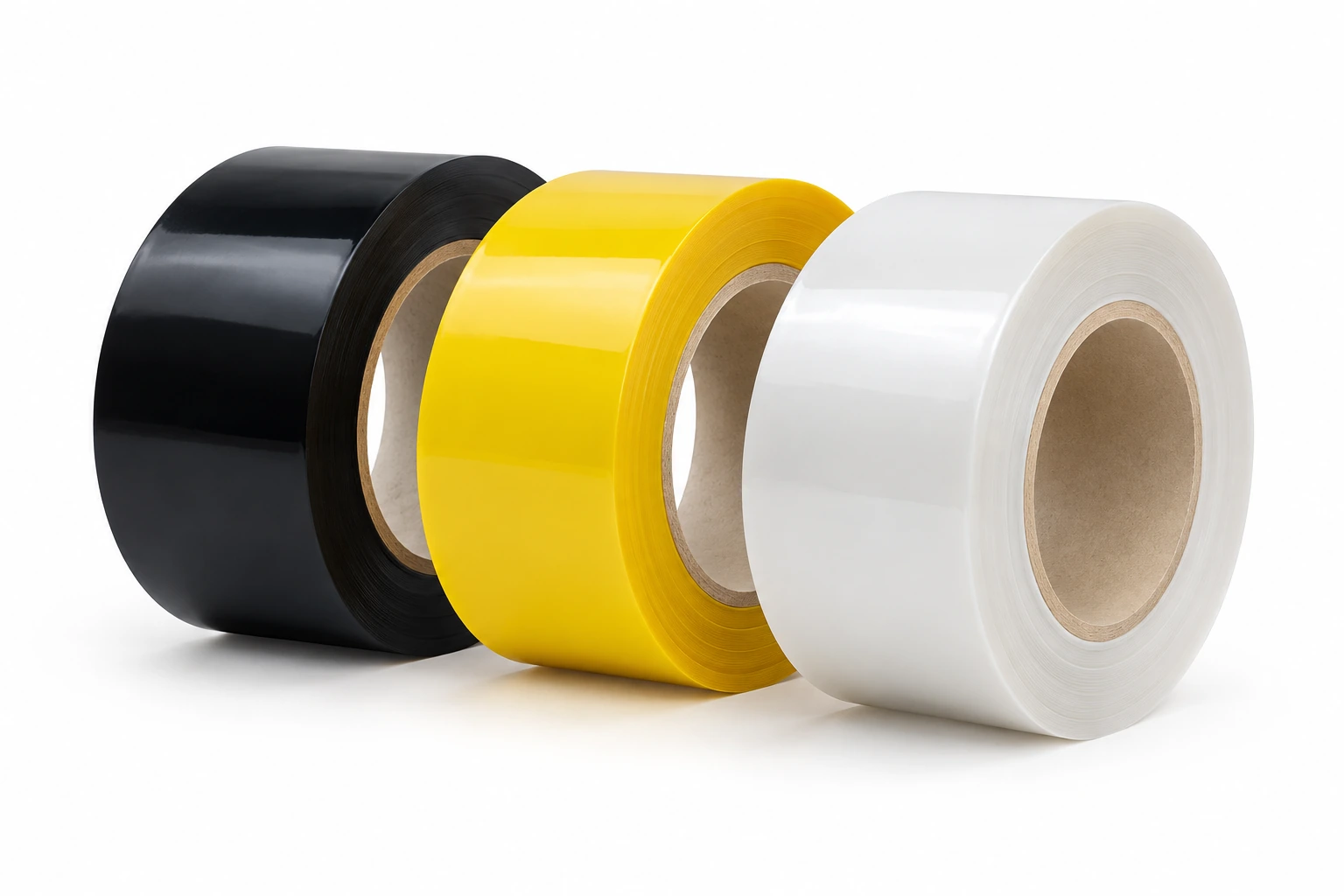
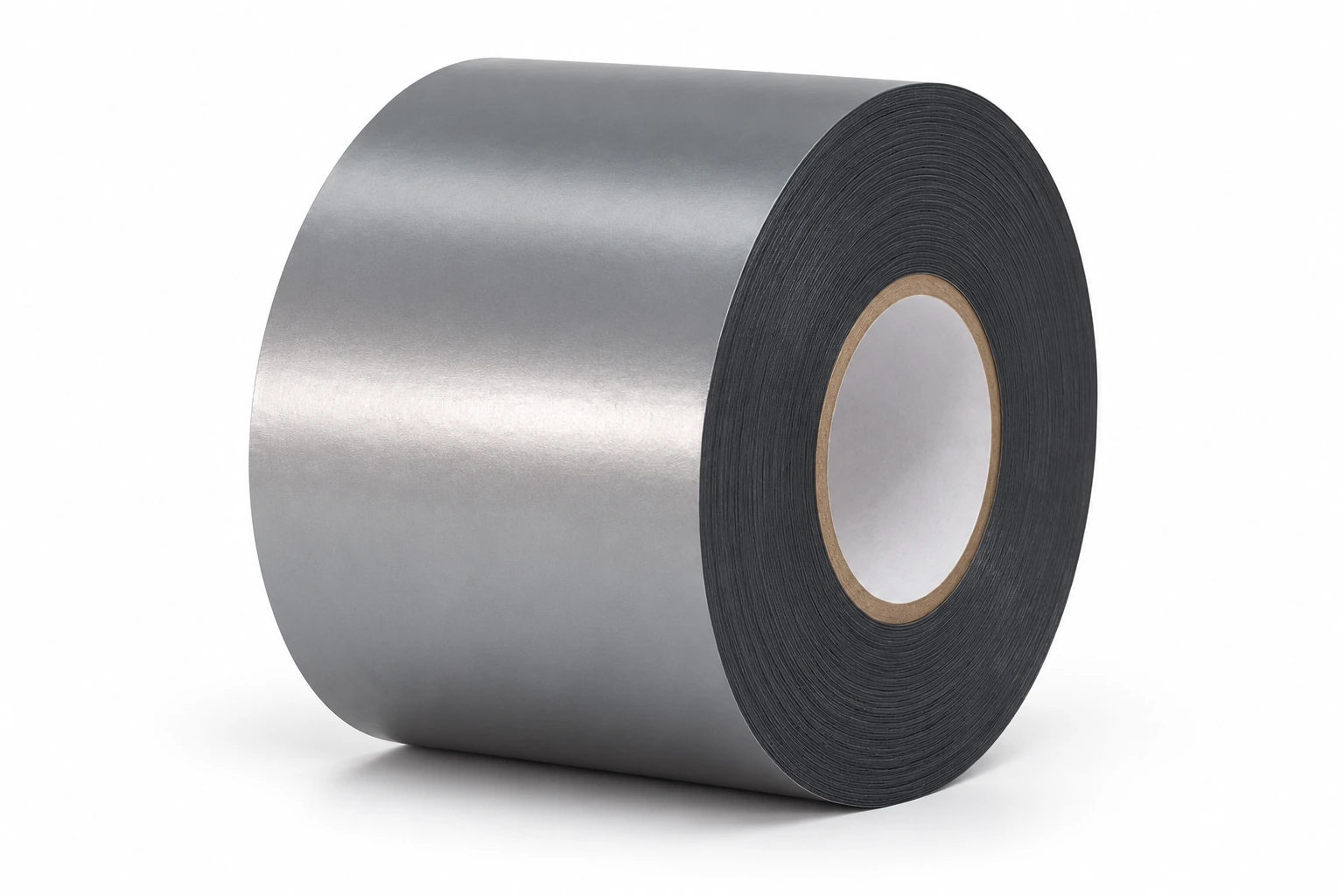
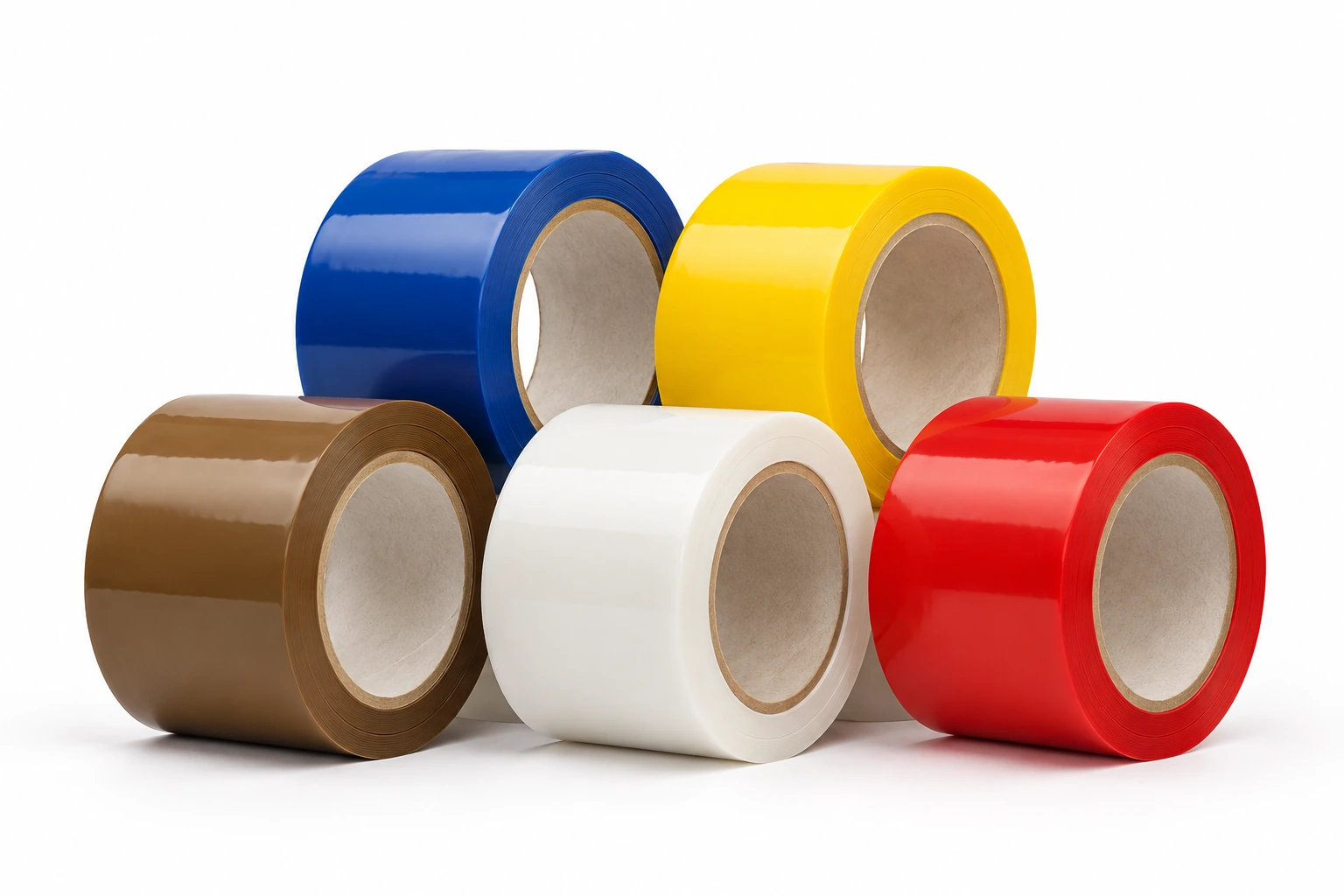
Achieve professional-grade insulation and abrasion protection with Tonful Electric’s comprehensive range of electrical tapes. From standard PVC vinyl tapes for color-coding to self-amalgamating rubber tapes for high-voltage moisture sealing, we engineer solutions that withstand extreme temperatures, moisture, and corrosion.
As a dedicated electrical tape factory, we offer UL Listed and VDE Certified products with custom slitting (width), private labeling (OEM), and bulk packaging options for global distributors.
Certified By
Our Electrical Tapes Range
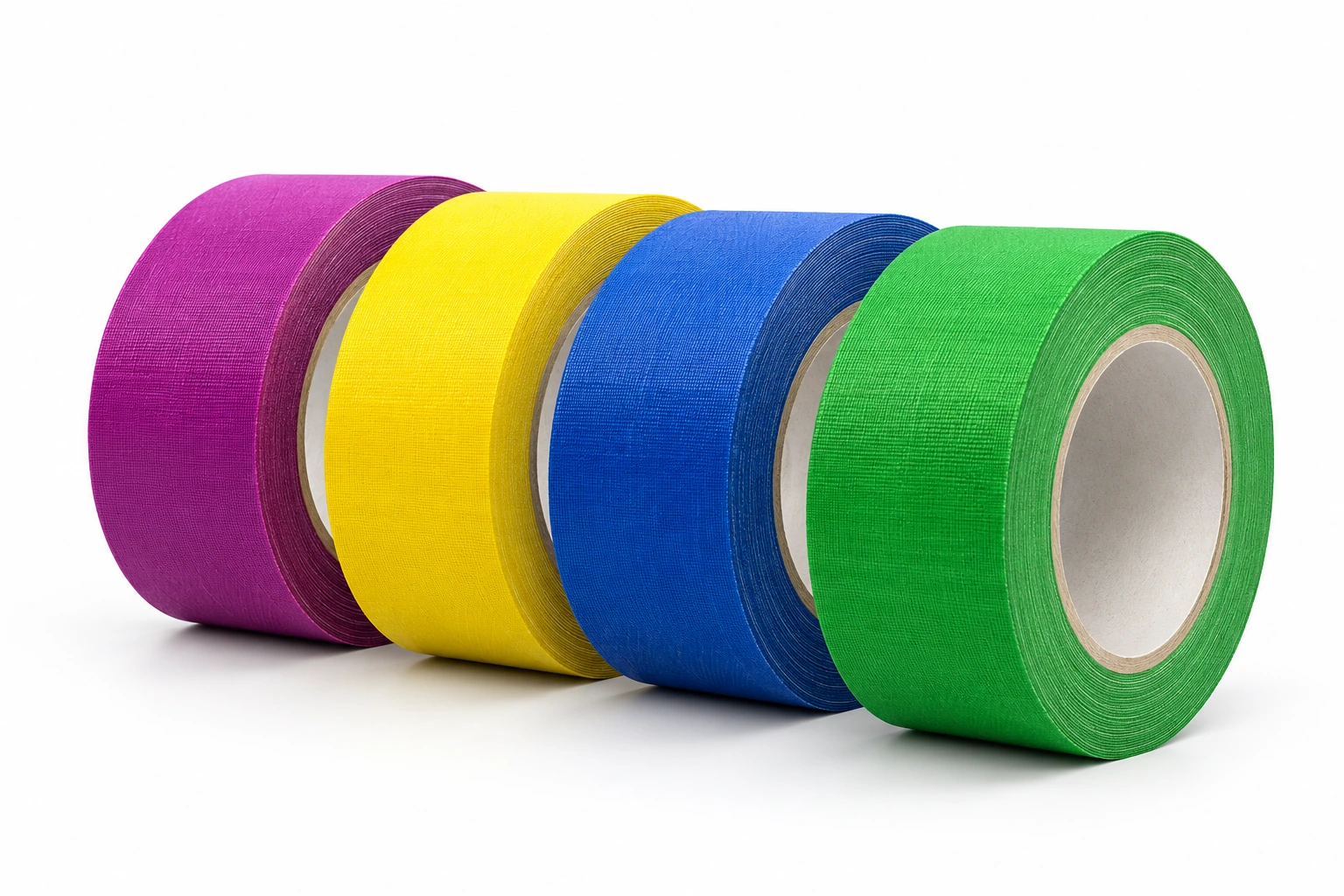
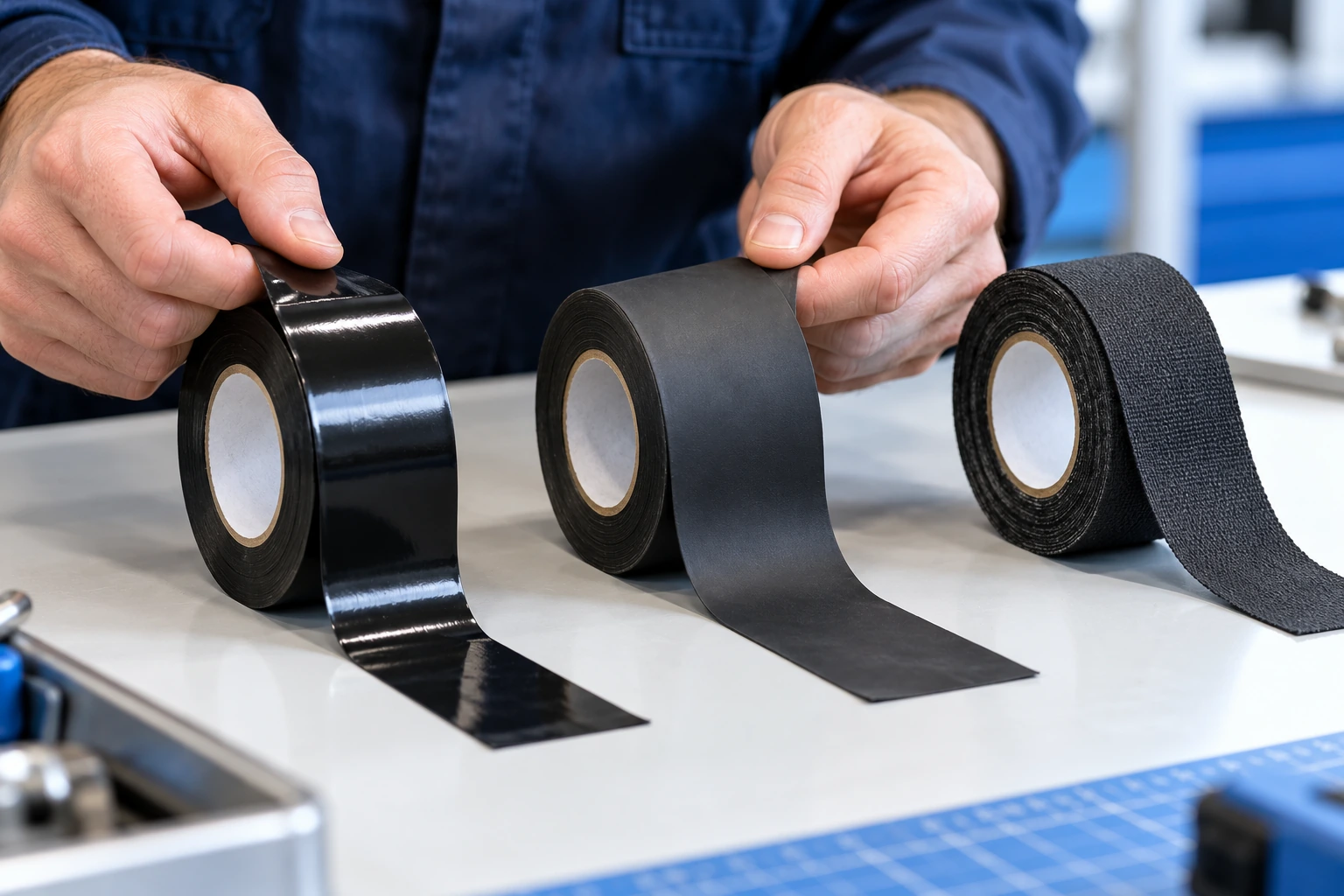
Cloth and Duct Tape
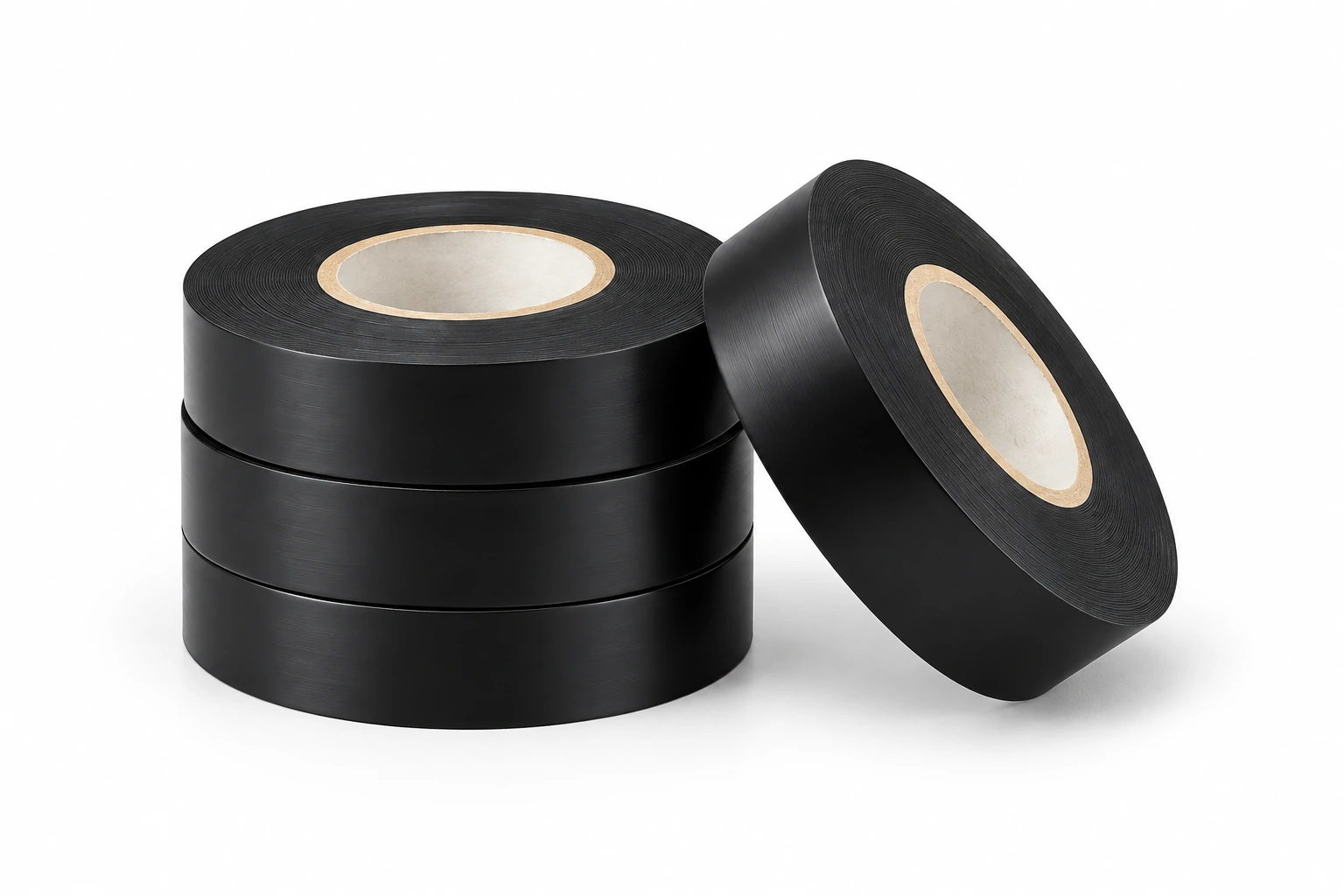
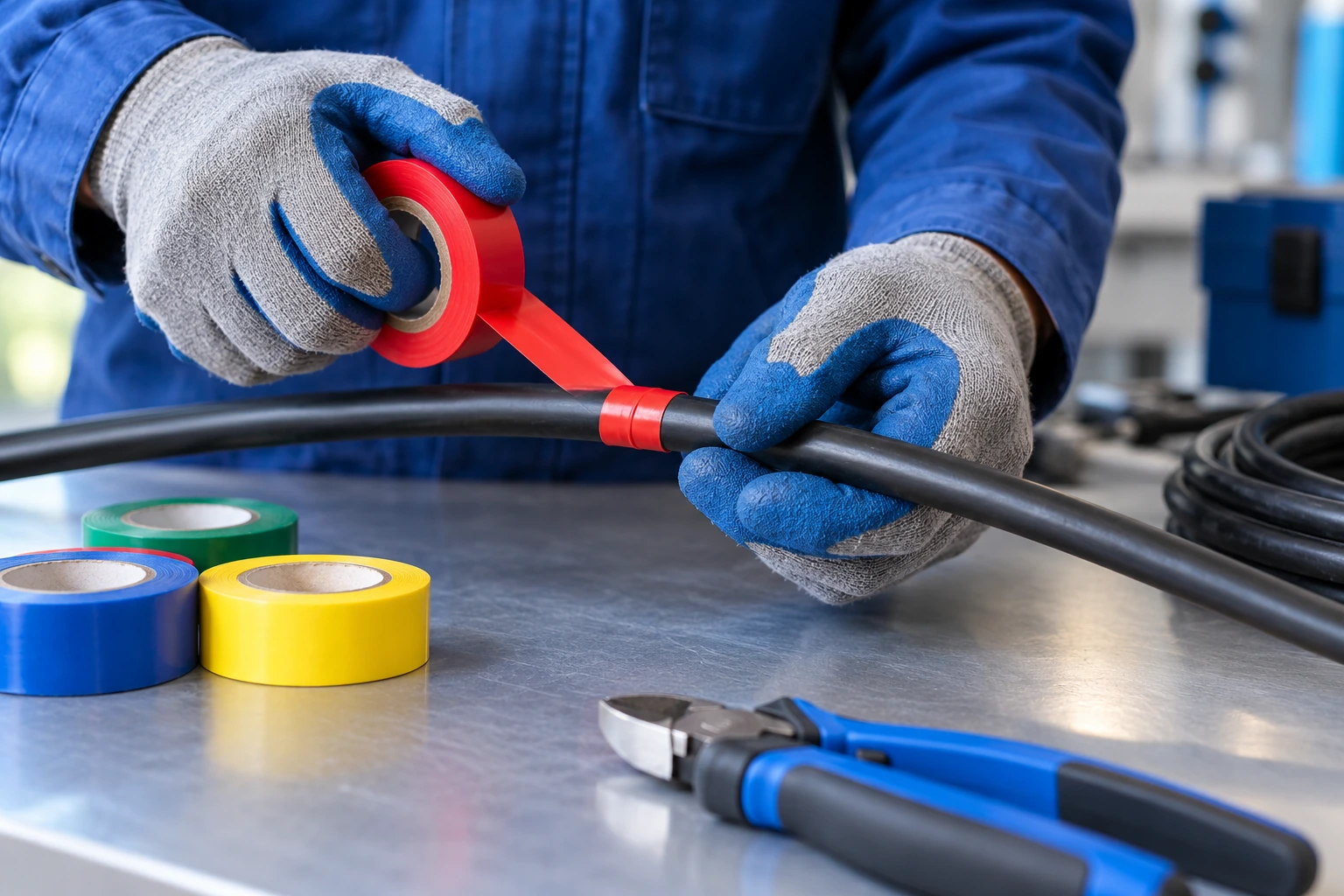
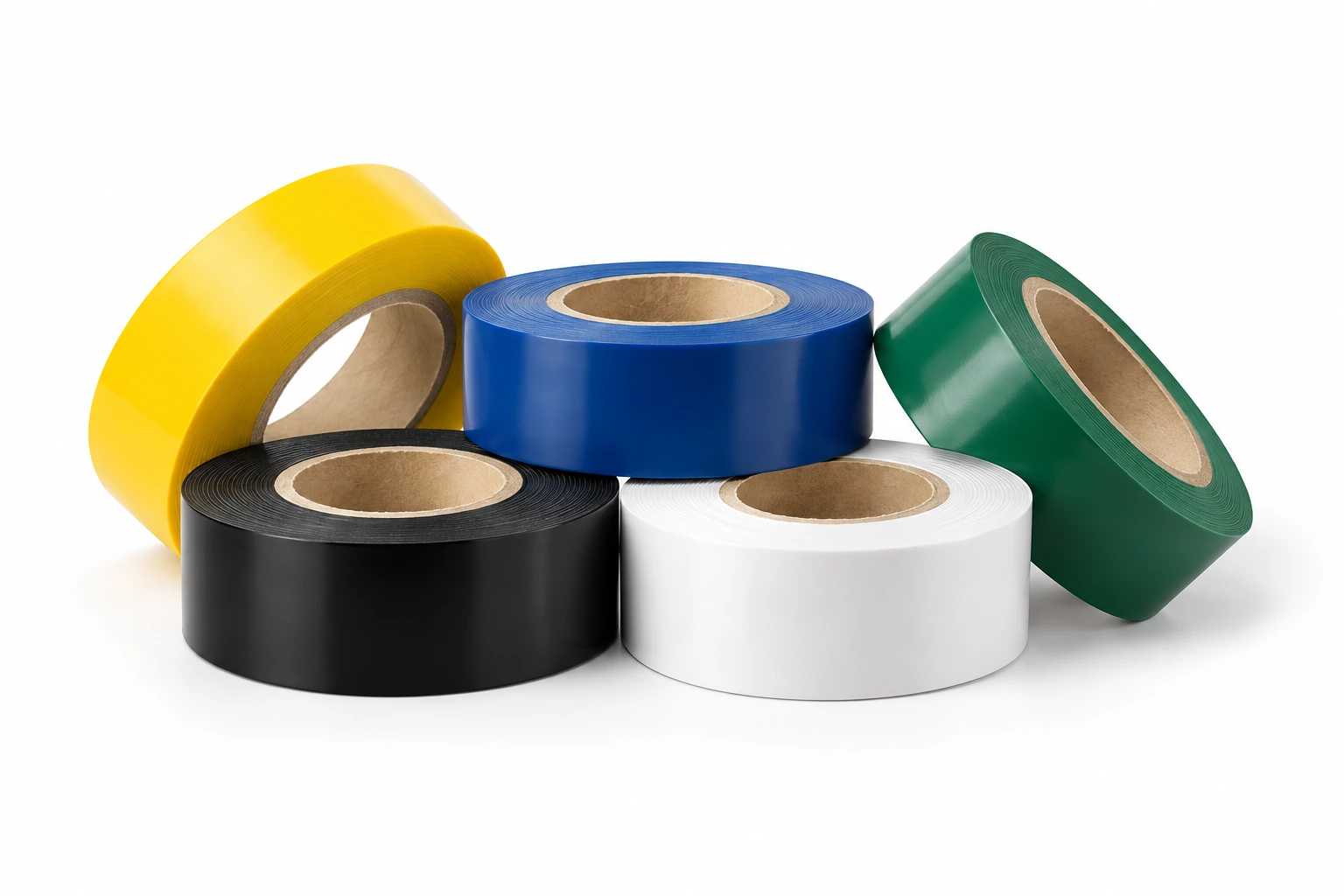
Vinyl Electrical Tape
Glass Cloth Electrical Tapes
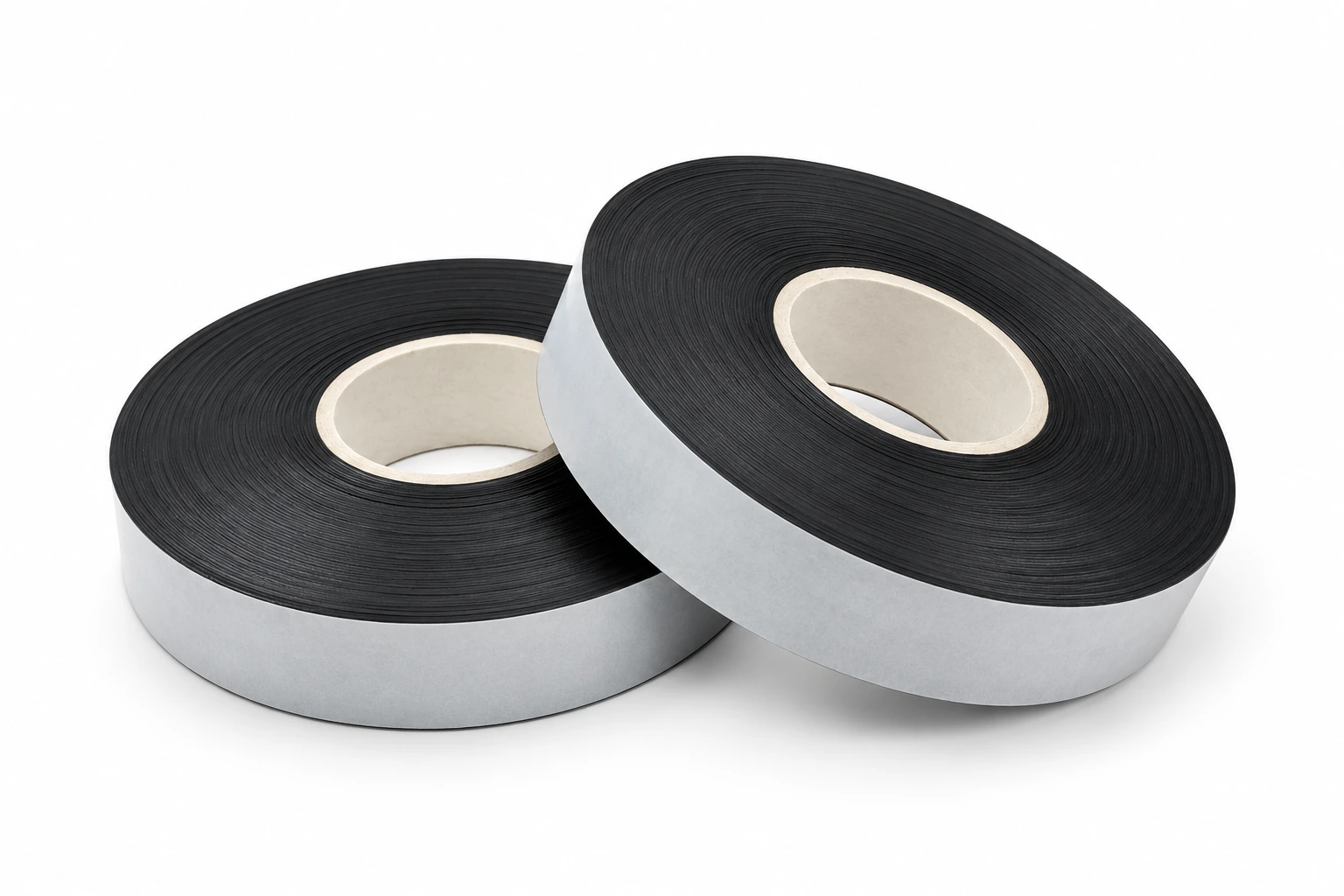
Rubber Electrical Tapes
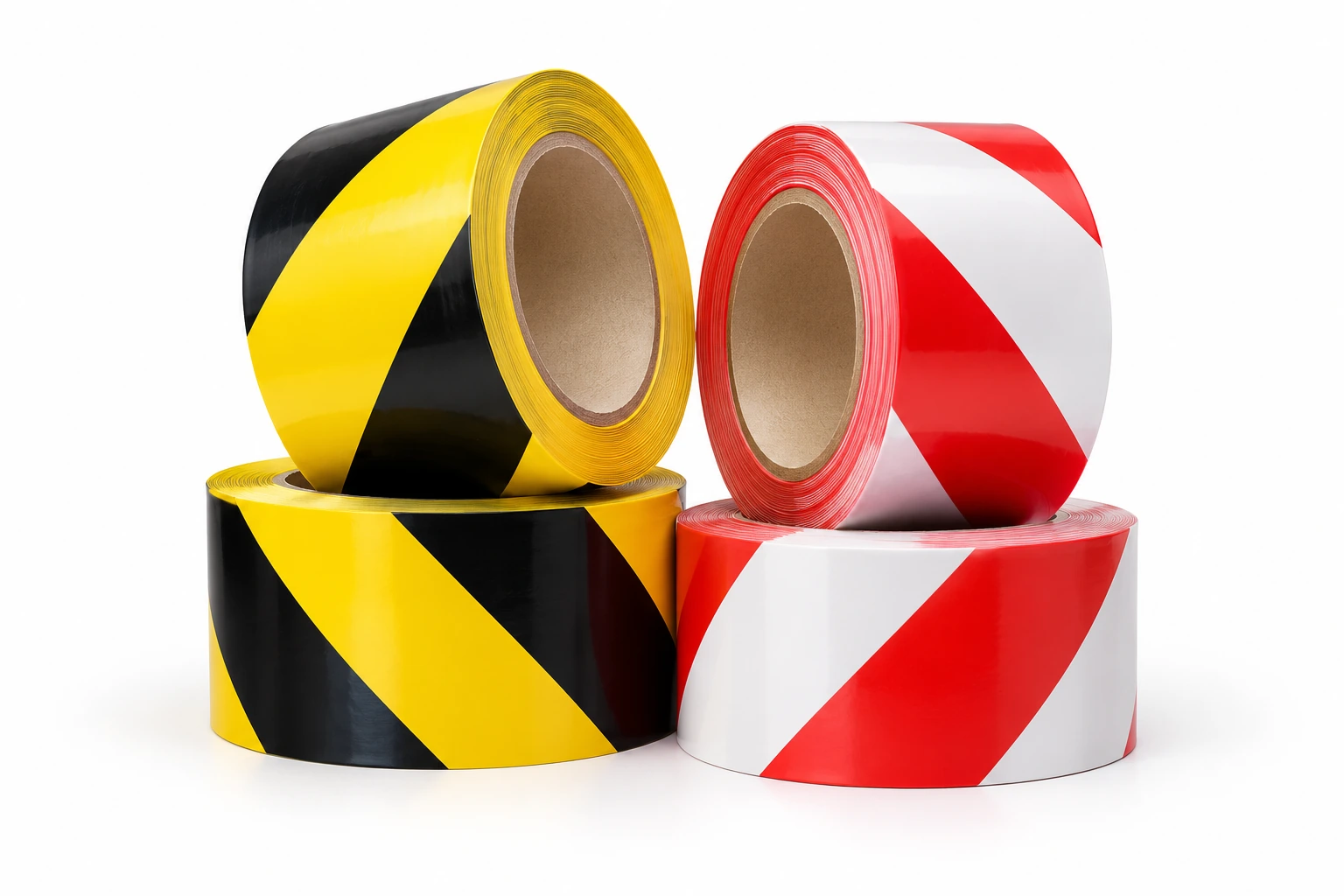
Sealing Tape
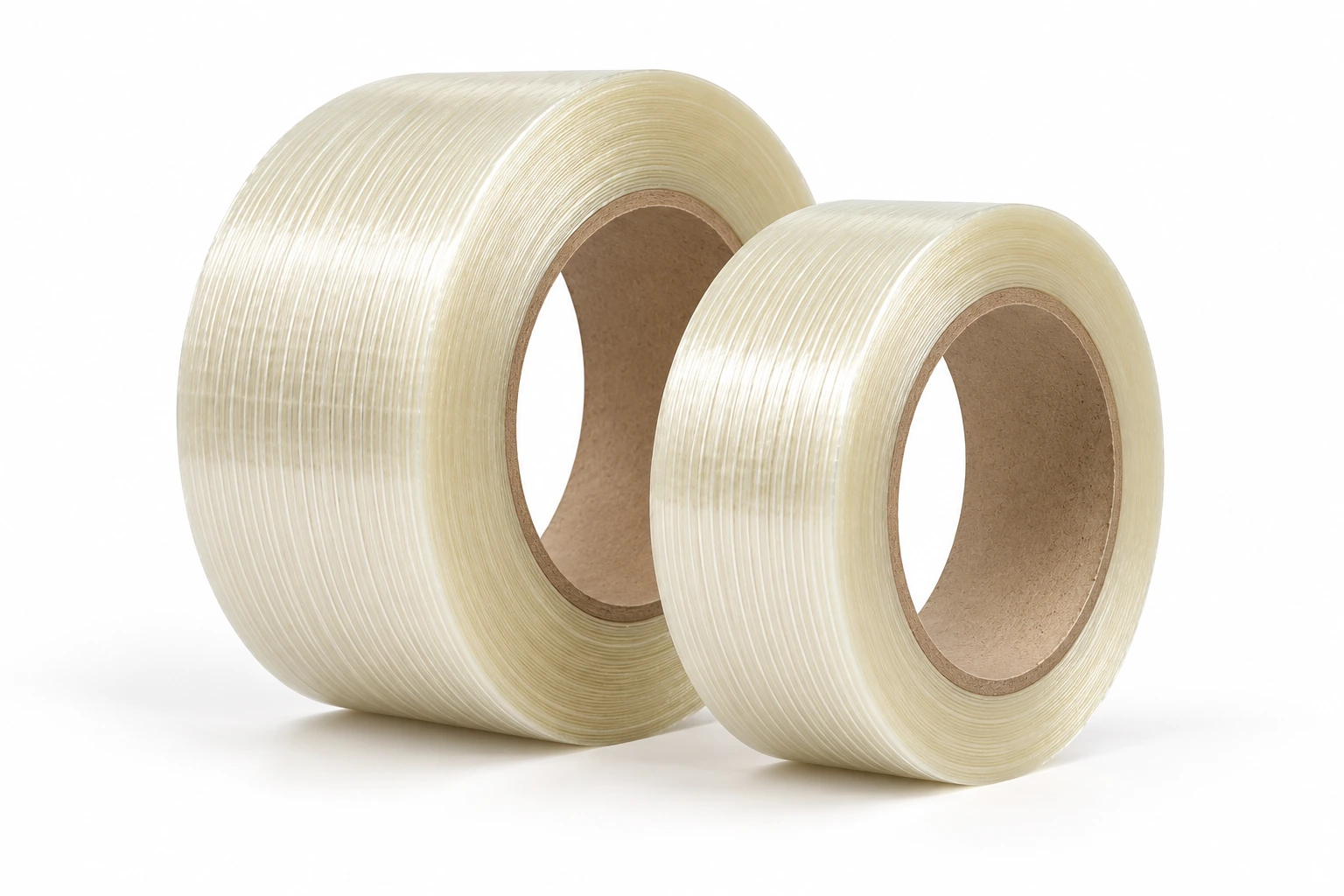
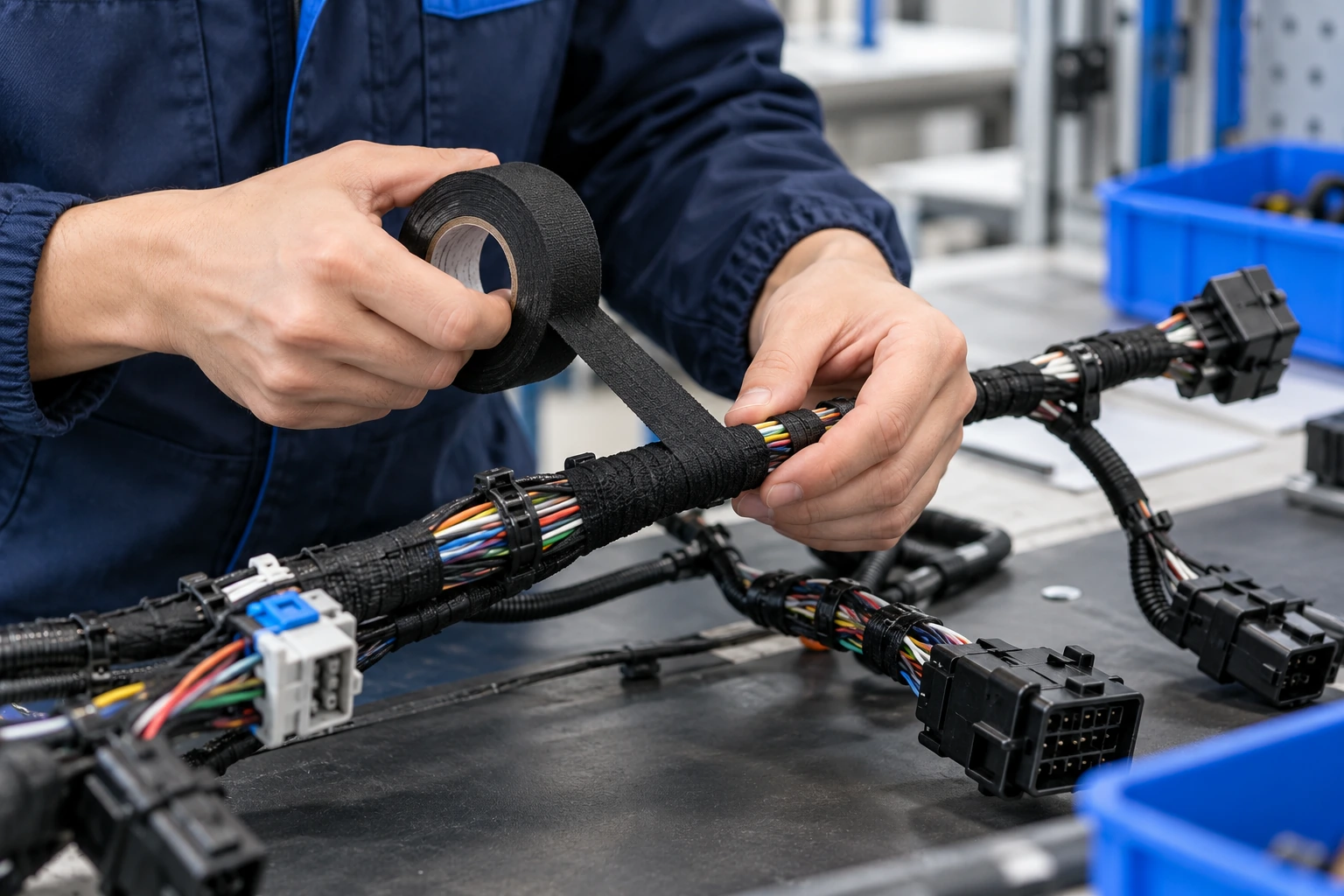
Wire Harness Tapes
Technical Specifications: General Purpose vs. Industrial Grade
| Property | General Purpose (PVC) | Professional Grade (Premium Vinyl) | Rubber Splicing Tape |
|---|---|---|---|
| Thickness | 5 mil / 6 mil (0.13mm – 0.15mm) | 7 mil / 8.5 mil (0.18mm – 0.22mm) | 30 mil (0.76mm) |
| Voltage Rating | Up to 600V | Up to 600V (Dielectric > 10kV) | Up to 69kV |
| Temp Rating | 0°C to 80°C (176°F) | -18°C to 105°C (221°F) | Up to 90°C (Continuous) |
| Elongation | 150% – 180% | 200% – 250% (High Stretch) | > 500% (Self-Fusing) |
| Certification | CE, RoHS | UL Listed, CSA, VDE | ASTM D-4388 |
Why Choose TONFUL Electrical Tapes
Precision Manufacturing for Flawless Performance
We utilize advanced coating and slitting technologies to ensure every roll of tape maintains a perfectly uniform thickness. This eliminates dangerous "thin spots" in the backing, guaranteeing consistent dielectric strength and reliable electrical insulation across the entire length of the tape.
Exceptional Durability & Long-Lasting Performance
Formulated to withstand the harshest environments, our industrial-grade tapes offer superior resistance to UV rays, abrasion, moisture, alkalis, acids, and varying weather conditions. Once applied, they provide a permanent, protective jacket that extends the lifespan of your electrical splices.
Premium Adhesion & Conformability
TONFUL tapes feature a highly aggressive, pressure-sensitive rubber adhesive paired with a highly elastic PVC backing. They stretch smoothly to conform perfectly to irregular shapes and bulky connectors, ensuring a tight grip without "flagging" (edges peeling up) or oozing sticky residue over time.
Flame Retardant & Enhanced Safety
Safety is our ultimate priority. Our professional-grade electrical tapes are strictly manufactured with self-extinguishing properties, meeting UL510 and VDE flame-retardant standards. In the event of a short circuit or thermal overload, our tape will not support combustion, effectively preventing electrical fires.
Consistent Quality & Rigorous Testing
Every batch of our electrical tape undergoes severe laboratory testing before leaving the factory. We strictly test for dielectric breakdown voltage, elongation at break, and extreme temperature adhesion to ensure 100% compliance with international industrial and safety standards.
Versatile Solutions for Every Application
From standard 6-mil vinyl tapes for phase identification and wire harnessing, to heavy-duty 30-mil self-amalgamating rubber tapes for high-voltage moisture sealing, we provide a complete ecosystem of tape solutions tailored for electricians, automotive engineers, and telecom installers.
Professional Usage Guide
1. Pre-Application Inspection & Safety Protocol
Always ensure the circuit is completely de-energized before beginning work. Wipe the wire jacket and the splice area with a clean, dry cloth. The surface must be entirely free of moisture, oil, dirt, and chemical solvents to allow the tape's adhesive to bond perfectly.
2. Initiate the Wrap on Stable Ground
Never start wrapping directly on the bare wire. Begin the tape application at least 0.5 inches (1.5 cm) back onto the original, undamaged wire insulation. This creates a secure anchor point and ensures a continuous transition from the factory jacket to your custom insulation.
3. Apply with Tension for a Compression Seal
This is the most critical step for a professional wrap. Stretch the tape as you wrap it (elongating it to about 5/8 of its original width). Apply the tape in a "half-lap" pattern, meaning each new turn overlaps the previous turn by 50%. This stretching activates the adhesive and creates a tight, waterproof compression seal.
4. Cover the Defect and Terminate Securely
Continue the half-lap wrap until you are at least 0.5 inches past the other side of the splice. For the final turn, do not stretch the tape. Apply the last wrap with zero tension and press it firmly into place. This prevents the "memory" of the stretched plastic from pulling the end loose (flagging) over time.
5. Post-Application Integrity Check
Visually inspect the entire wrapped area. Squeeze the taped joint gently with your fingers to ensure there are no trapped air pockets, wrinkles, or exposed sharp wire ends poking through. The final wrap should look smooth, uniform, and closely follow the contours of the splice.
6. Final System Verification
Once you have confirmed that the mechanical splice is solid and the tape insulation has been applied smoothly with proper overlap, you can safely restore power to the system. Perform standard electrical tests (such as checking for continuity and proper voltage) to ensure the circuit is operating safely.
Get Your Free Sample!
We provide samples for free, you just need to tell us what you need
MORE THAN JUST AN ELECTRICAL TAPE MANUFACTURER
Service Consultation
Whether your Electrical Tape requirements are straightforward or complex, our team provides expert advice and technical consultation. For more intricate projects, we offer in-depth engineering support to ensure optimal product selection and application, guaranteeing safety and efficiency in your electrical systems.
Product Recommendations
Unsure which Electrical Tape suits your system? Our specialists provide free, customized recommendations based on your specific operational and environmental requirements, ensuring you get the perfect fit for your electrical protection needs.
Installation Support
Need help with installation? Our technical team is available to answer your questions or provide hands-on support. For larger projects, we can even dispatch an engineer to your site for on-the-ground assistance, ensuring your Electrical Tape is installed correctly and functions seamlessly within your electrical network.
Logistics Support
If you lack a reliable freight forwarder, we can arrange transportation from our factory to your project site at no extra cost. Our logistics team ensures timely and secure delivery to keep your project on schedule, minimizing downtime and delays.
Frequently Asked Questions
We have compiled some common questions from our clients. If your question isn’t included here, our customer service is always available to help. We’d love to talk with you.
Q1: What is electrical tape primarily used for?
Electrical tape is a pressure-sensitive tape used primarily to insulate electrical wires and other materials that conduct electricity. Its core functions are to prevent accidental current discharge (short circuits), provide protection against abrasion, moisture, dust, and chemicals, and for phasing (color-coding) wires.
Q2: What are the differences between PVC Vinyl and Rubber Splicing Tape?
The most common types include:
Vinyl (PVC) Tape: The most versatile type. Offers excellent stretch, adhesion, and durability. Ideal for general-purpose insulation, phasing, and harnessing. TONFUL’s PVC tapes are rated for various temperatures and voltages.
Rubber (Self-Amalgamating) Tape: This tape fuses to itself into a solid, rubber-like layer. It is best for moisture sealing and waterproofing cable splices, often used as an under-wrap for PVC tape.
Glass Cloth Tape: Designed for extreme heat applications. It is used for insulating and protecting wires in high-temperature environments, such as motors and transformers.
Specialty Tapes: Includes anti-corrosion tapes for pipes and shielding tapes for EMI protection.
Q3: Can I use electrical tape to repair a cut or spliced wire?
For a permanent and safe repair, electrical tape should only be used to insulate a splice that has already been secured with a proper mechanical connector, such as a wire nut, solder, or a crimp connector. Tape alone does not provide a reliable mechanical connection and can loosen over time, creating a fire hazard.
Q4: How does temperature affect electrical tape?
Temperature rating is critical. Standard PVC tapes are typically rated for -18°C to 80°C (0°F to 176°F). Exceeding this rating can cause the adhesive to melt, flow, or become brittle, leading to failure. Always choose a tape, like TONFUL’s high-temperature series, that is rated for your application’s specific environment.
Q5: Why is stretching electrical tape essential for a waterproof seal?
Stretching PVC tape (between 25%-75% of its width) is not optional; it is essential for professional results. Stretching:
Activates the pressure-sensitive adhesive.
Causes the tape to contract, creating a tight, compression seal around the wire.
Thins the tape slightly, improving conformability and eliminating air pockets.
Creates a weatherproof barrier that protects against moisture.
Q6: How long does electrical tape last?
The lifespan depends on environmental factors (UV exposure, temperature, ozone, chemicals) and the quality of the tape. A high-quality tape like TONFUL, when applied correctly and kept in a stable indoor environment, can last for many years. Constant outdoor exposure to sunlight and weather will significantly reduce its lifespan.
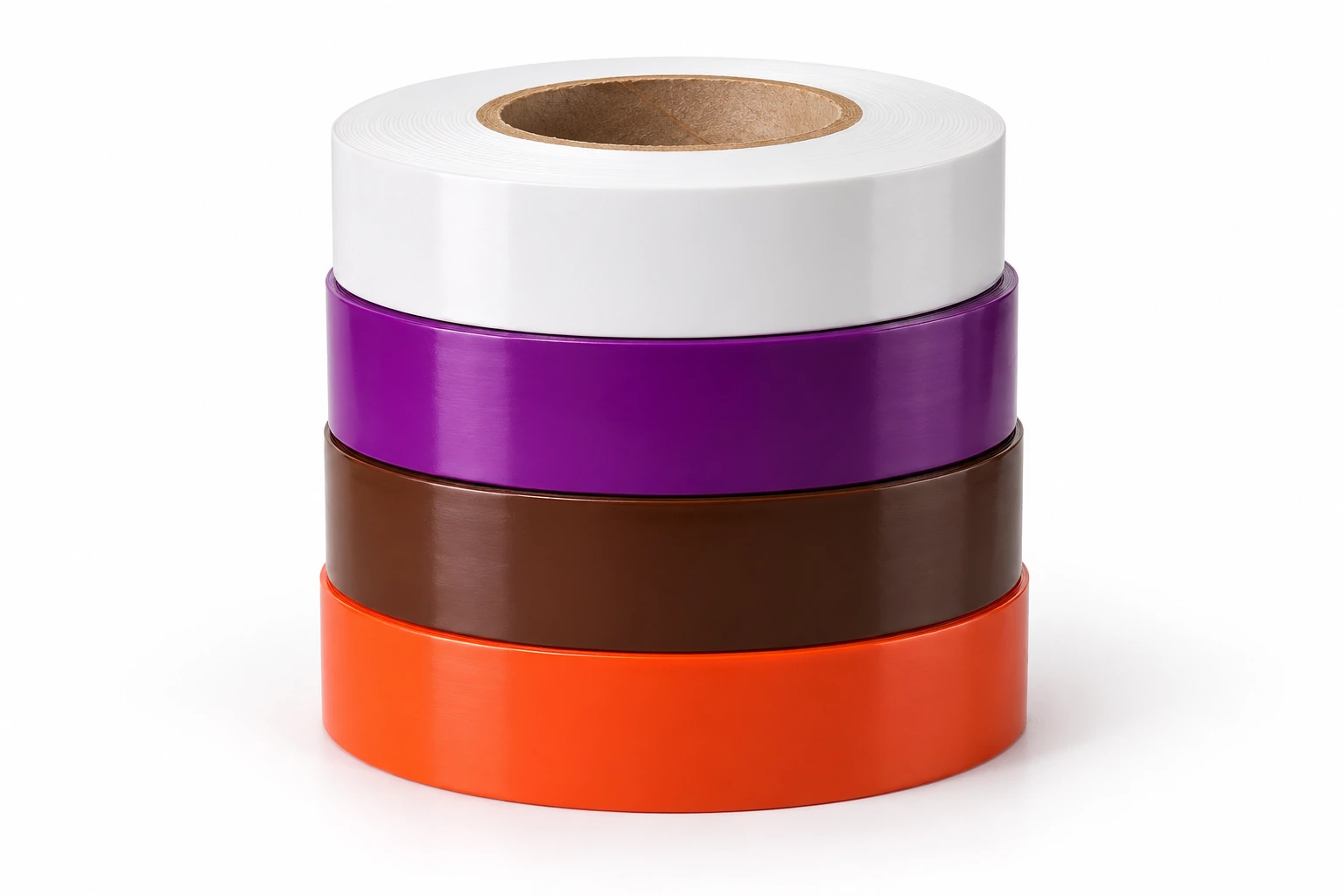
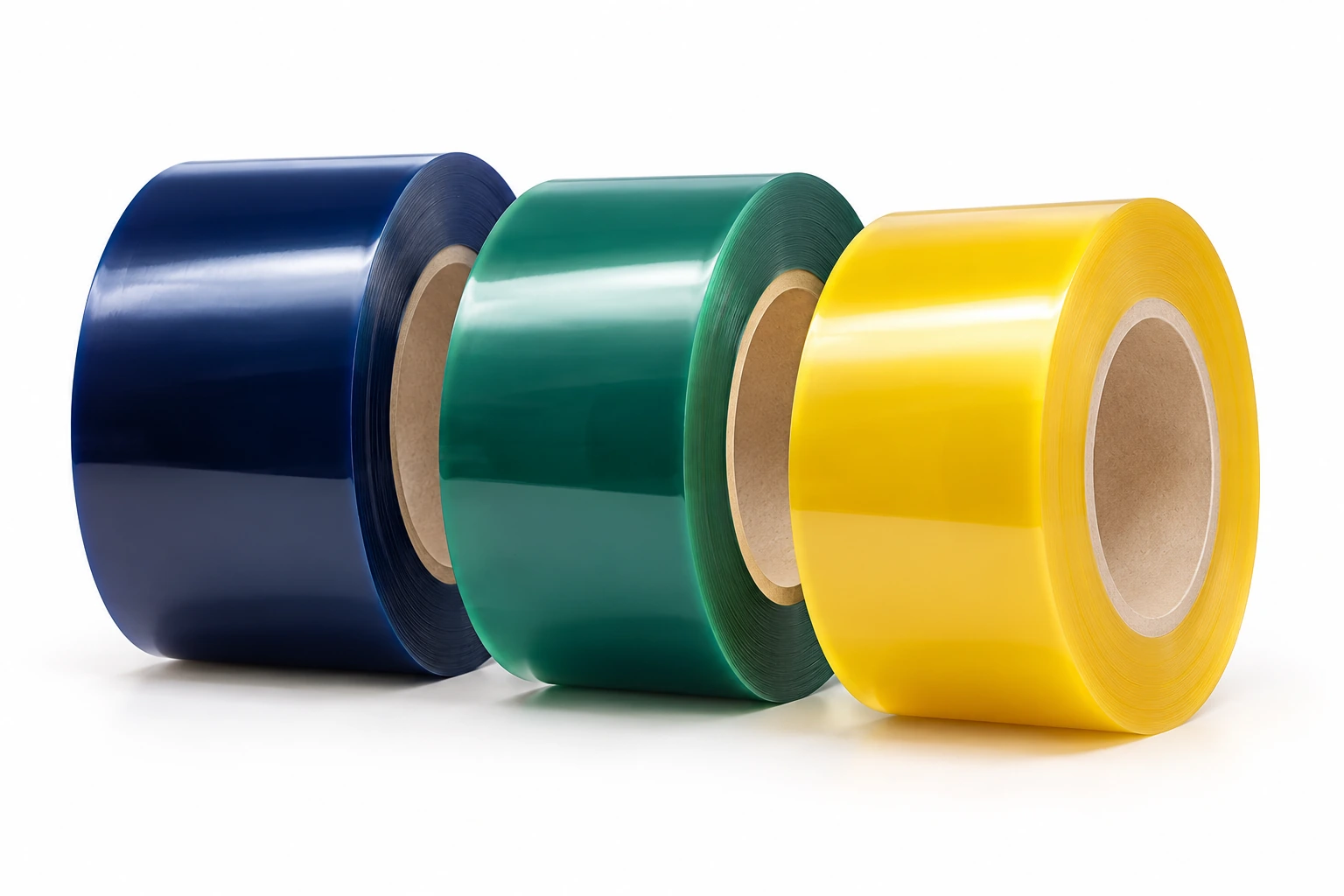
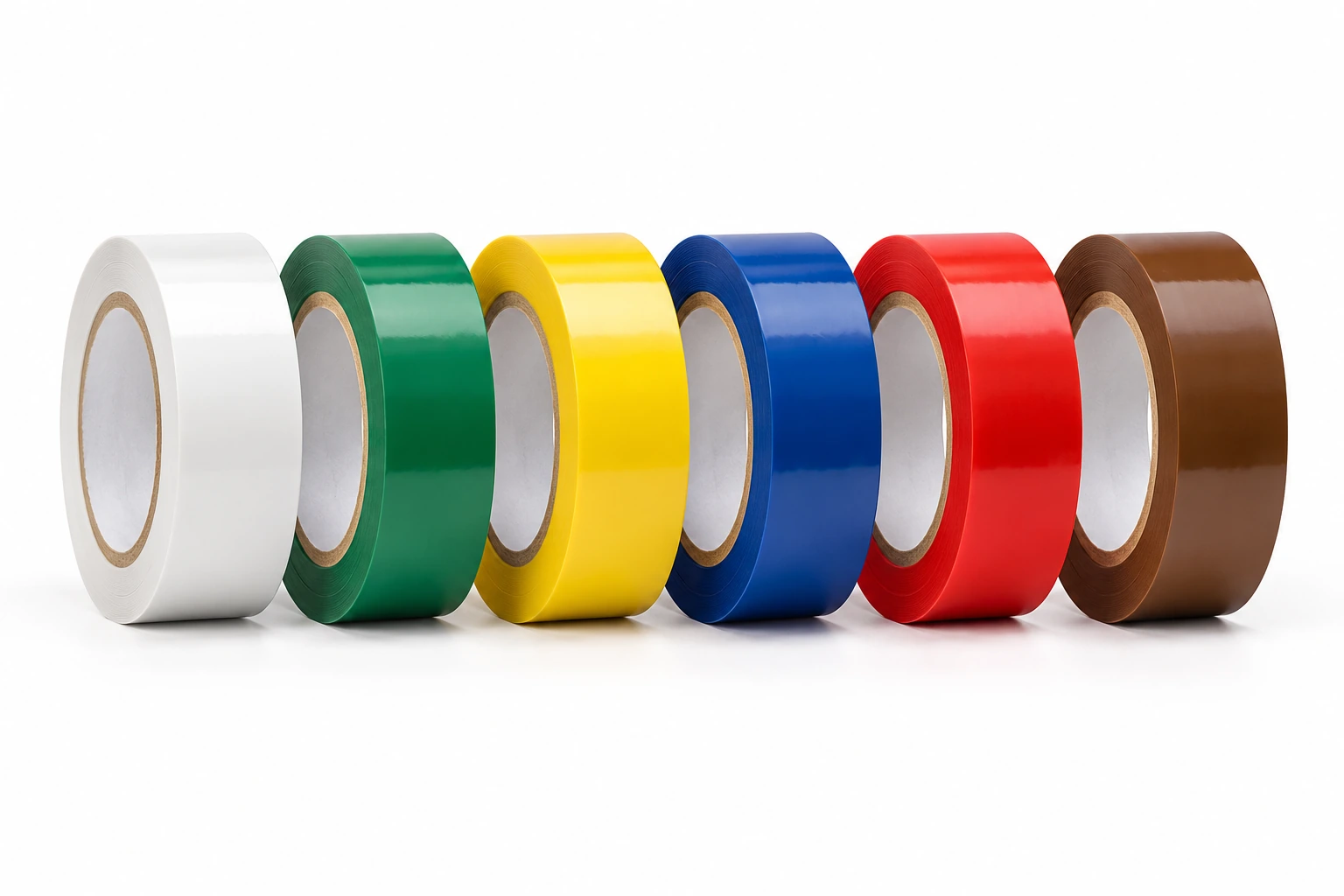
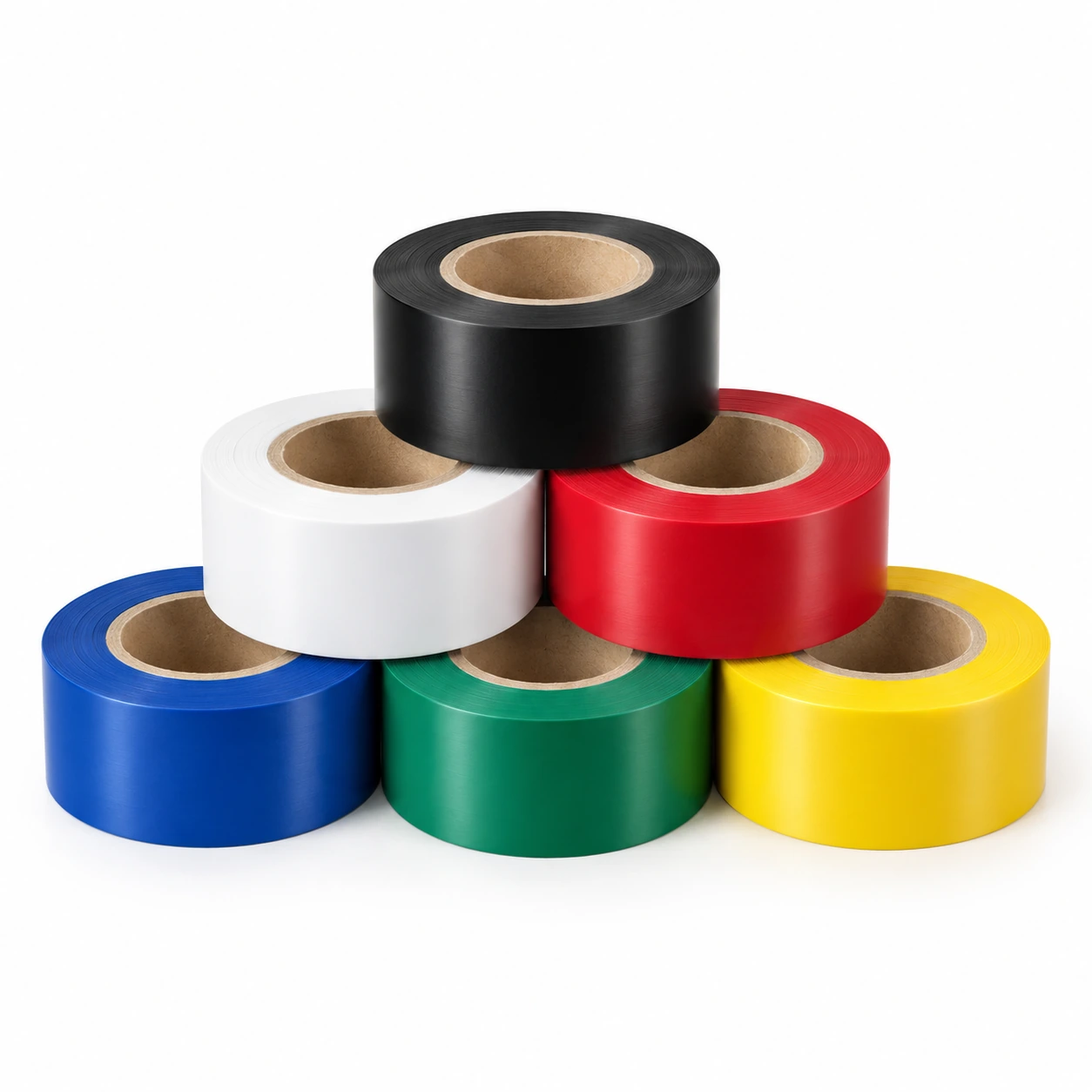
Q7: What do the different colors mean?
While black is standard for insulation, colors are used for circuit phasing and identification to enhance safety and organization.
Black: General insulation. UV resistant.
Red, Blue, Yellow, Orange: Often used for “hot” or phase wires in AC circuits.
Brown, Orange, Yellow: Common phase colors in IEC standards.
Green or Green/Yellow: Designates the ground wire.
White, Grey: Typically used for the neutral wire.
Q8: How can I identify a high-quality electrical tape?
Look for these characteristics of TONFUL quality:
Consistent Thickness: No thin spots or gaps in the backing.
High Conformability: Stretches easily without breaking and conforms to irregular shapes.
Aggressive, Clean Adhesion: Sticks firmly without oozing adhesive or leaving a heavy residue upon removal.
Material Memory: After stretching, it wants to retract to form a tight seal.
Certifications: Complies with relevant international standards (e.g., UL, CSA, ROHS, REACH).
Q9: Have More Technical Questions?
Contact the TONFUL Electric experts today. We’re here to provide solutions for your specific application needs.