
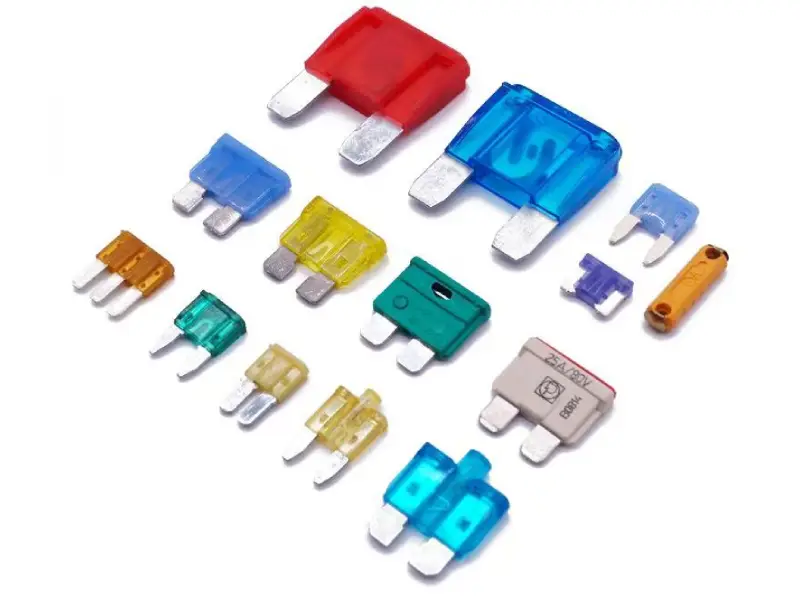
Auto fuse

Blade Fuses Manufacturer

for Automotive OEM & Wholesale

Source automotive blade fuses from TONFUL Electric for vehicle wiring projects, replacement parts distribution and wholesale supply. Explore Mini, Standard, Maxi and Micro families, with separate options for nylon housings, indicator designs and ATO 80V blade fuses.

Start with your required fuse footprint, current rating and circuit voltage. Send a part number, drawing or sample reference so we can discuss the relevant series, available documentation, packaging and quotation. For OEM sourcing, confirm the proposed model against your application before placing a production order.

Find the Right Series. Confirm the Exact Model.

Product ratings and approvals apply to specific part numbers. Request the drawing, electrical data and any required compliance documents for the fuse you intend to buy. A company certificate or a logo alone does not establish approval for every fuse in the range.

Automotive Blade Fuse Product Range

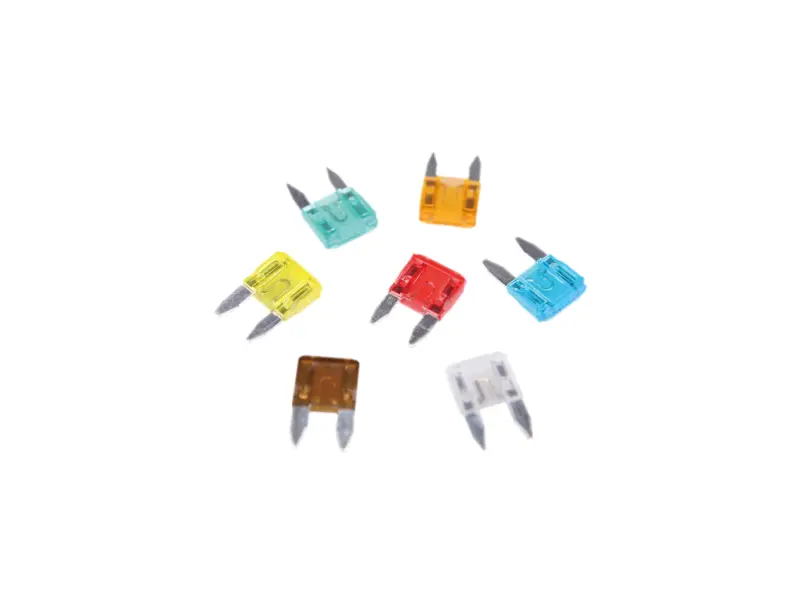
TONFUL Mini Blade Fuses

Mini Blade Fuses

Compact Mini family. Open the series page to compare options and send your required ratings.

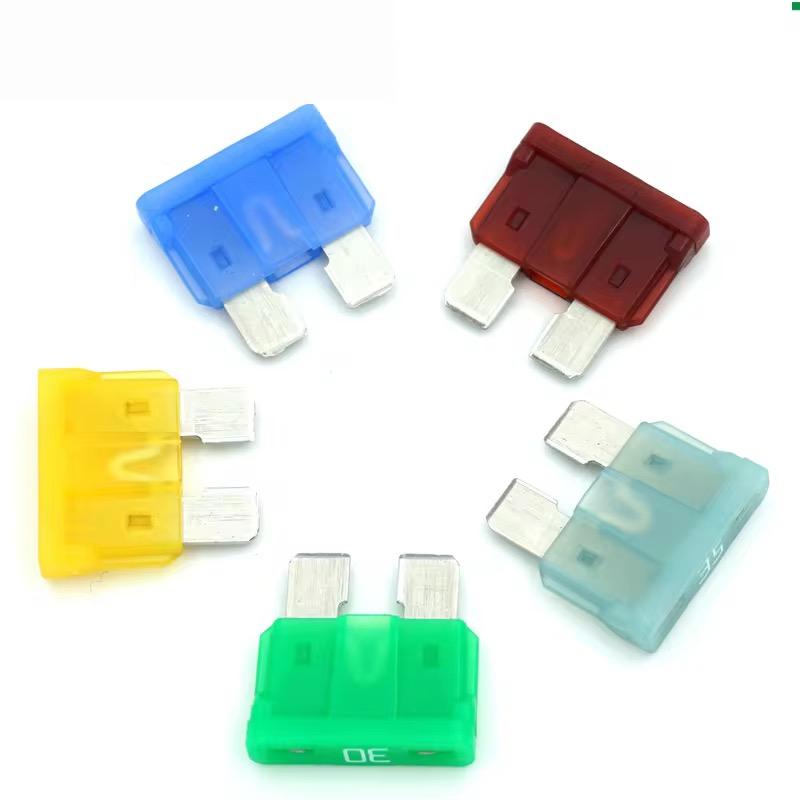
TONFUL Standard Blade Fuses

Standard Blade Fuses

Standard blade family listed in our 32V product range. Confirm dimensions and the selected part number.
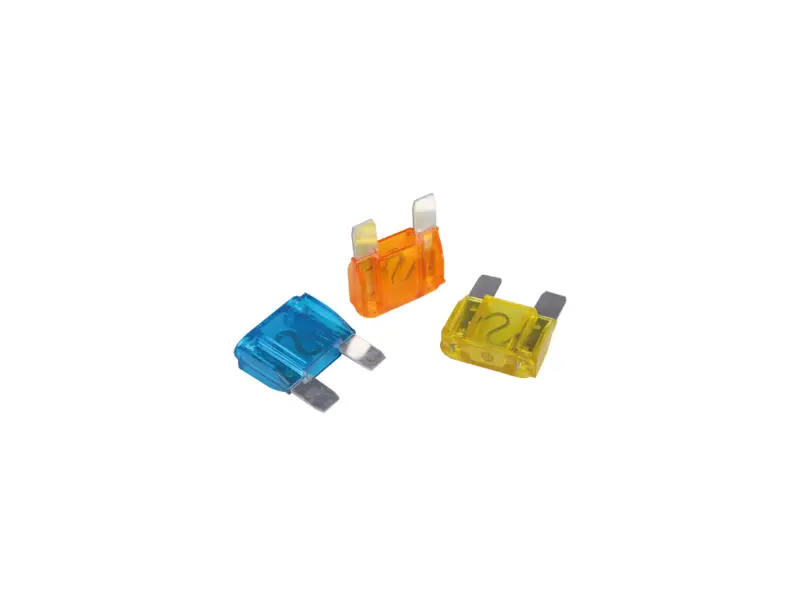
TONFUL Maxi Blade Fuses

Maxi Blade Fuses

Larger blade format. Check the model’s current rating and operating characteristics before selection.

TONFUL Micro Blade Fuses

Micro Blade Fuses

Micro family with 32V and 58V variants listed. Specify the exact footprint and voltage version.
TONFUL Nylon Blade Fuses

Nylon Blade Fuses

Nylon housing series. Request the drawing and material details for your proposed model.
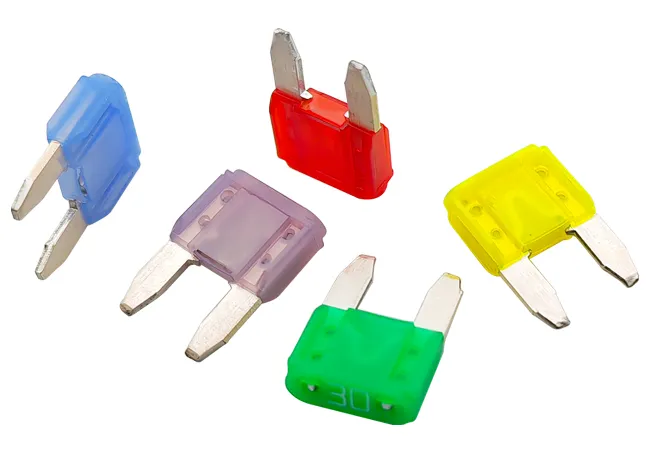
TONFUL Mini Nylon Blade Fuses

Mini Nylon Blade Fuses

Mini nylon housing options for sourcing enquiries. Confirm holder fit and required markings.

TONFUL Blade Fuses with Light

Blade Fuses with Light

32V blade fuses with a built-in light indicator. Confirm LED operating conditions and holder fit for the selected model.
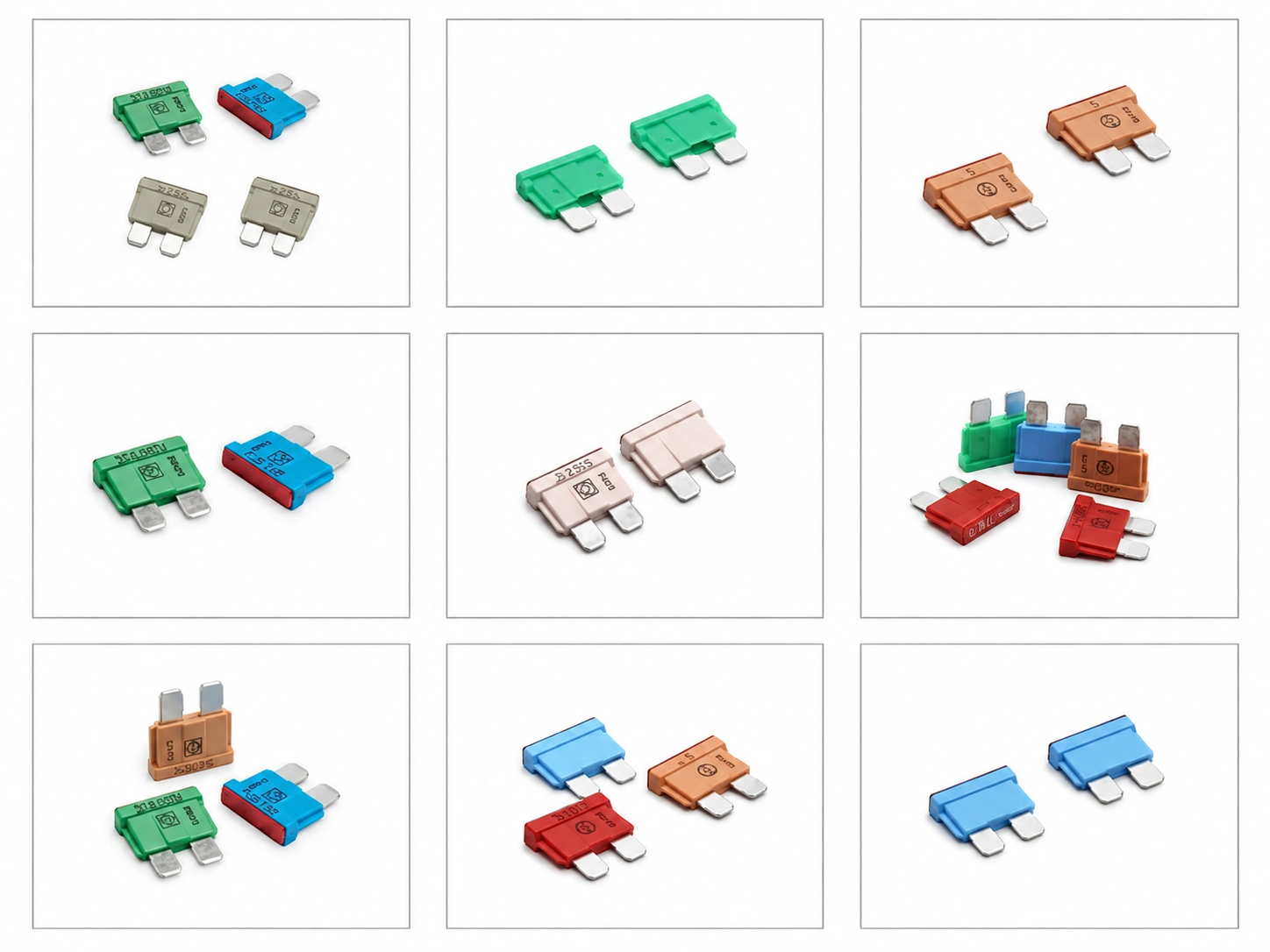
ATO 80V blade fuse image-01 high-definition image, brand and website removed

ATO 80V Blade Fuses

Separate 80V series. Review the exact model’s DC voltage and breaking capacity documentation.
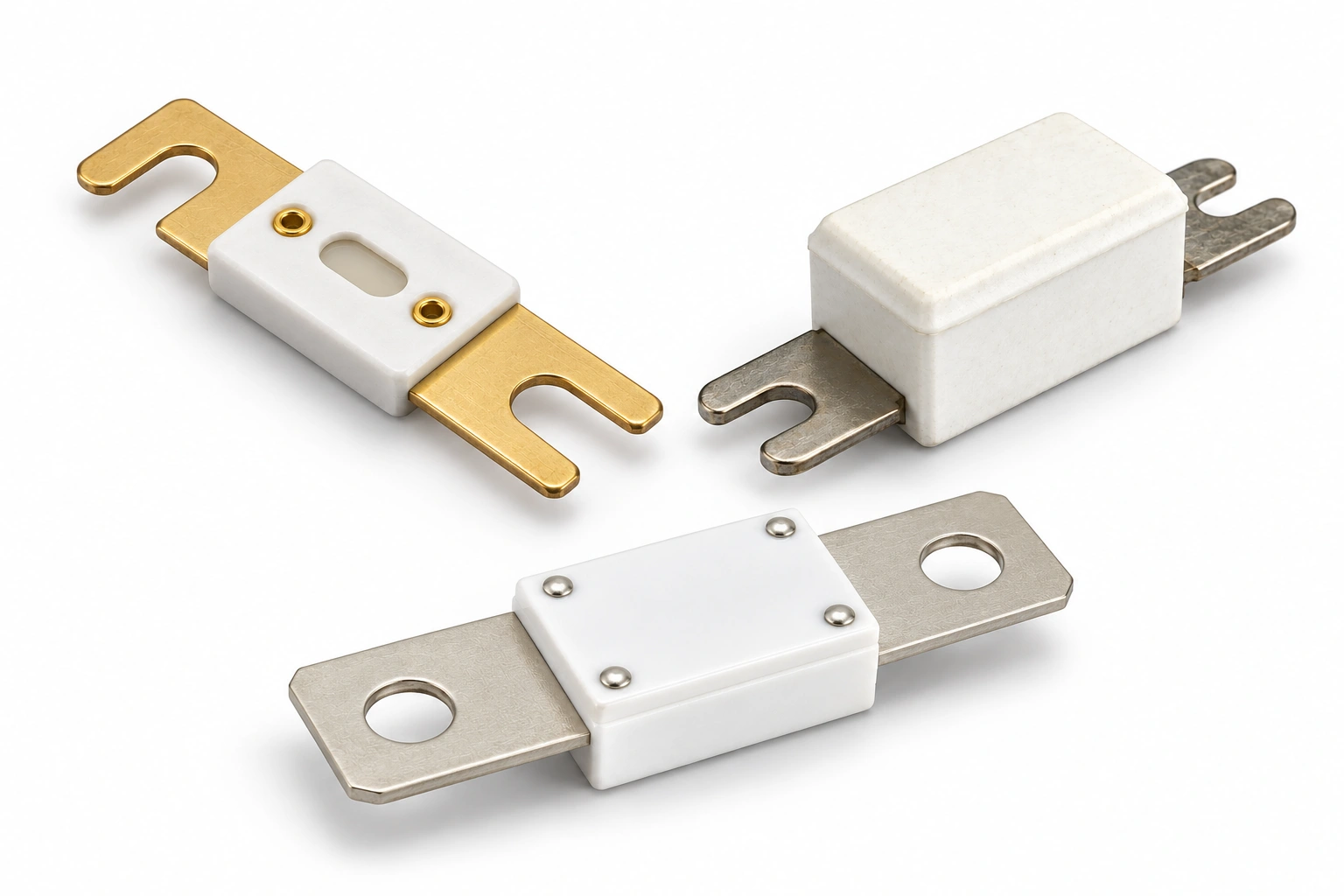
ADL-C, ADL-H and ADL-S ceramic bolt-down fuse collection

Ceramic Fuse

Explore ADL-C, ADL-H and ADL-S ceramic fuse series. Compare dimensions, terminal styles and model-specific electrical ratings.

Related Automotive Circuit Protection

Looking for a different protection device? Explore ceramic fuses or automotive blade circuit breakers. These are separate product categories. Share your existing part reference if you need a fuse link, bolt-down fuse or holder instead.

Automotive Blade Fuse Applications

Explore three sourcing scenarios for automotive blade fuses, then share the circuit and assembly requirements for your enquiry.

Illustrative automotive blade fuse scene: Passenger Cars & Light Vehicles

Passenger Cars & Light Vehicles

Source blade fuses for vehicle fuse boxes and low-voltage accessory circuits, including lighting and in-cabin electrical equipment. Share the vehicle platform, fuse footprint, circuit current and system voltage with TONFUL to narrow the product selection.
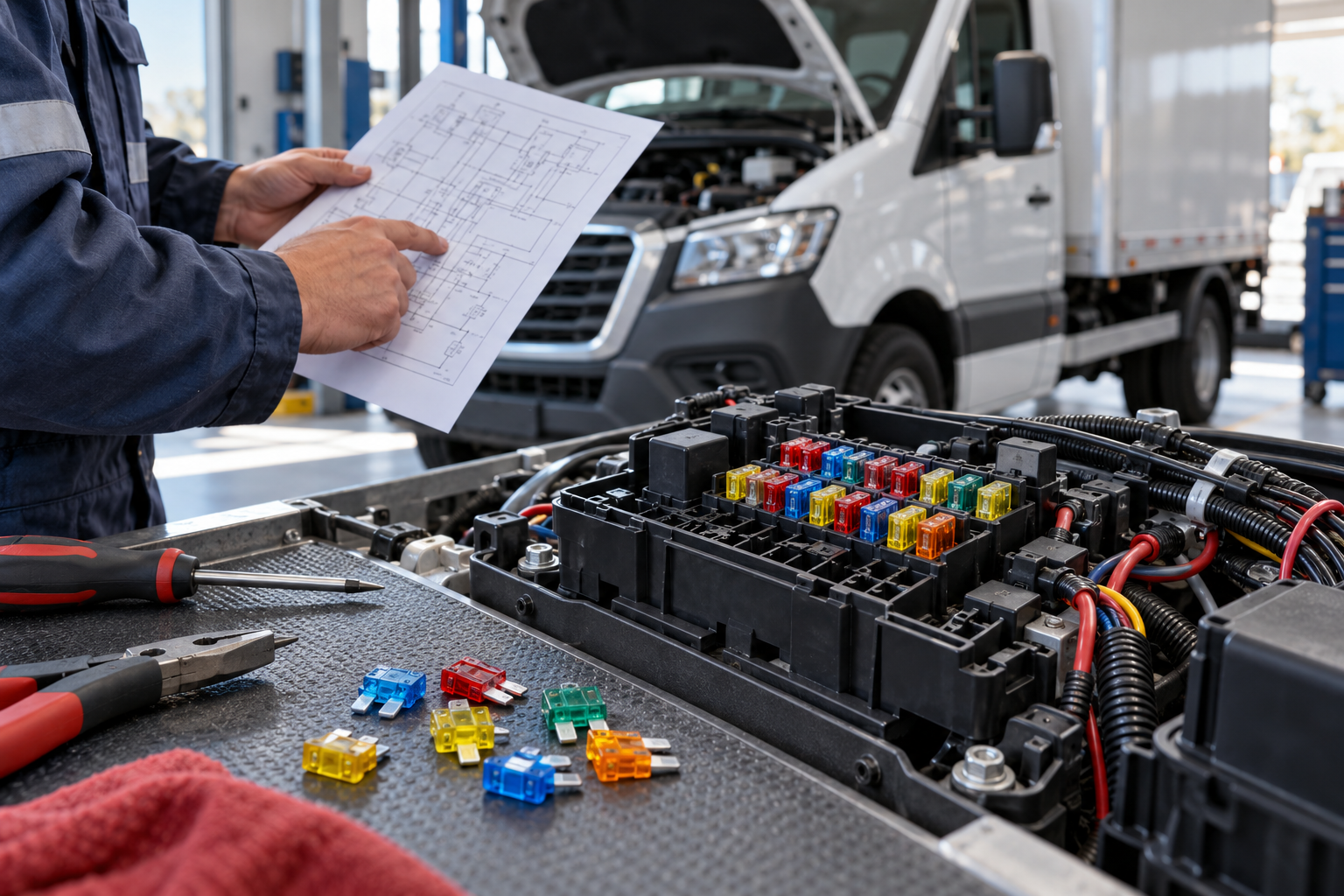
Illustrative automotive blade fuse scene: Commercial Vehicle Auxiliary Circuits

Commercial Vehicle Auxiliary Circuits

Discuss blade fuse requirements for auxiliary lighting, cab equipment and control circuits in commercial vehicles. Match the fuse format to the holder and review current rating, voltage rating and operating conditions against the circuit design.
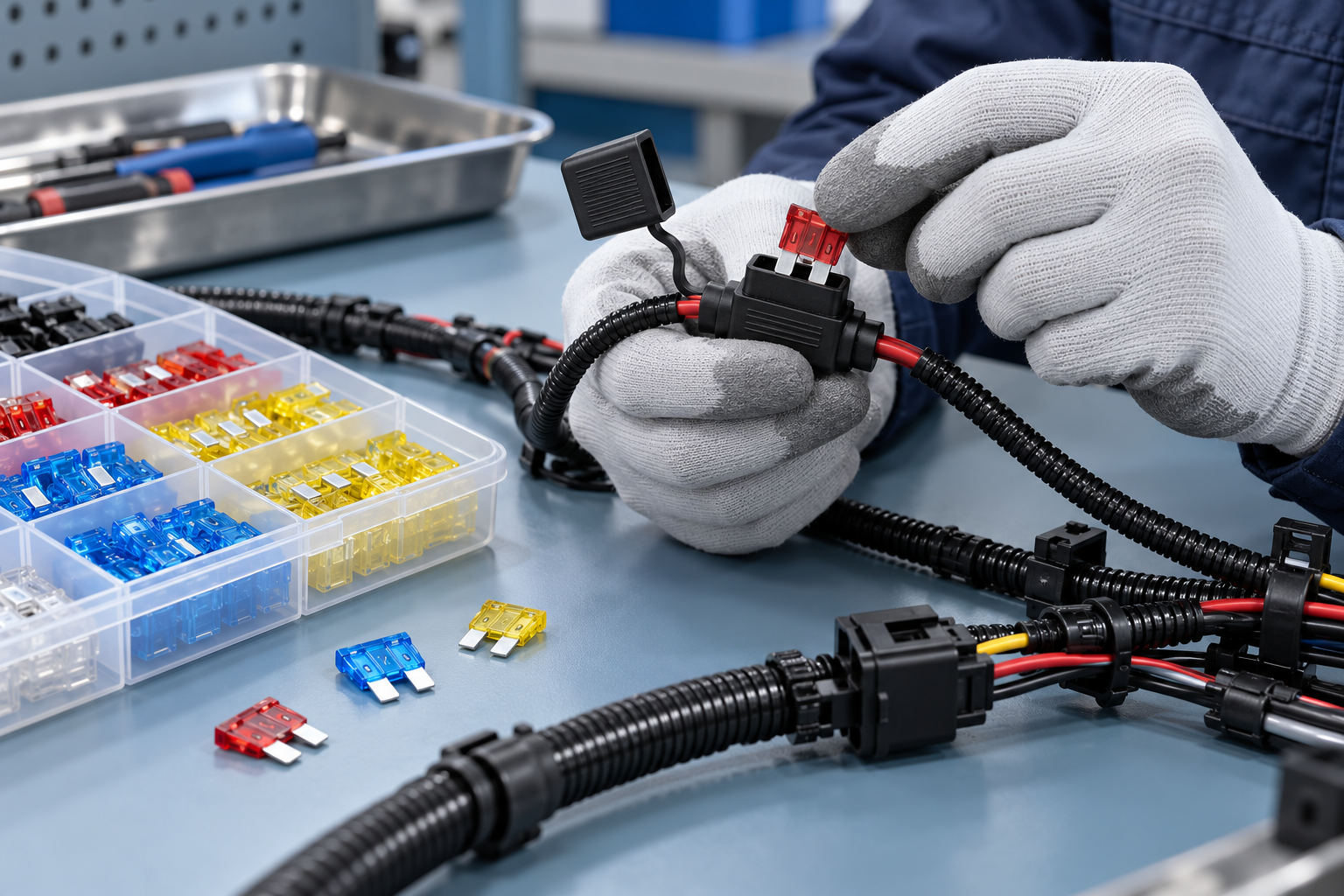
Illustrative automotive blade fuse scene: Automotive Wiring Harness Assembly

Automotive Wiring Harness Assembly

Plan blade fuse sourcing alongside the fuse holder and wiring harness. Provide terminal spacing, available installation space, circuit requirements and assembly quantity so TONFUL can help organise samples and product information for your evaluation.

Blade Fuse Specifications to Confirm Before Ordering

Use this checklist to compare candidate models. Electrical ratings vary by series and part number; this page does not assign one universal specification to all TONFUL blade fuses.

Information for model selection and purchasing approval
Selection itemWhat to confirm
Footprint and terminalsCompare the housing dimensions, blade spacing, terminal thickness and insertion depth with your fuse holder or drawing. A similar appearance does not establish interchangeability.
Rated currentSpecify the required amperage and loading conditions. Check conductor protection, continuous load, start-up current and ambient temperature against the model’s data.
Rated DC voltageChoose a rating appropriate to the maximum circuit voltage. Our linked catalog includes 32V series, Micro variants listed at 32V/58V and a separate ATO 80V series; verify the chosen version.
Breaking capacityRequest the interrupting rating at the relevant DC voltage. It must be assessed against the prospective fault current at the fuse location.
Time–current behaviourRequest the curve or specified opening-time limits. Evaluate overload response and temporary inrush using model-specific data.
Materials and temperatureConfirm housing material, terminal finish, operating temperature and any required flammability classification for the selected part.
Standards and complianceState your required standard, test report or declaration. Check document scope, model identification and validity before approval.
Order and packagingProvide quantities by rating, sample needs, packaging format, labelling requirements and destination. MOQ, lead time and commercial terms are confirmed in the quotation.

Plan Your Blade Fuse Sourcing with TONFUL

Compare Product Families

Review Mini, Standard, Maxi and Micro options from one category page. Use the product links to narrow the shortlist, then identify the exact part number for your holder and electrical requirements. Keeping the series and ratings explicit makes sample requests and purchasing comparisons easier.

Specify Materials and Markings

Tell us which housing material, terminal finish and rating marks your purchasing specification requires. Ask for the matching model documentation instead of assuming that every product shares the same material or temperature range. Include any customer drawing notes that affect acceptance.

Review OEM References Carefully

Send your existing manufacturer part number, drawing revision or reference sample when discussing an alternative. Compare dimensions, voltage, current, breaking capacity and opening characteristics before approval. A visual match or a matching amperage is only a starting point for a substitution review.

Discuss Branding and Packaging

Include bulk supply, assortment or retail packaging preferences in your enquiry. If you require private labels, artwork or a particular mix of ratings, send the details with the quantities. Availability, tooling needs and production requirements can then be discussed for the proposed order.

Request Relevant Documentation

List the drawings, test data and compliance documents your approval process needs. Check that the supplied evidence refers to the selected fuse and the relevant test conditions. Keep engineering approval separate from a general supplier assessment, especially when sourcing a replacement for an existing design.

Confirm the Supply Plan

Share the first order quantity, expected repeat demand, destination and required delivery date. Ask for a written quotation covering MOQ, lead time, sample terms, packaging and shipping arrangements. This gives purchasing teams a clear basis for comparing the proposed supply with their project schedule.

How to Select an Automotive Blade Fuse

1. Identify the Fuse Footprint

Begin with the holder or approved drawing. Confirm the family and terminal geometry before choosing an amperage. Mini, Standard, Micro and Maxi formats have different dimensions. For replacements, use the equipment manufacturer’s specified fuse type and rating.

2. Review the Electrical Load

Record continuous current, temporary inrush and the wiring to be protected. Check the selected model’s time–current data and temperature guidance against those conditions. Fuse choice requires more than matching a single load-current number.

3. Check Voltage and Fault Current

Assess the maximum circuit voltage and prospective short-circuit current. Verify the fuse’s DC voltage and interrupting ratings under applicable conditions. An 80V catalog listing is not approval for a higher-voltage EV traction circuit.

4. Compare Opening Characteristics

Use the specified opening-time limits or curve to evaluate overload protection and inrush tolerance. The rated current is not an instant trip threshold. Do not assume identical behaviour across fuse families or brands.

5. Evaluate the Fuse and Holder Together

Check holder suitability, contact condition, enclosure temperature and installation requirements. Poor contacts can introduce heat even when the fuse itself has an appropriate rating. Validate the assembly under the intended operating conditions.

6. Approve the Model Before Production

Use samples and relevant documentation to complete your application review. Record the approved part number, drawing revision and acceptance criteria for repeat orders. If you propose a substitute, obtain the necessary engineering approval before deployment.

For general background on voltage rating, interrupting rating and time–current selection, see the Littelfuse Fuseology Selection Guide. It is a reference for selection principles; its product ratings do not describe TONFUL models.

Request Samples for Evaluation

Tell us which series and amperages you want to evaluate, your reference part and your delivery destination. Sample availability, charges and shipping terms will be confirmed before dispatch. Use the samples to check holder fit, markings and the requirements of your approval process.

From Enquiry to an Approved Supply Specification

Share Your Application

Send the fuse location, circuit requirements and existing reference if available. Include the voltage, continuous load, inrush, expected fault current and environmental conditions relevant to your project. These details help frame the model review.

Review the Proposed Series

Compare the proposed product with your drawing and required ratings. Ask for the documentation needed by your engineering and quality teams. Resolve differences before agreeing on a sample or production specification.

Evaluate Samples

Assess the samples in the intended holder and operating environment using your approved validation procedure. Document the acceptance criteria and any packaging or marking changes required before placing the production order.

Confirm Order Details

Agree the model, quantity by rating, packaging, lead time and shipping terms in writing. Include your delivery address and any inspection requirements. Keep the approved specification available for subsequent orders.

Blade Fuse Workshop & Packaging

Illustrative automotive blade fuse scene: Production & Inspection Workflow

Production & Inspection Workflow

Clear specifications help connect purchasing requirements with production and inspection. Discuss fuse dimensions, current-rating identification, housing colour, terminal finish and required test documentation with TONFUL before approving samples and a bulk order.

Illustrative automotive blade fuse scene: Packaging for Wholesale & Assembly

Packaging for Wholesale & Assembly

Discuss bulk bags, organised assortment boxes or order-specific packaging for your distribution and assembly needs. Specify the fuse models, ratings, pack quantities, labelling and carton requirements in your enquiry so the quotation reflects how you plan to handle and supply the products.

Illustrative workshop and packaging scenes.

Blade Fuse Purchasing FAQs

These answers address common sourcing and model-selection questions. For a quotation or documentation request, include your required series and part reference when contacting TONFUL.

Which blade fuse families can I source from TONFUL?

Our catalog links cover Mini, Standard, Maxi and Micro blade fuses, plus nylon housing and indicator variants. ATO 80V blade fuses have a separate series page. Start with the family your holder requires, then confirm the available amperage and voltage version for the exact part you want to order.

What should I include in a blade fuse quotation request?

Send the family or part number, amperage, DC voltage requirement, dimensions or reference drawing, quantities by rating and delivery destination. Include sample needs, packaging, labelling and required documents. If you are unsure of the series, send a clear photo with dimensions and your existing part reference for discussion.

Are Mini, Micro, Standard and Maxi blade fuses interchangeable?

They are different fuse formats. Matching amperage alone does not establish holder compatibility or equivalent electrical performance. Compare dimensions, terminal geometry, rated voltage, interrupting capacity and time–current behaviour. For equipment replacements, follow the equipment manufacturer’s approved specification rather than choosing a fuse solely by its colour or appearance.

Can you review a replacement for another manufacturer’s fuse?

Send the complete original part number and datasheet or drawing. A candidate alternative needs a comparison of mechanical fit and electrical characteristics, followed by the appropriate application validation. We do not treat a similar shape or current rating as evidence of a guaranteed drop-in replacement. Approve the specific proposed model before use.

How should I choose between 32V, 58V and 80V variants?

Check the maximum voltage in your circuit and the proposed model’s DC voltage rating. Also assess interrupting capacity, opening characteristics and holder compatibility. The catalog’s voltage labels identify separate options; they do not make every option suitable for every vehicle system. Higher-voltage EV traction protection requires a separately validated solution.

Which certificates or test documents should I request?

State the applicable product standard, material declaration and test evidence your project requires. Request documents tied to the selected model, and check their scope and test conditions. A quality-management certificate describes a management system; it is not by itself a product approval or a test report for a specific fuse.

Does a blade fuse open immediately above its rated current?

Opening time depends on the level and duration of overcurrent and the model’s time–current characteristics. Use the curve or specified opening-time limits to evaluate overloads and temporary inrush. Do not interpret the printed amperage as an exact instantaneous trip point or assume that similarly rated fuses behave identically.

Can I request samples, private labels or different packaging?

Include these requirements in your enquiry, along with the selected models and expected quantities. Sample availability, artwork, packaging format and any additional production requirements need confirmation for the proposed order. Ask for the associated charges and shipping terms in writing before proceeding.

What are the MOQ and lead time for wholesale blade fuses?

MOQ and lead time depend on the series, quantity, available stock and any packaging or custom requirements. Send your first order quantities and expected repeat demand for a specific quotation. Confirm delivery timing, commercial terms and the approved model before committing to your purchasing schedule.

Request a Blade Fuse Quote

Send your series, ratings, quantity and part reference.

Contact TONFUL sales or email sales@tonful.com to discuss the product and documentation you need. Include your target delivery date and packaging preferences so the quotation can address your purchasing requirements.

滚动至顶部

Ask For Quote Now