
Automotive Electrical Connectors Manufacturer for OEM & Wholesale

Source automotive connector housings, terminals, seals and connection sets from TONFUL Electric for vehicle harnesses and aftermarket supply. Compare the sixteen product families below, then share your part reference, wire details, installation environment and order quantity.

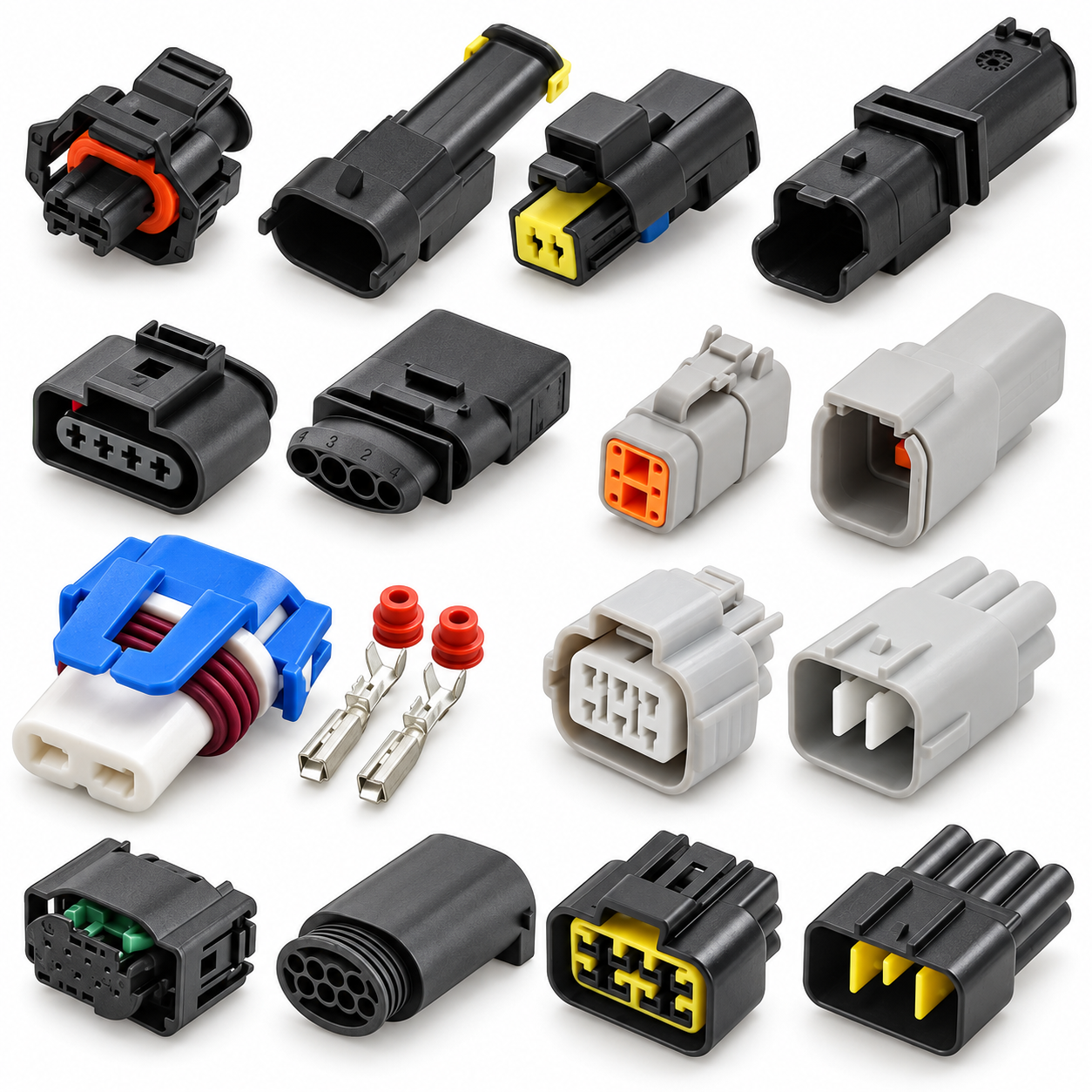
Assortment of black, grey and white automotive connector housings with colored locks, seals and metal contacts

Automotive Electrical Connectors Product Range

Explore sixteen connector families and discuss the exact part you need. Series names help identify the requested interface; dimensions, ratings and mating compatibility must be checked for the selected part. Product images are illustrative.

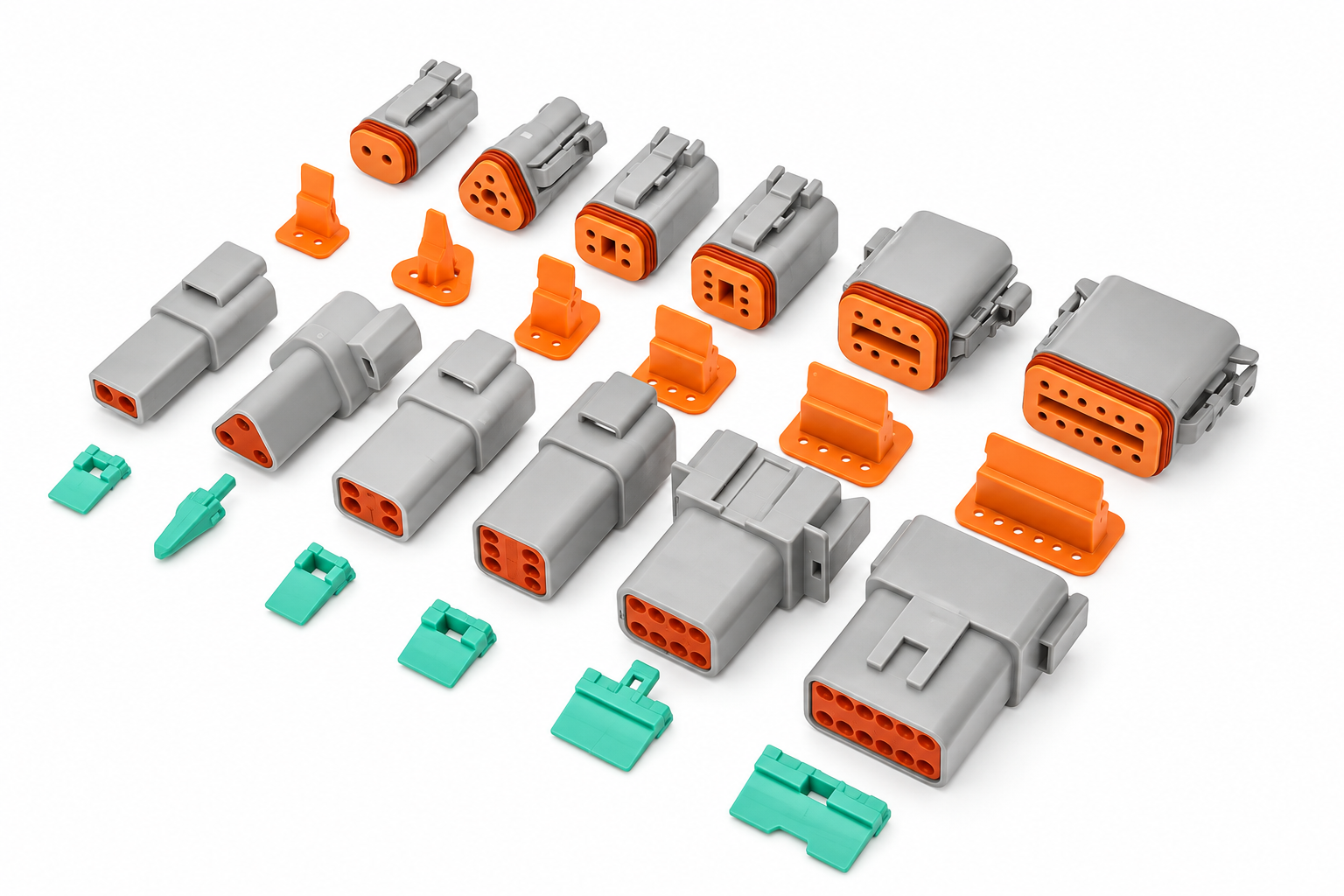
Illustrative Deutsch DT Series automotive connector housing and component arrangement based on the original product image

Deutsch DT Series

Compare the grey housings, mating halves and colored secondary locks shown in this range. Share the required cavity count, housing reference and contact arrangement. Request a matched list of contacts, seals and accessories for your harness.
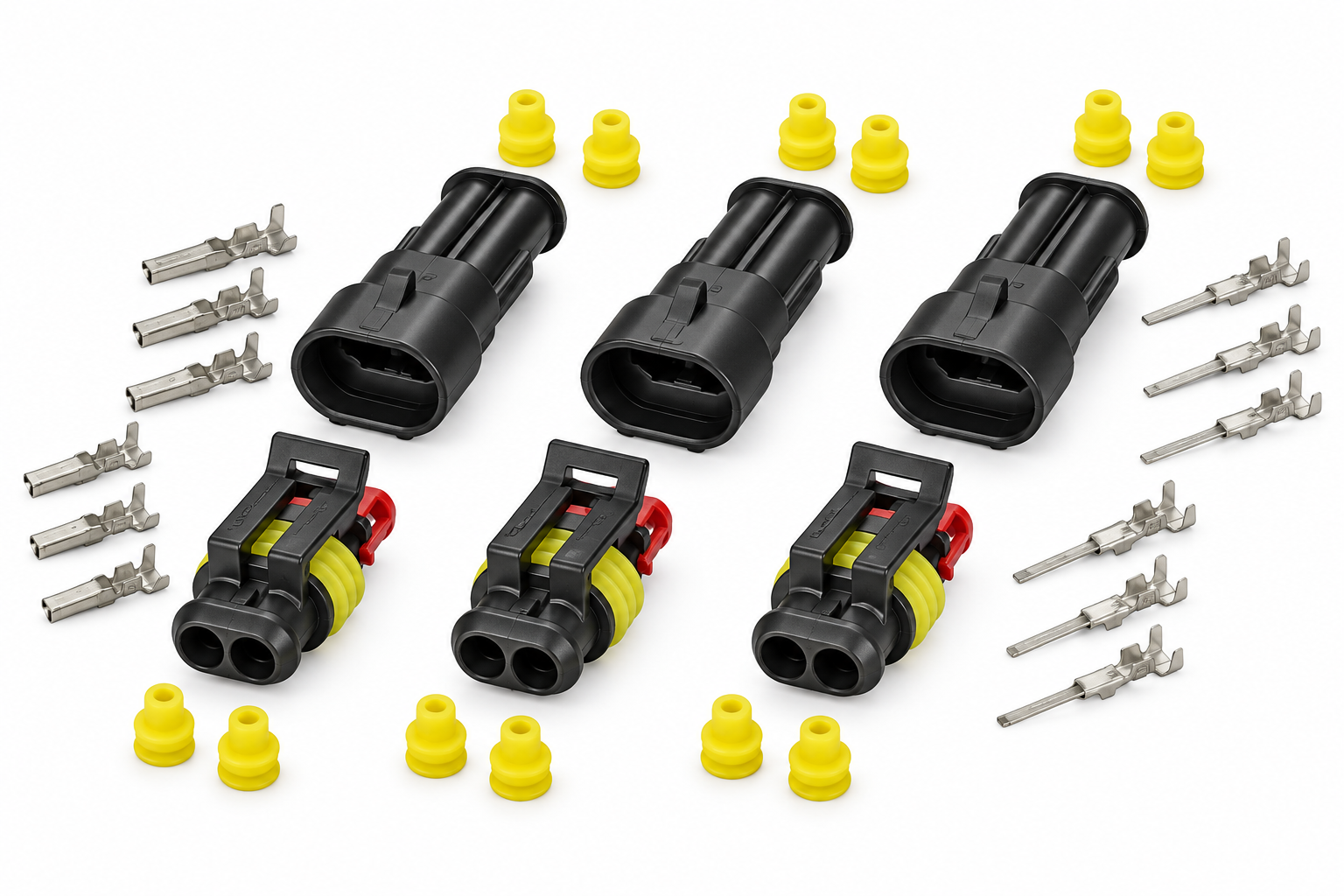
Illustrative TE AMP Superseal Series automotive connector housing and component arrangement based on the original product image

TE AMP Superseal Series

Review the black connector housings, contacts and individual wire seals as a complete connection set. Specify the original part number, wire size and insulation diameter. Confirm which mating half and accessories are included before placing an order.
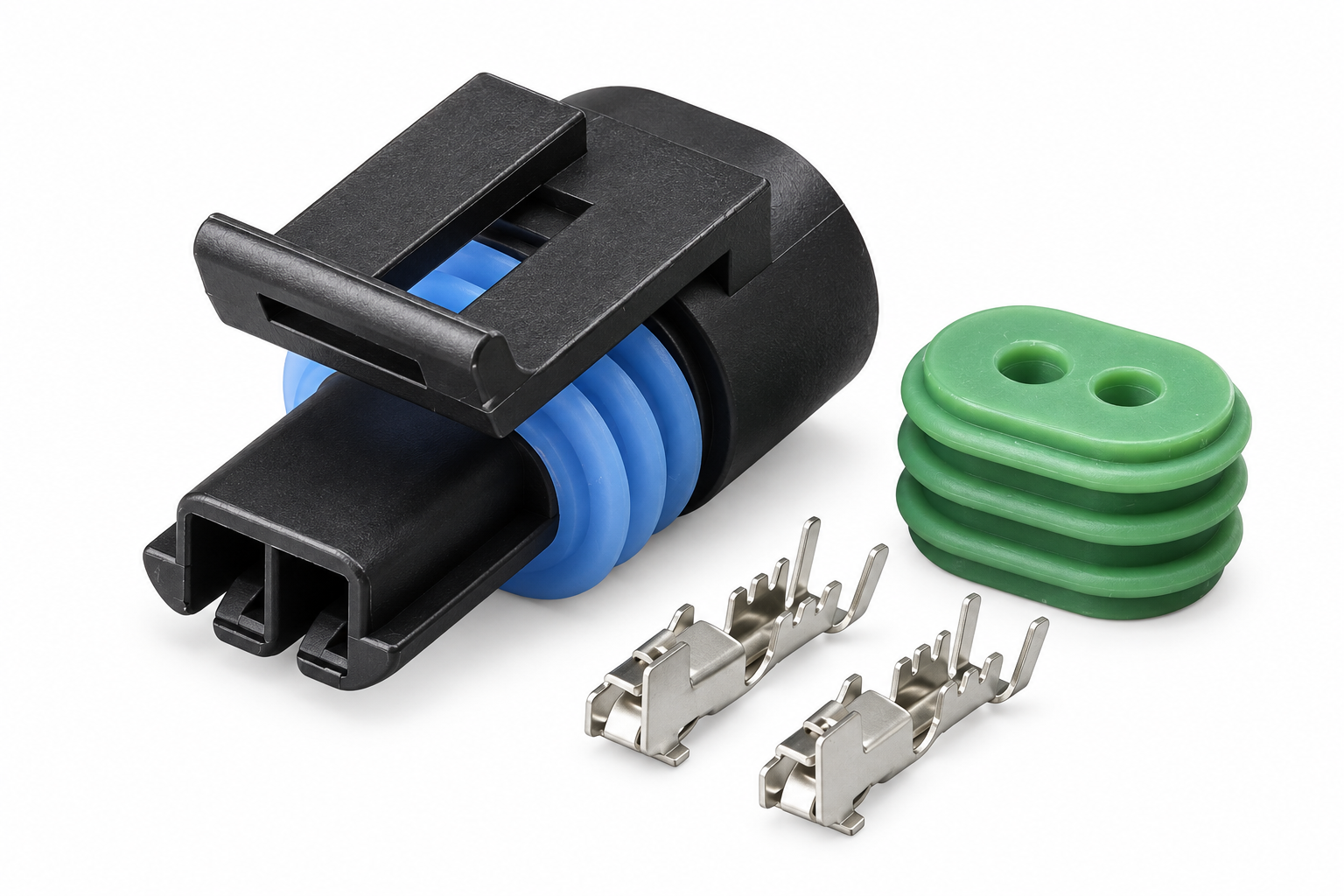
Illustrative Delphi Metri-Pack 150.2 Series automotive connector housing and component arrangement based on the original product image

Delphi Metri-Pack 150.2 Series

Use the housing profile, connector face and seal arrangement to support identification. Provide clear photographs of the original part and its reference number. Match the terminal and wire requirements against the selected drawing rather than appearance alone.
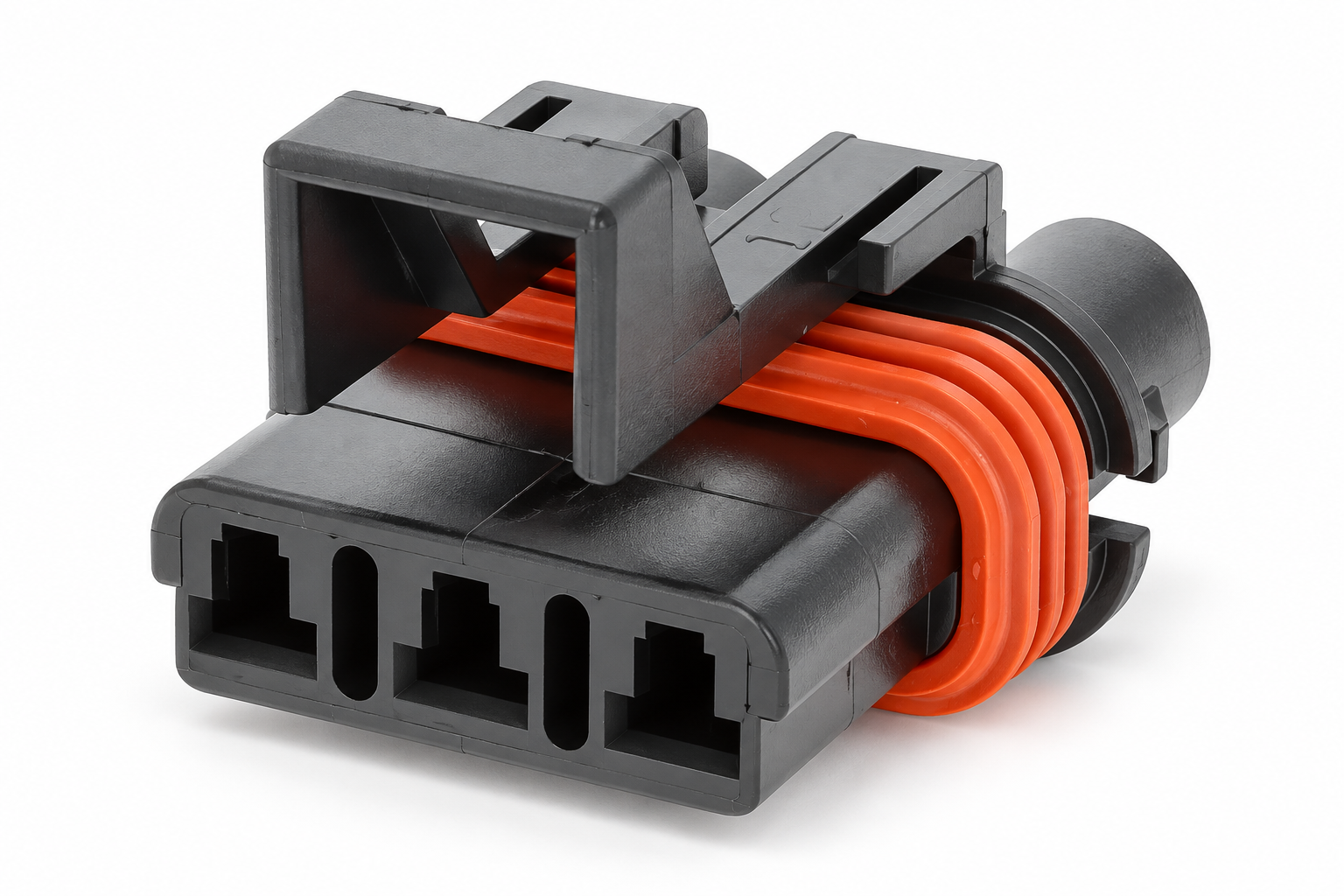
Illustrative Delphi Metri-Pack 280 Series automotive connector housing and component arrangement based on the original product image

Delphi Metri-Pack 280 Series

Discuss the housing with its colored sealing component and latch configuration. Confirm the cavity layout, mating component and terminal specification for your application. Ask for samples when the replacement will enter an existing vehicle harness or assembly process.
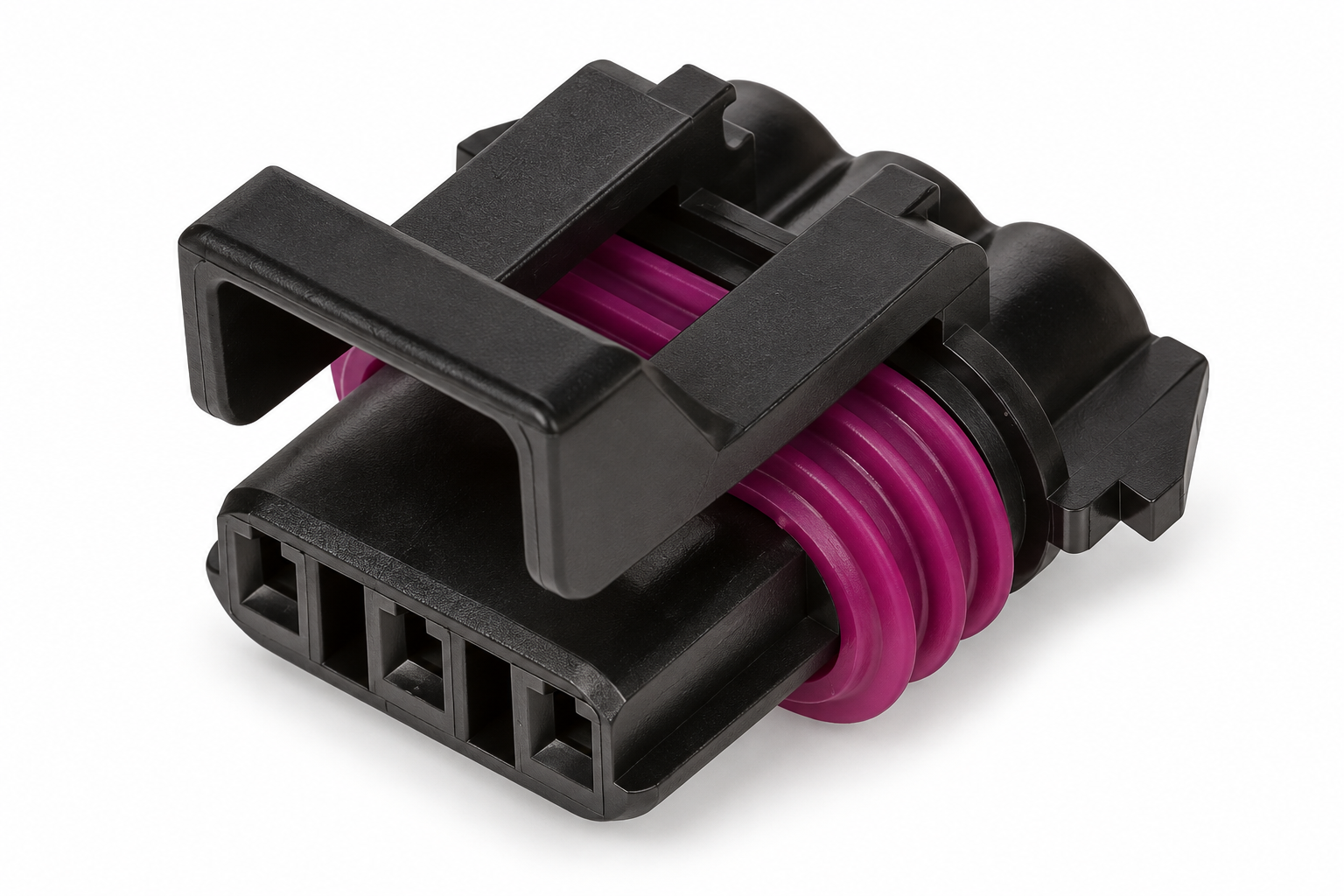
Illustrative Delphi Metri-Pack 150 Series automotive connector housing and component arrangement based on the original product image

Delphi Metri-Pack 150 Series

Compare the molded housing, connector cavities and seal details with your original component. Include the vehicle platform or equipment reference in your enquiry. Check the selected connector together with its terminal, wire seal and mating housing before approval.
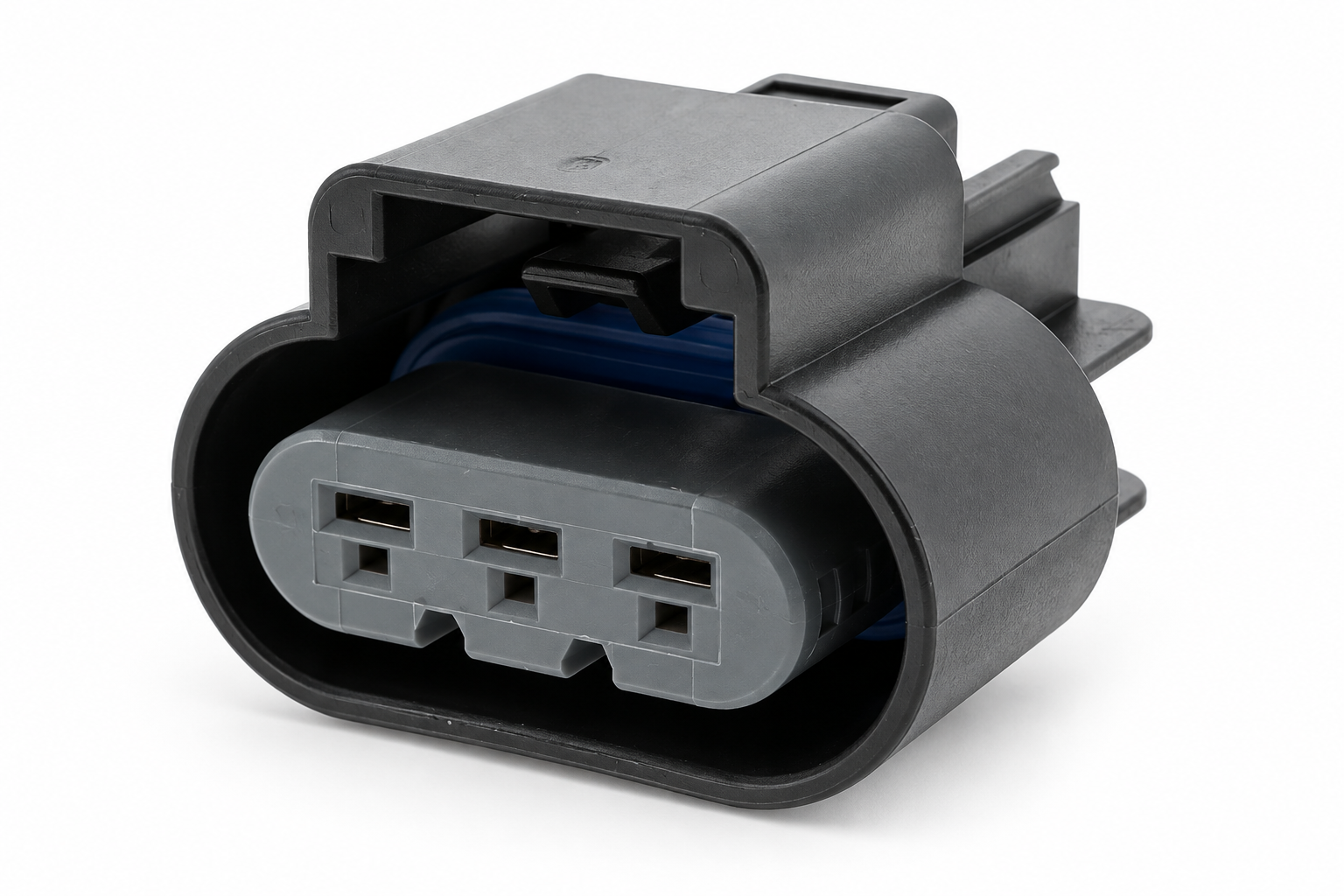
Illustrative Delphi GT 280 Series automotive connector housing and component arrangement based on the original product image

Delphi GT 280 Series

Review the oval connector opening, keyed face and latch shown in the product illustration. Share the exact housing reference and circuit requirements. Confirm the mating part and contact layout to avoid treating visually similar housings as interchangeable.
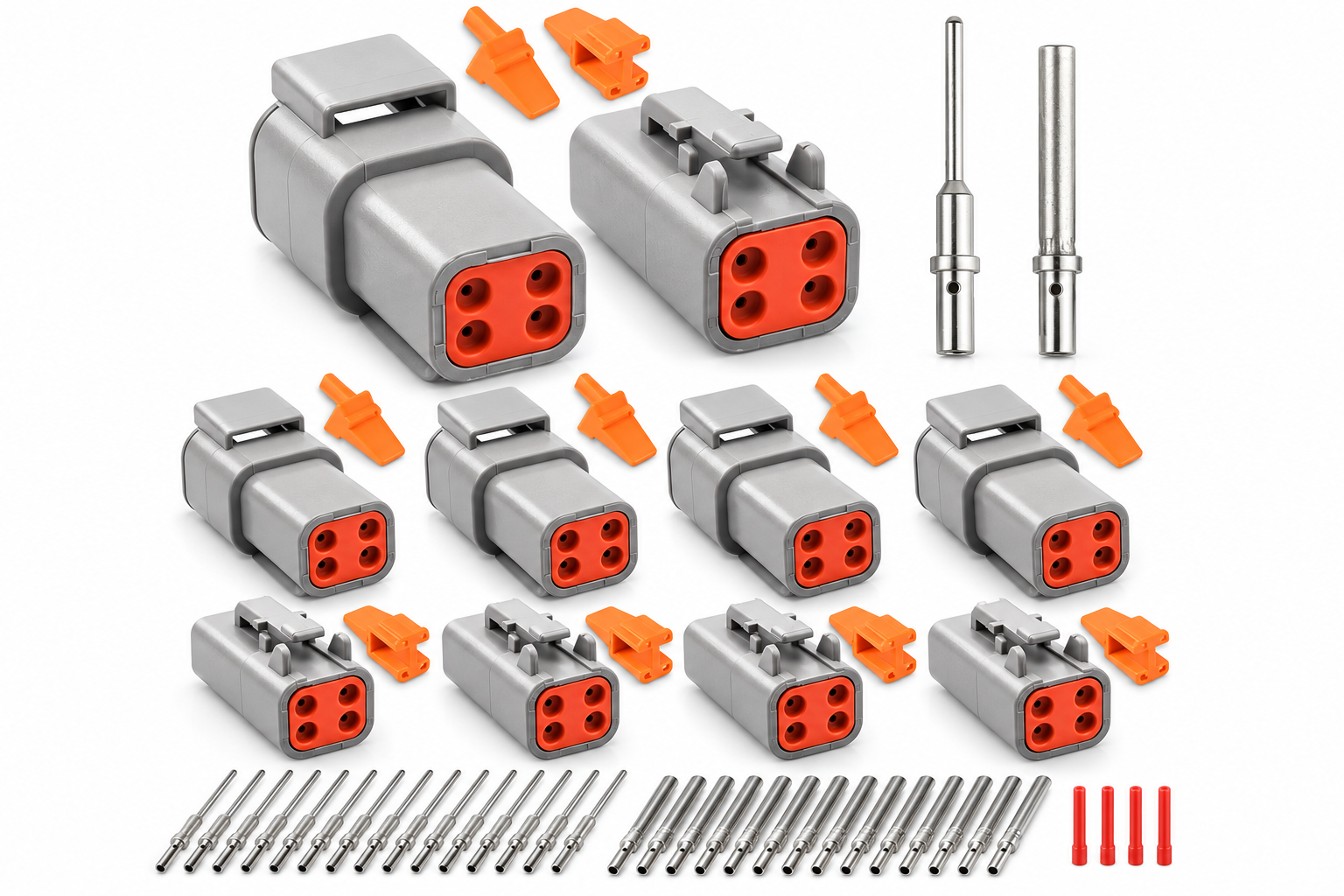
Illustrative Deutsch DTM Series automotive connector housing and component arrangement based on the original product image

Deutsch DTM Series

Enquire about the compact grey housing assortment, colored locks and contact accessories shown here. Specify the required positions and mating arrangement. Use the relevant part drawings to review housing dimensions, terminal selection and the complete connection set.
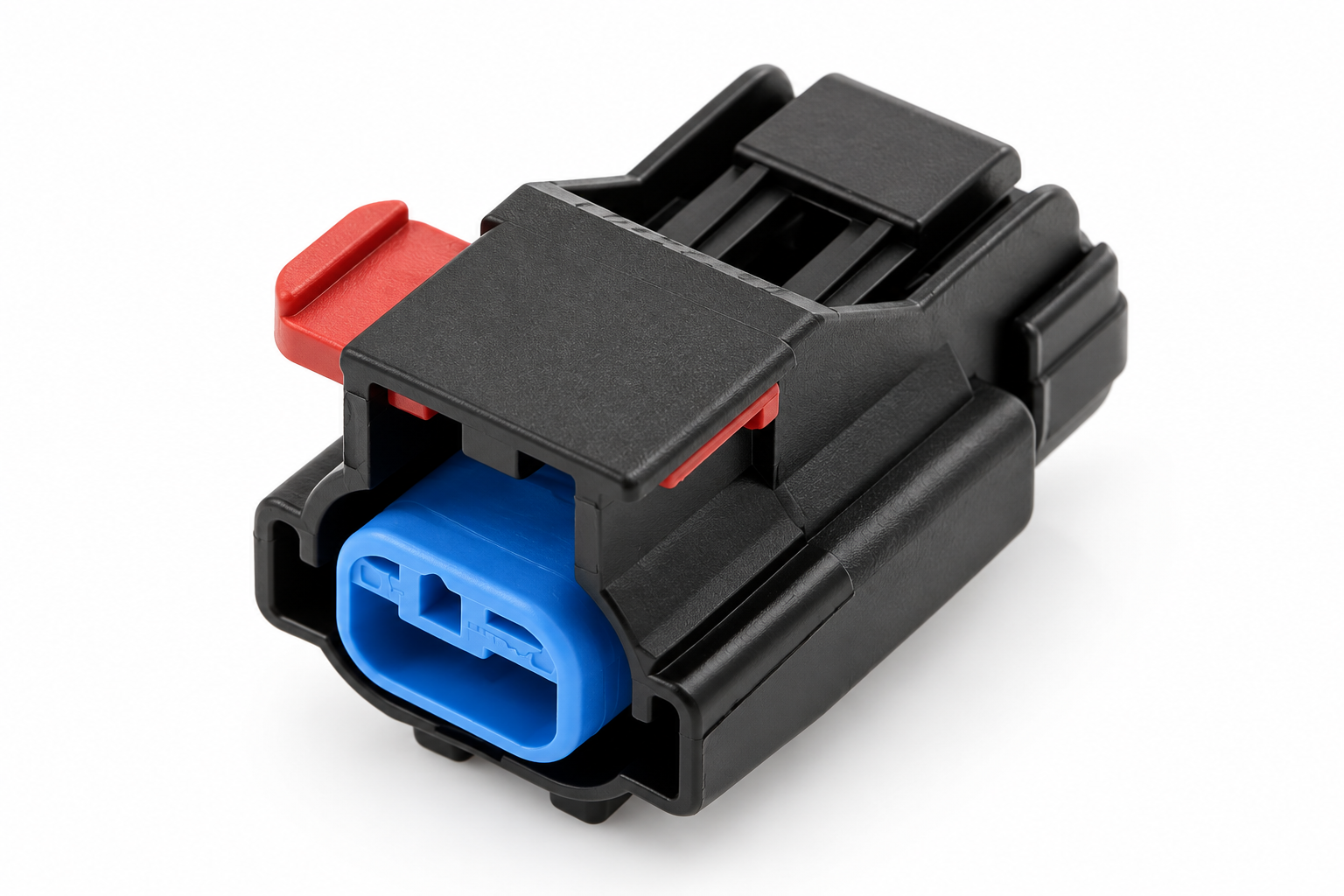
Illustrative Aptiv APEX 2.8 Connector Series automotive connector housing and component arrangement based on the original product image

Aptiv APEX 2.8 Connector Series

Compare the housing with its colored insert and locking features against your sample. Supply the connector reference, required circuits and wiring details. Review cavity layout and accessory requirements with TONFUL when preparing an OEM or aftermarket sourcing enquiry.
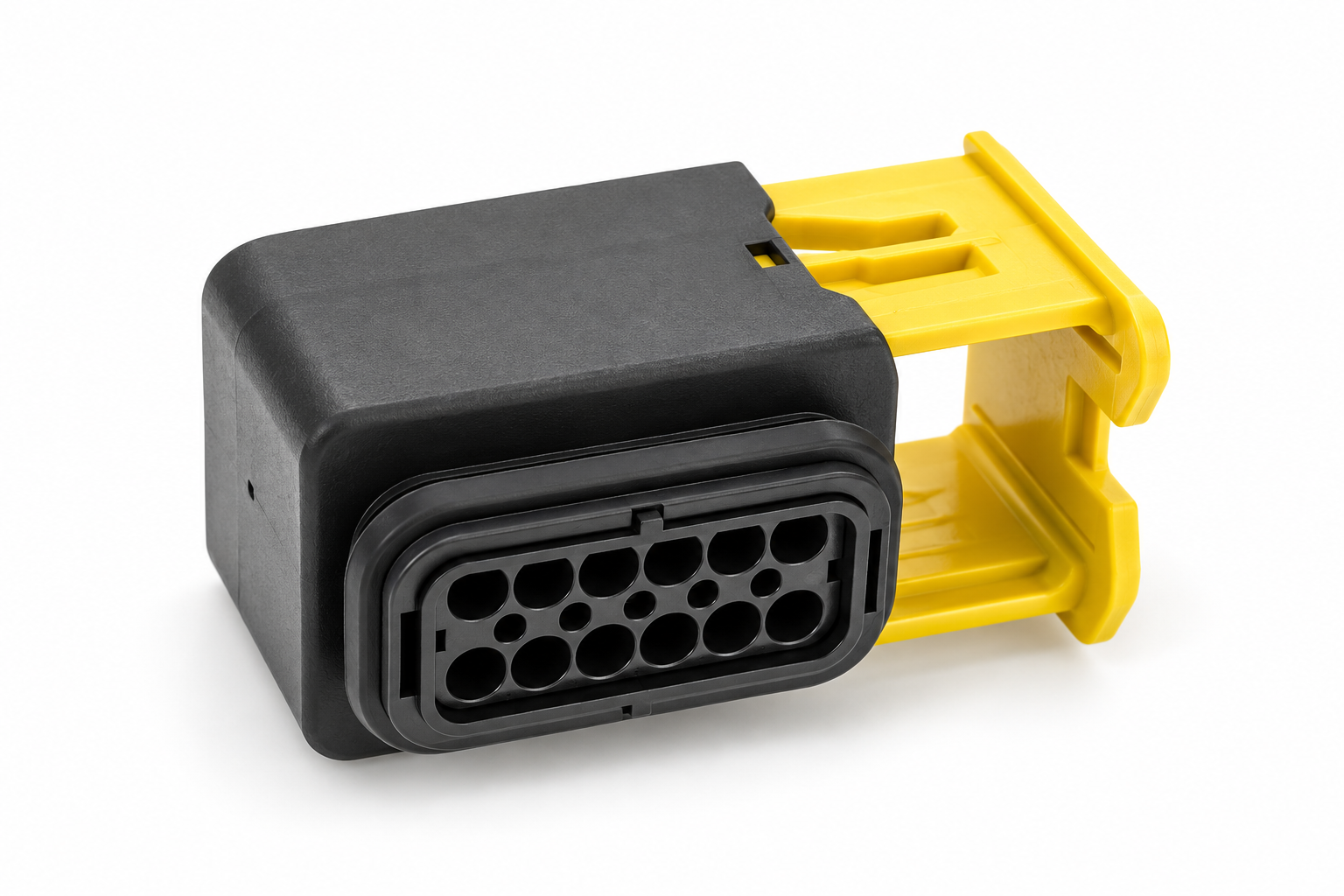
Illustrative TE AMP New Energy Series automotive connector housing and component arrangement based on the original product image

TE AMP New Energy Series

Use the illustrated housing and colored lock as an enquiry starting point. Describe the equipment, circuit function and mating interface. Current, voltage and any interlock requirements need confirmation for the exact selected part and completed assembly.
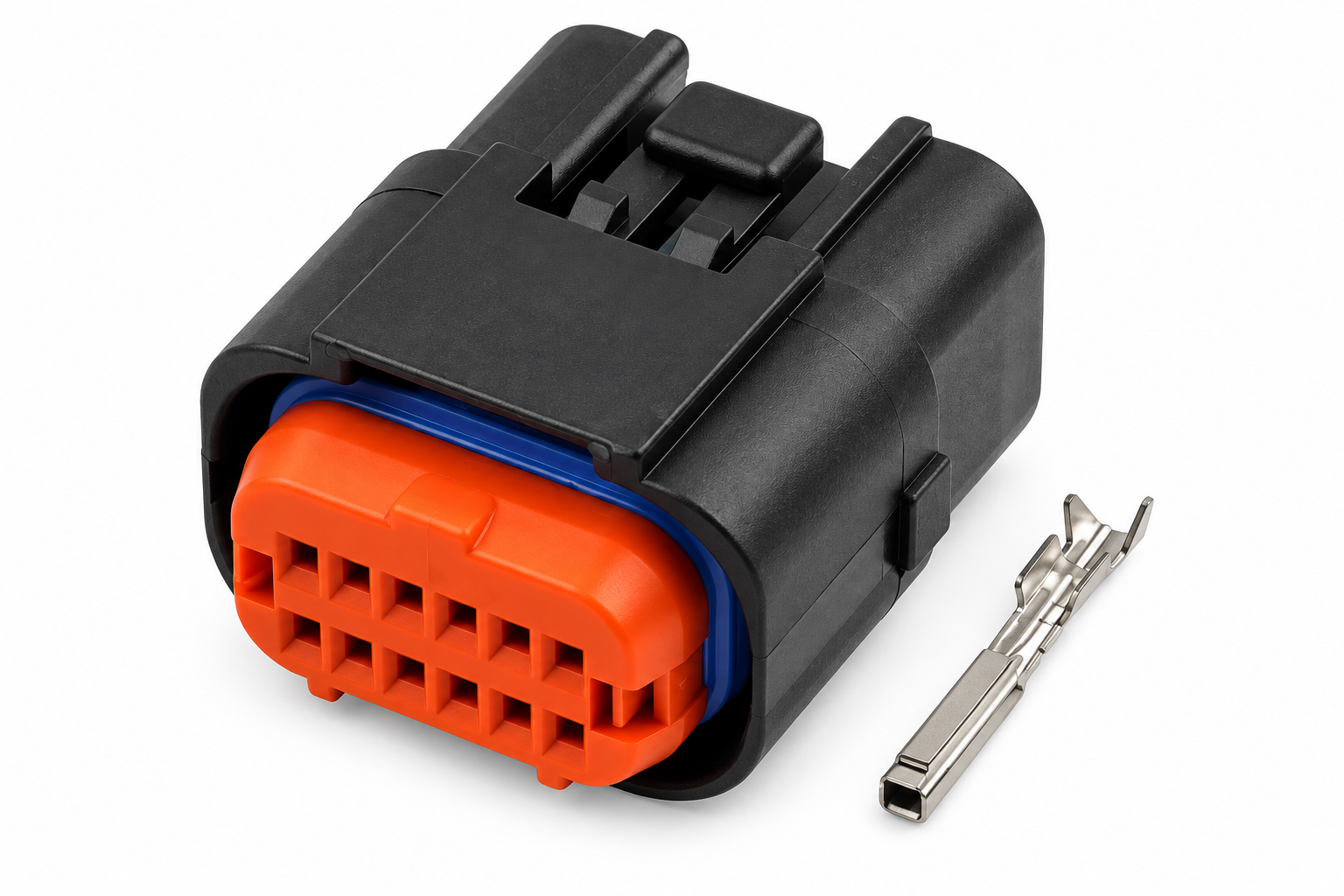
Illustrative JAE MX23 Series automotive connector housing and component arrangement based on the original product image

JAE MX23 Series

Review the housing face, colored insert and terminal shown in this range. Send the original connector reference, required positions and wire information. Confirm the part drawing and mating interface when considering a replacement or a new harness design.
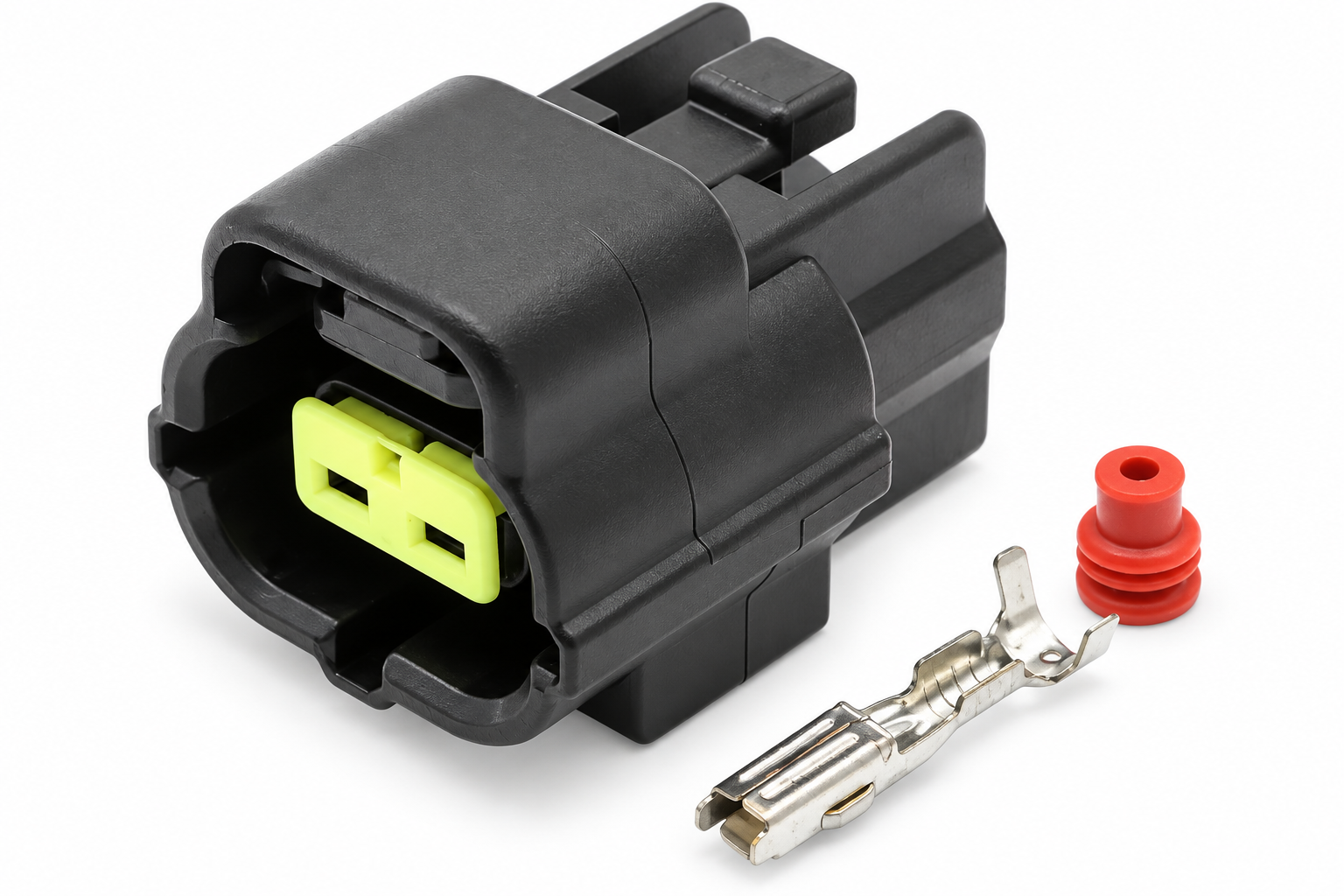
Illustrative TE ECONO-J MK-2 Series automotive connector housing and component arrangement based on the original product image

TE ECONO-J MK-2 Series

Discuss the connector housing, terminal and separate wire seal as a matched set. Check the latch, housing key and mating face against the original component. Specify whether the enquiry covers loose housings, accessory kits or an assembled pigtail.
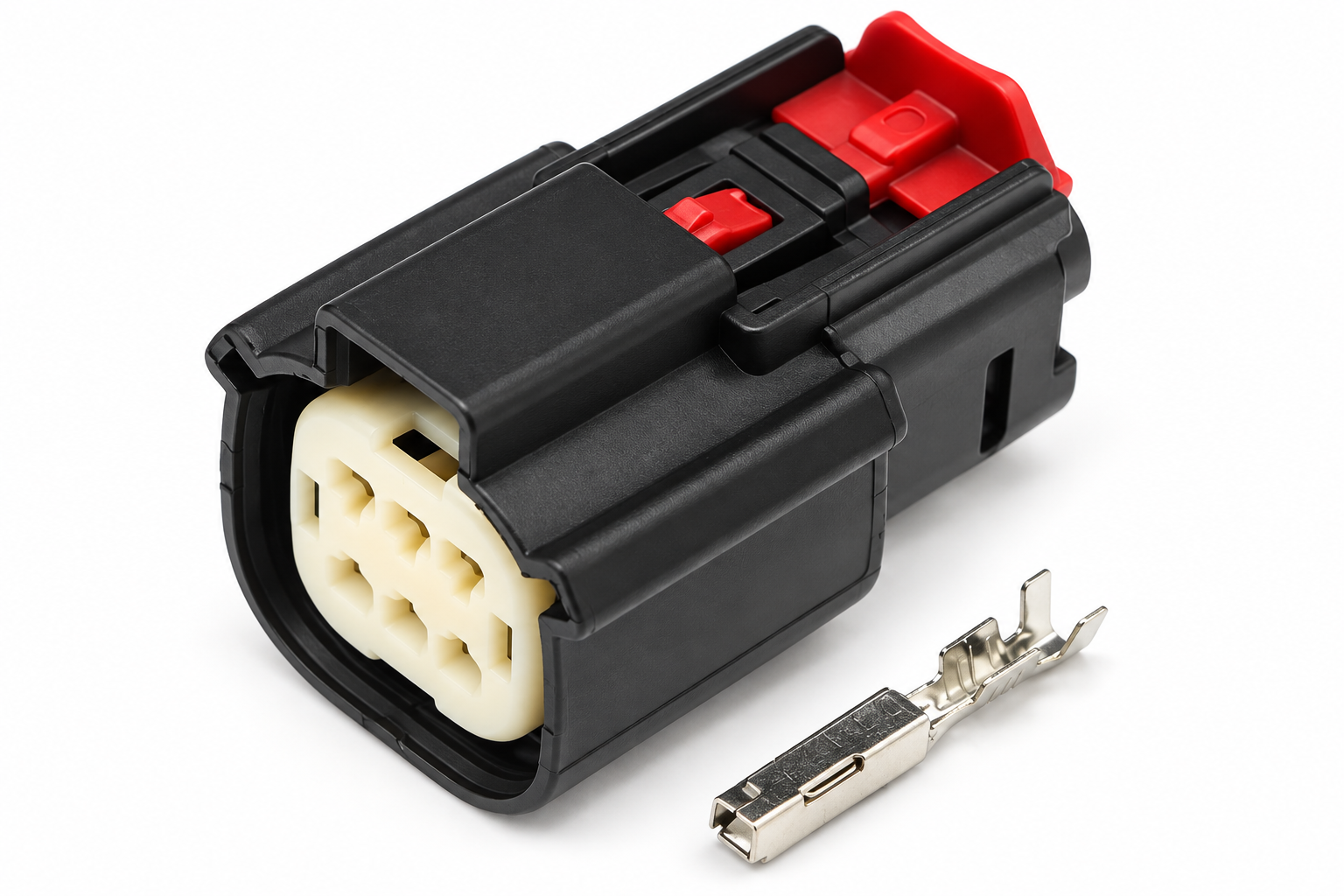
Illustrative Molex MX150 Series automotive connector housing and component arrangement based on the original product image

Molex MX150 Series

Compare the housing profile, colored lock and terminal format shown in the illustration. Provide the exact part reference, wire size and circuit environment. Review the required mating half and accessory list before releasing a purchasing specification.
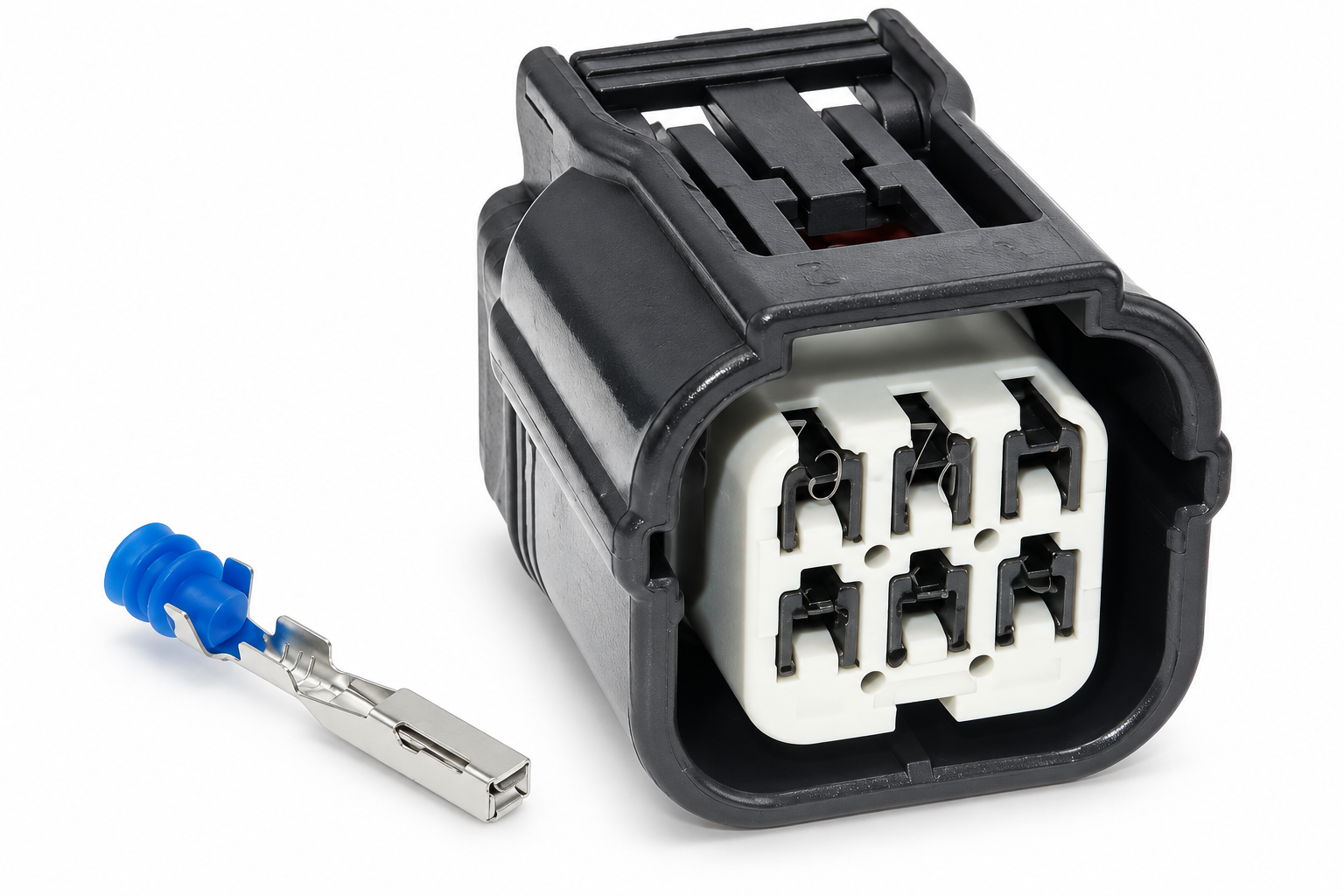
Illustrative Sumitomo HX 040 and 090 Series automotive connector housing and component arrangement based on the original product image

Sumitomo HX 040 and 090 Series

Use the connector face and contact illustration to discuss the required variant. Include the housing reference, terminal type and wire seal details. Ask for the selected model drawing so keying, cavity assignment and mating dimensions can be checked.
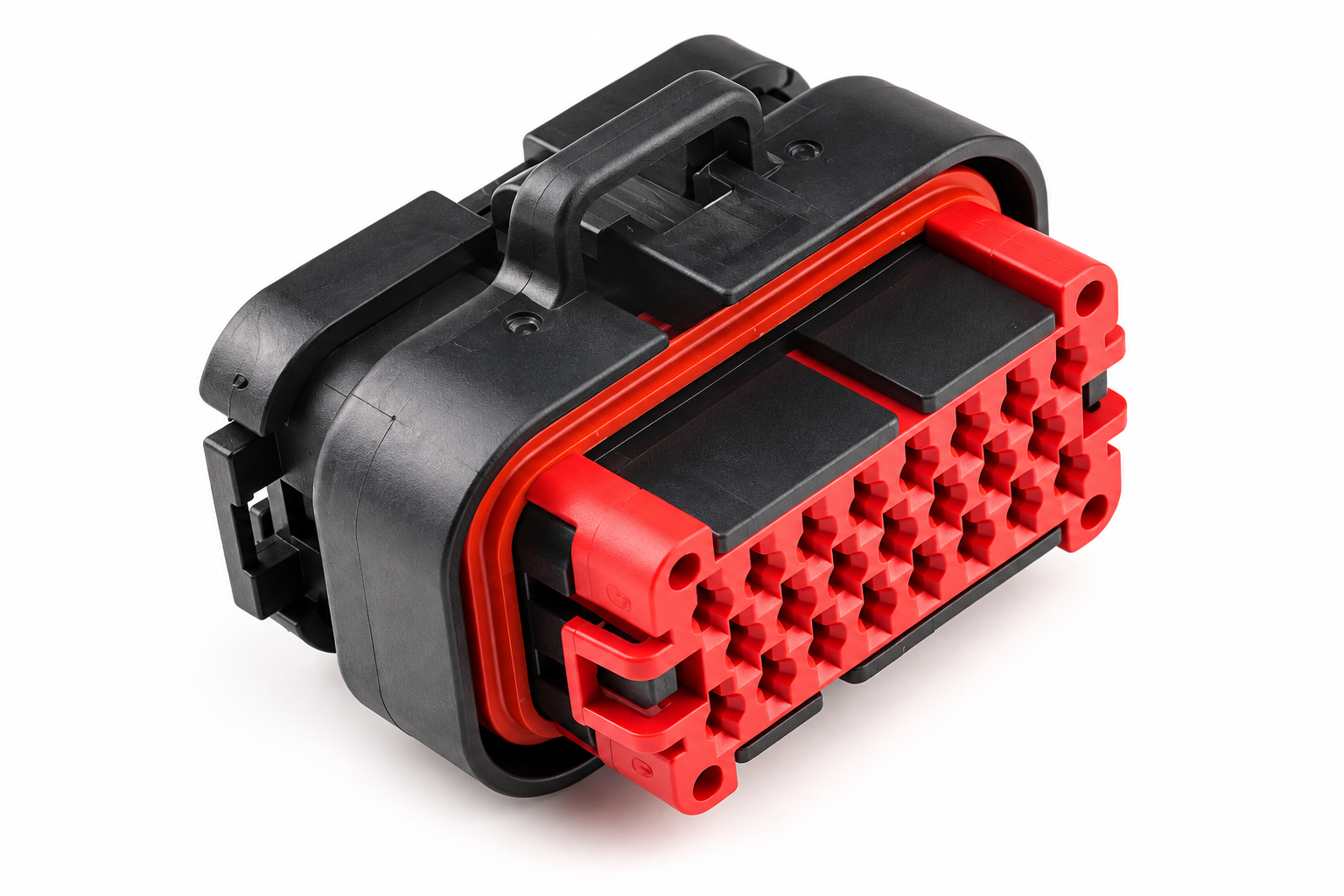
Illustrative ECU And PCB Series automotive connector housing and component arrangement based on the original product image

ECU and PCB Connector Series

Discuss the multi-position connector interface for your control unit or board assembly. Specify the drawing reference, cavity arrangement and required mating component. Review board mounting, harness routing and enclosure interfaces together before finalizing the connector selection.
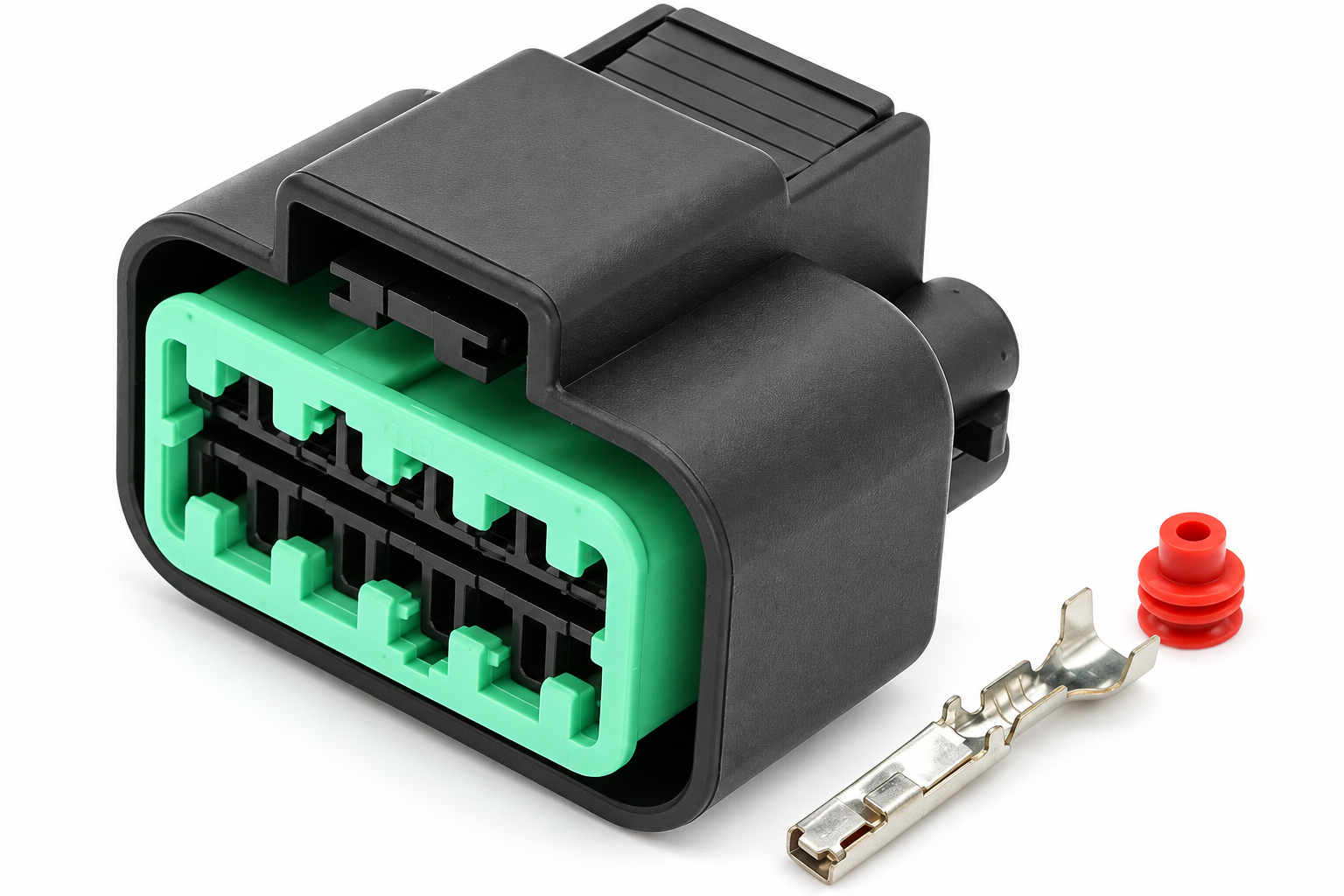
Illustrative KUM NMWP Series automotive connector housing and component arrangement based on the original product image

KUM NMWP Series

Review the housing, colored insert, terminal and seal shown in this product family. Match the part reference and connector face to your sample. Share the intended circuit and assembly requirements so the correct component set can be quoted.
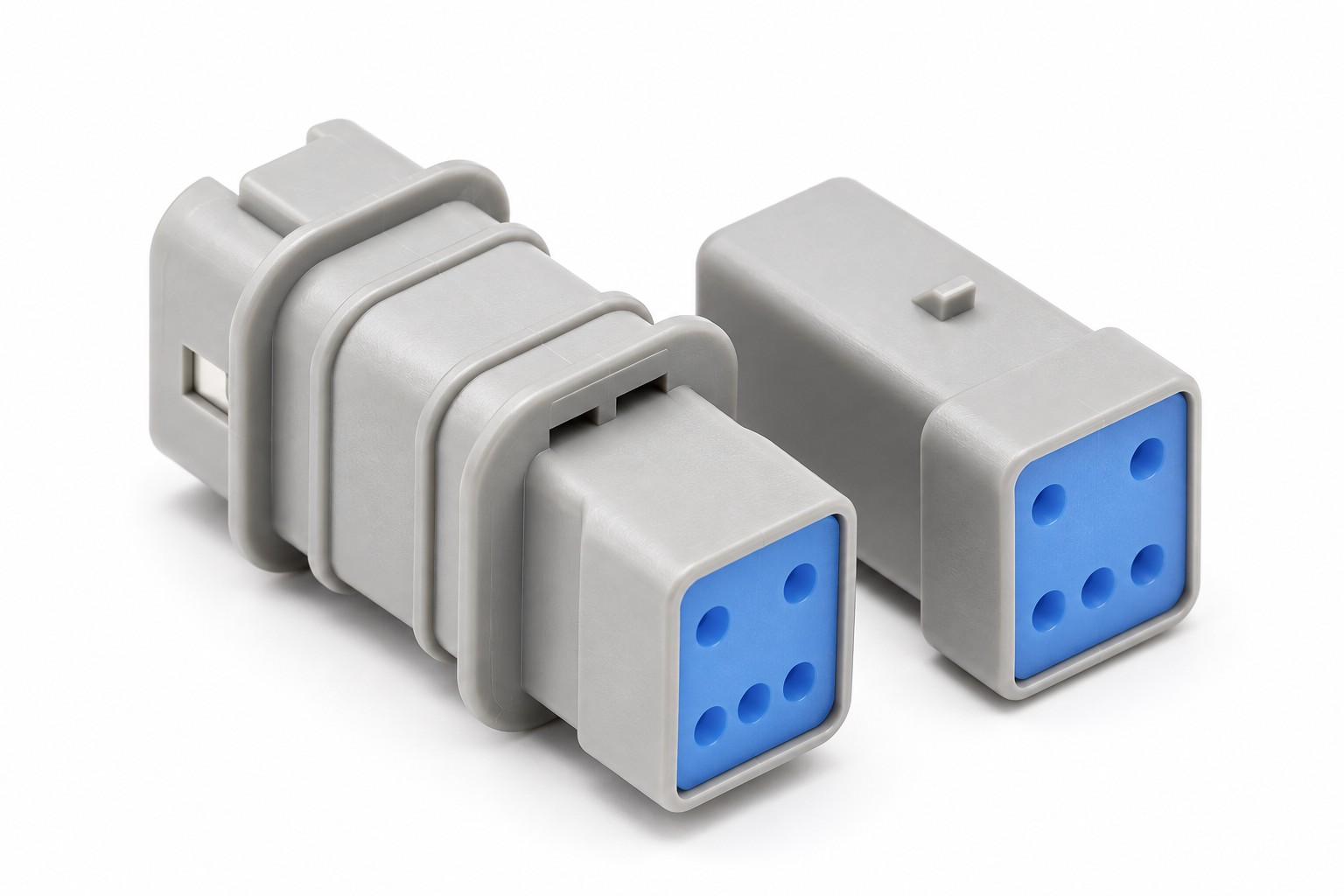
Illustrative JST JWPF Series automotive connector housing and component arrangement based on the original product image

JST JWPF Series

Compare the compact light-colored housings and their mating features shown here. Include the original housing reference, position count and wiring details. Confirm the correct contacts, accessories and assembly instructions for the variant selected for your project.

Series names are used for identification. Confirm the manufacturer, part origin and agreed replacement specification in the quotation.

Automotive Electrical Connector Applications

Explore three practical sourcing and installation scenes. Select each connector against the requirements of the vehicle, equipment and finished harness.

Illustrative automotive connector scene: Vehicle Wiring Harnesses

Vehicle Wiring Harnesses

Plan connections for sensors, lighting and body wiring around the original harness interface. Specify the circuit function, available mounting space and routing conditions. Review housing keying, terminal selection and rear wire seals together when preparing a sample or replacement enquiry.

Illustrative automotive connector scene: Commercial Vehicles & Mobile Equipment

Commercial Vehicles & Mobile Equipment

Discuss connector requirements for trucks, service vehicles and mobile equipment with exposed or confined wiring routes. Share the expected vibration, fluid exposure, temperature and maintenance conditions. Select the connector and its supporting accessories against the requirements of the complete installation.
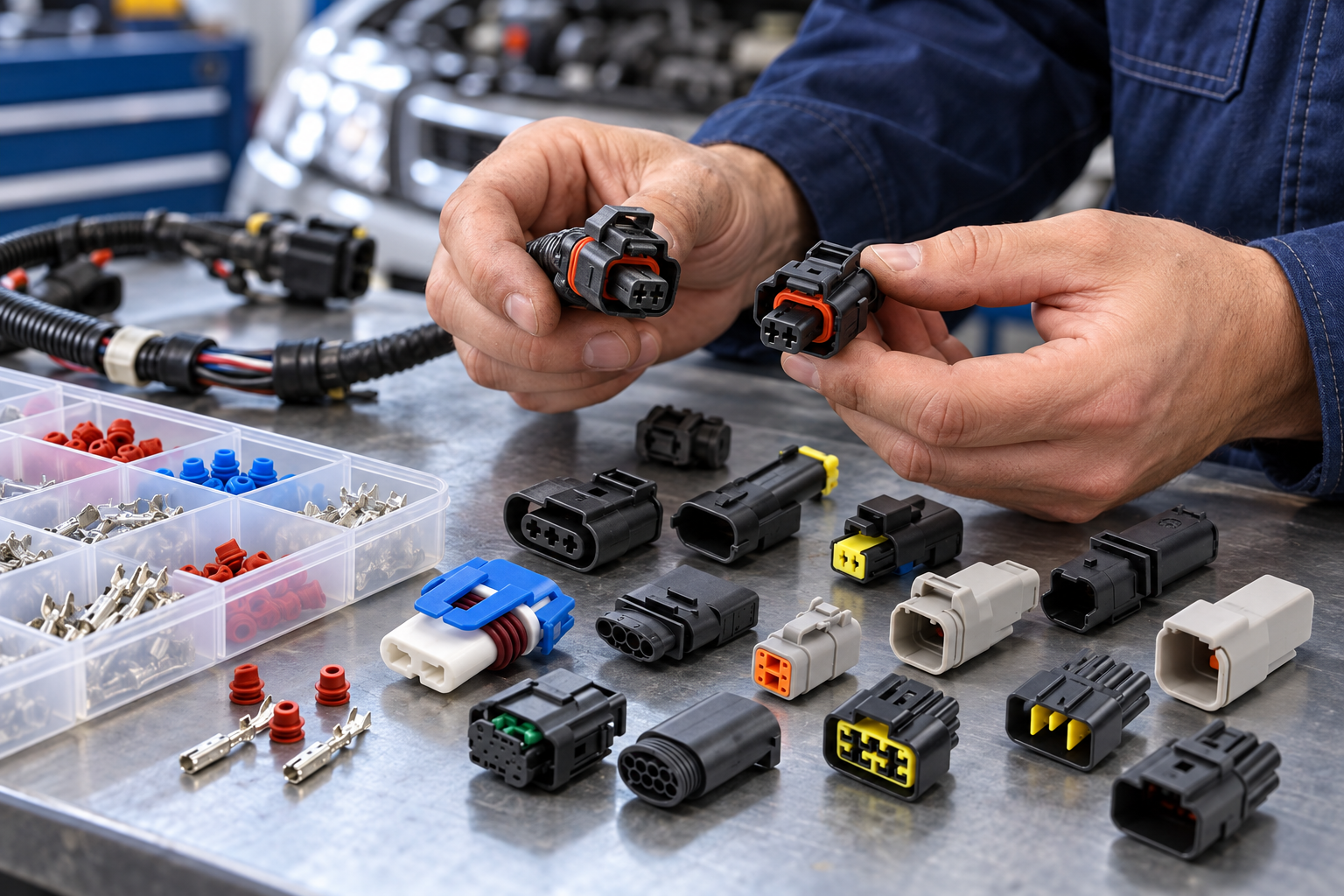
Illustrative automotive connector scene: Aftermarket Repair & Parts Supply

Aftermarket Repair & Parts Supply

Build replacement orders around verified part references and the vehicles served by your market. Provide photographs of the mating face, rear wire entry and latch alongside the original part number. Use samples to review fit and assembly before ordering kits or pigtails in bulk.

Technical Specifications: What to Confirm

Specify the selected model rather than applying one rating to every connector family. The checklist below identifies the information needed for a clear technical enquiry.

SpecificationInformation to ProvideReview Before Ordering
Part identificationOriginal housing and mating referencesConfirm the exact variant and agreed drawing revision.
Cavity layout and keyingPositions, connector face and locking featuresCheck mating compatibility and circuit assignment.
Wire and terminalsConductor size, insulation diameter and contact typeSelect contacts, seals and tooling as a matched system.
Material and finishHousing, seal, contact alloy and platingRequest the selected model specification.
Electrical requirementsCircuit current, voltage and duty conditionsVerify model data and the completed assembly requirements.
EnvironmentTemperature, fluids, moisture and vibrationAgree installation conditions and qualification evidence.
Sealing arrangementWire seals, interface seals and unused cavitiesConfirm required accessories and assembly instructions.
Inspection and documentationDrawings, test records and requested market documentsAgree applicable evidence and acceptance criteria.

For an example of how terminals are specified separately from the housing, see the TE AMP SUPERSEAL terminal data. The manufacturer’s data does not establish the specification of a TONFUL-supplied variant.

Why Source Automotive Connectors from TONFUL

Matched Component Selection

Review housings, contacts, locks and seals together. A complete component list helps prevent a missing accessory from delaying harness assembly.

Clear Mating Requirements

Compare the connector face, latch and keying with the original drawing or sample. Position count alone does not establish compatibility.

Application-Based Sourcing

Tell TONFUL where the connector will be installed. The circuit environment and available routing space help define the information needed for selection.

Kit and Pigtail Enquiries

Specify loose components, matched kits or assembled leads. Include wire lengths, colors and circuit assignments when requesting a pigtail quotation.

Sample Review

Use samples to check appearance, mating engagement and assembly handling. Agree any functional or environmental verification needed before a production purchase.

Purchasing Clarity

Put quantities, packaging, labels and documentation requirements into one enquiry. Confirm pricing and commercial terms in the quotation.

Select Automotive Connectors in Six Practical Steps

1. Identify the Part

Record the original housing and mating references. Send clear photographs of the connector face, rear wire entry, latch and any visible markings.

2. Check Cavities and Keying

Confirm the position count, cavity assignment and polarization features. Compare both mating halves rather than choosing by outline or color alone.

3. Match Wire and Contacts

State the conductor size and insulation diameter. Ask for the correct contact, wire seal and tooling information for the exact housing variant.

4. Define the Environment

Describe temperature, moisture, fluid exposure, vibration and routing constraints. Agree the required evidence for the connector in its intended installation.

5. Review Electrical Needs

Provide current, voltage and operating conditions for each circuit. Check the selected part data and any assembly or vehicle-specific qualification requirements.

6. Approve Samples and Packing

Review sample fit and handling, then confirm the component list, quantities, labels and packing. Document the approved part reference before the bulk order.

Get Your Free Sample!

We provide samples for free, you just need to tell us what you need

Automotive Connector Workshop & Packaging

Illustrative automotive connector scene: Connector Assembly & Inspection

Connector Assembly & Inspection

From component sorting to housing and terminal inspection, clear part references support an orderly supply process. Discuss the housing, contact, seal and locking-component requirements with TONFUL. Agree sample checks, drawing revisions and any model-specific inspection documentation needed for your order.
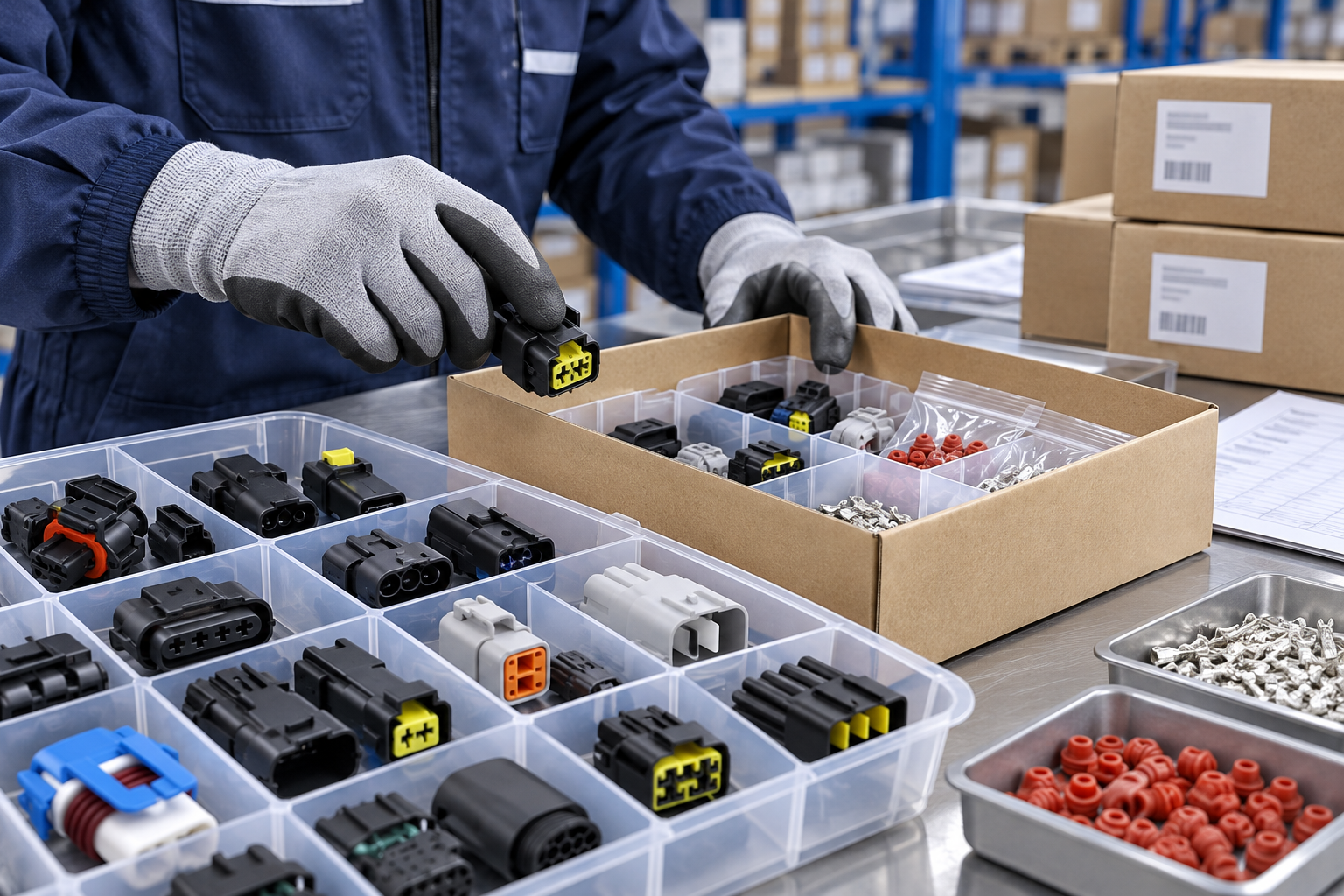
Illustrative automotive connector scene: Protective Packaging & Order Preparation

Protective Packaging & Order Preparation

Specify separate bags, matched component kits or individual boxes for your connector order. Define pack quantities, part-reference labels and outer-carton requirements. Clear packaging instructions help your team identify housings, terminals and seals during receiving, storage and harness assembly.
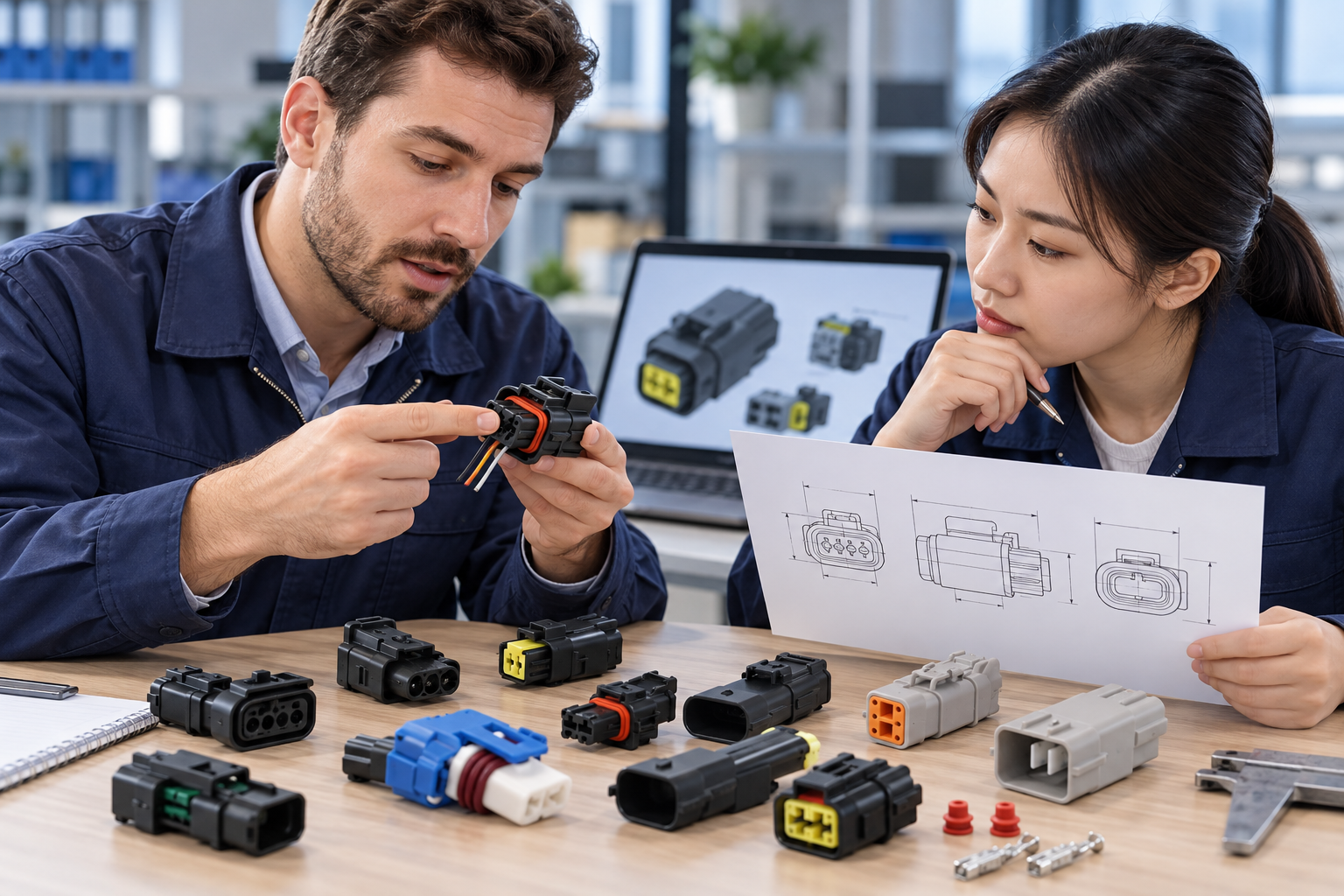
Illustrative workshop and packaging scenes.

More Than Just an Automotive Electrical Connector Manufacturer

Illustrative automotive connector scene: Service Consultation

Service Consultation

Bring your part reference, circuit requirements and installation conditions into one discussion. TONFUL can help review the requested connector family and identify the drawings, component details and sample information needed for a quotation.
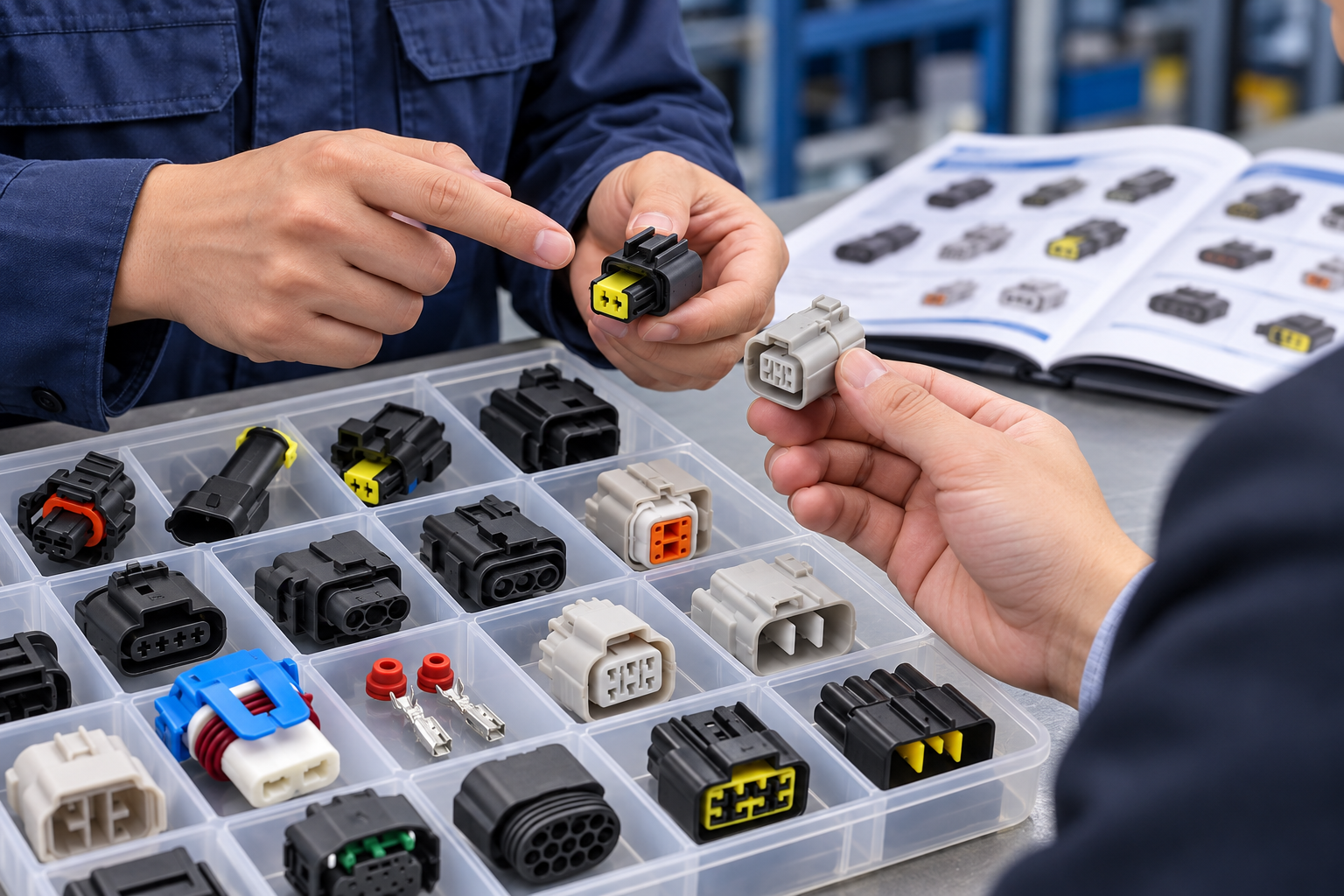
Illustrative automotive connector scene: Product Recommendations

Product Recommendations

Compare housing shape, cavity layout, locking features and accessory requirements with our team. Share the original sample or clear photographs so the enquiry can focus on the relevant variants and the correct mating component set.
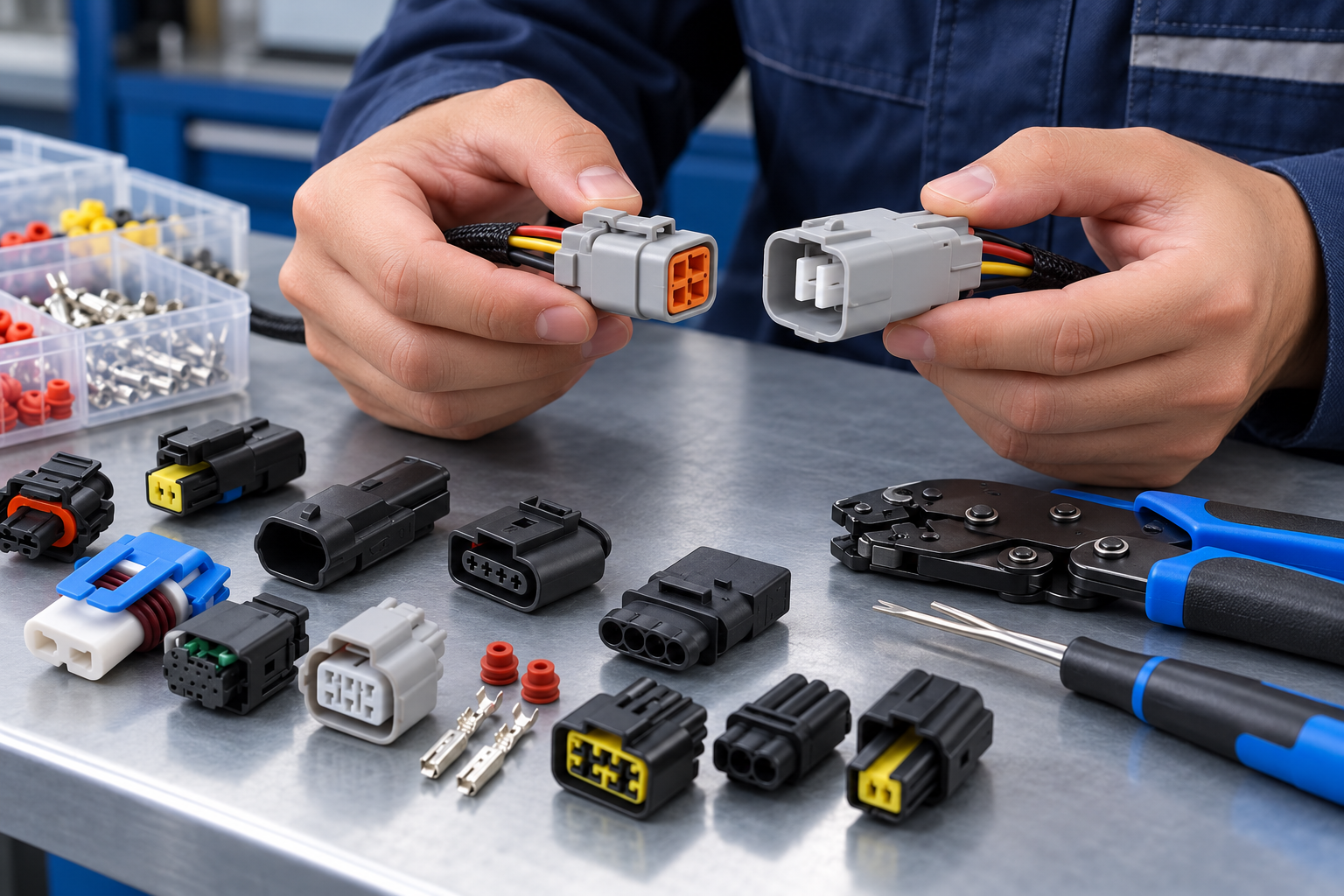
Illustrative automotive connector scene: Installation Support

Installation Support

Ask for the selected connector’s assembly instructions and tooling information. Review terminal insertion, wire seals and secondary locks against the model documentation. Define any additional assembly support needed as part of the project enquiry.

Illustrative automotive connector scene: Logistics Support

Logistics Support

Share your delivery destination, pack quantities and labeling requirements. TONFUL can review order preparation and shipping arrangements with you. Confirm freight charges, shipping terms and the expected delivery schedule in the quotation.

Automotive Electrical Connectors: Frequently Asked Questions

What information helps identify a replacement connector?

Start with the original part number and the mating component reference. Add photographs of the connector face, latch and rear wire entry, plus the vehicle or equipment details. These inputs help narrow the enquiry before drawings and samples are reviewed.

Are connectors from different series interchangeable?

Similar appearance or the same cavity count is not enough. Housing keying, latch geometry, contact system and mating dimensions can differ. Confirm compatibility using the exact references and approved drawings, then review a sample when replacing an existing part.

Can I request complete connector kits or pigtails?

Specify whether you need loose housings, contacts and seals, a matched kit or an assembled pigtail. For leads, include wire sizes, lengths, colors, cavity assignments and packaging. TONFUL can review the requested scope before quoting.

How do I select the right wire seal and terminal?

Provide conductor size and insulation diameter along with the housing reference. Check the terminal and seal ranges in the selected component documentation. A housing family name alone does not determine which contact, seal or crimp tool should be used.

Are all automotive connectors sealed or suitable for the same environment?

No. Sealing construction and environmental suitability vary by part and assembly. Define moisture, fluids, temperature and vibration conditions, then request the relevant model data and installation instructions. Agree any qualification required for the finished harness.

What should I check before a production order?

Review the approved drawing, matching component list and sample fit. Confirm quantities, packaging, labels and requested inspection documents. Keep the approved connector and mating references in the purchasing specification so later orders follow the same agreed configuration.

How can I request drawings, samples and a quotation?

Open the enquiry window and send your original part reference, wire details, circuit requirements and expected order quantity. Include photographs or drawings when available. Add the delivery destination and packaging preferences so the technical and commercial scope can be reviewed together.

Request Automotive Connector Information

Plan your next automotive connector order with TONFUL Electric. Share the part reference, mating connector, wire requirements, quantity and packaging preferences.

For related harness purchasing, explore terminals and connectors, electrical tools, cable ties, heat shrink tubing and automotive blade fuses. Specify each component against its own application requirements.

Email ivan@tonful.com or open the enquiry window below.

滚动至顶部

Ask For Quote Now