Wholesale Nylon MINI Blade Fuse for Automotive Safety

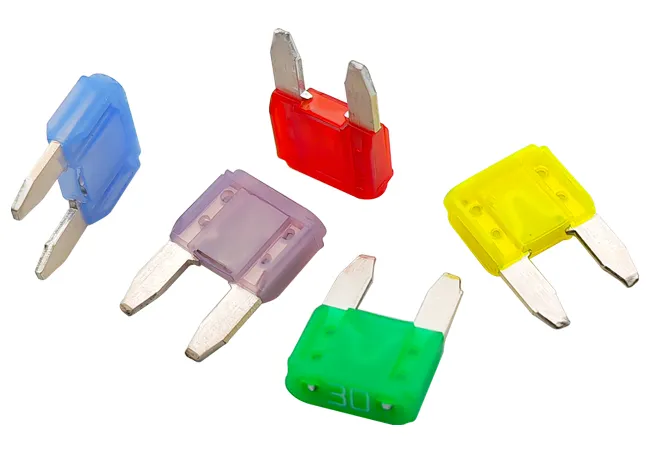
Enhance circuit protection with Tonful Electric’s Wholesale Nylon (PA66) MINI Blade Fuses. Designed for high-temperature automotive environments, our fuses feature a durable Nylon 66 (PA66) housing that offers superior thermal stability compared to standard polycarbonate fuses.

Engineered for L7e-category electric vehicles, heavy-duty trucks, and industrial machinery, these fuses provide precise overcurrent protection consistent with ISO 8820-3 standards. Whether you are an OEM manufacturer or an aftermarket distributor, Tonful delivers reliable, flame-retardant (UL94 V-0) protection for critical electrical systems.

Certified By

Why Choose Our PA66 Nylon MINI Fuse?

Superior Thermal Stability

Our MINI fuses are engineered with high-grade PA66 (Nylon 66), which boasts a significantly higher melting point than standard plastic (ATS/Polycarbonate). This ensures the fuse housing remains structurally sound and prevents deformation even in high-temperature engine environments, providing consistent protection for critical circuits.

Enhanced Flame Retardancy

Safety is non-negotiable. Unlike generic fuses, our Nylon PA66 housing meets stringent UL94 V-0 or V-2 flammability standards. In the event of an electrical fault, the self-extinguishing properties of the nylon material prevent the spread of fire, offering an extra layer of security for automotive and industrial applications.

Excellent Chemical & Impact Resistance

The rugged nature of PA66 Nylon provides exceptional resistance to common automotive fluids, including oils, greases, and fuels. Furthermore, its high mechanical strength ensures the MINI fuses can withstand heavy vibrations and physical shocks, making them ideal for heavy-duty vehicles and L7e-category electric cars.

Precision Conductivity & Corrosion Protection

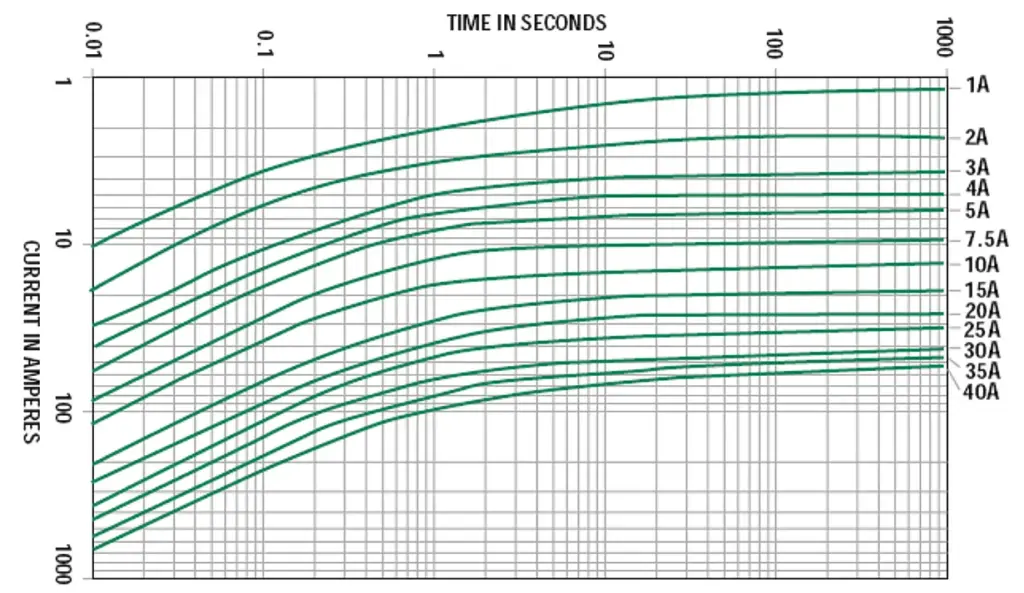
Beyond the housing, our fuses feature high-quality zinc alloy elements with optional tin or silver plating. This combination ensures precise blowing time (consistent with ISO 8820-3) and prevents oxidation, ensuring low contact resistance and long-term reliability in humid or salty environments.

How to Install Nylon MINI Blade Fuse: A Step-by-Step Guide

01

Safety First

Before starting, ensure the vehicle’s ignition is OFF and all electrical components (lights, radio, etc.) are disconnected. For industrial equipment, ensure the main power source is locked out.

02

Locate the Fuse Box

Consult your owner’s manual or equipment schematic to find the fuse block. In vehicles, these are typically located under the dashboard, under the hood, or near the battery.

03

Identify and Remove the Blown Fuse

Look for a fuse with a broken internal metal filament or a charred Nylon housing. Use a fuse puller tool to gently remove the damaged MINI fuse from its slot.

04

Match the Amperage

It is critical to replace the blown fuse with a new Nylon MINI Blade Fuse of the exact same amperage. Check the color-coding and the number printed on the top of the fuse (e.g., 10A, 15A, 20A).

05

Insert the New Fuse

Align the two metal prongs of the new Tonful Nylon fuse with the slots in the fuse block. Press firmly until the fuse is seated flush with the surface. The high-temperature resistant PA66 material ensures a secure, heat-stable connection.

06

Test the Circuit

Turn the ignition or power back on to verify that the electrical component is functioning correctly. If the new fuse blows immediately, there may be a deeper short circuit that requires professional inspection.

Get Your Free Sample!

We provide samples for free, you just need to tell us what you need

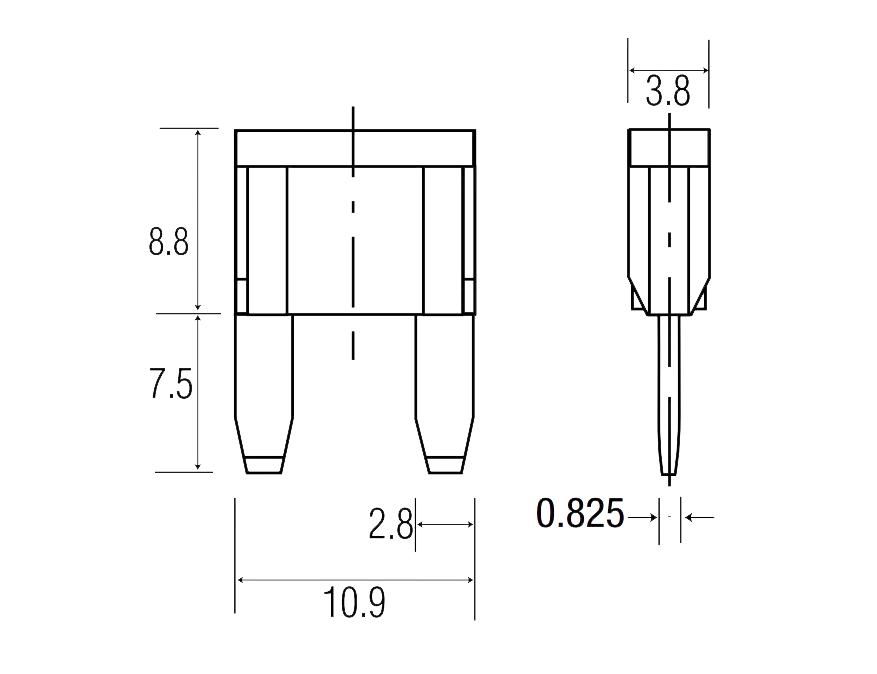
Technical Datasheet: PA66 Nylon MINI Fuse (ISO 8820-3)

Technical Datasheet: PA66 Nylon MINI Fuse (ISO 8820-3)

Part No. Current (A) Color Code Volt. Drop (mV) Cold Res. (mΩ) I²t (A²s)
TFNM-0022AGrey14153.52.8
TFNM-0033AViolet13731.19.4
TFNM-0044APink13622.817
TFNM-0055ATan11610.9125
TFNM-07.57.5ABrown13510.868
TFNM-01010ARed1097.70930
TFNM-01515ABlue1024.802700
TFNM-02020AYellow983.383800
TFNM-02525AClear922.526250
TFNM-03030AGreen841.9711300

Tonful Workshop

FAQ: Professional Insights into Nylon MINI Blade Fuse

Why should I choose Nylon (PA66) over standard PC plastic for fuse housings?

Nylon PA66 offers superior thermal stability and mechanical strength. Unlike standard polycarbonate (PC), Nylon maintains its structural integrity at temperatures up to 125°C-150°C, which is critical for high-load automotive environments. It is also self-extinguishing (UL94 V-0/V-2), providing a higher safety margin against electrical fires.

Are your MINI blade fuses compatible with L7e-CU category electric vehicles?

Yes. Our MINI blade fuses are designed to meet the compact space requirements and vibration resistance standards necessary for L7e-CU and other light electric vehicles. Their small footprint and high reliability make them ideal for modern EV power distribution units.

What international standards do these fuses meet?

Our products are manufactured to meet or exceed ISO 8820-3, RoHS, and CE certifications. This ensures that the blow-time characteristics and physical dimensions are fully compatible with global OEM fuse blocks.

Can I replace a standard MINI fuse with a Nylon MINI fuse of a different color?

No. The color indicates the specific amperage (A) rating of the fuse. You must always replace a blown fuse with one of the same color and rating. While the Nylon housing provides better heat resistance, the internal element must match the circuit’s original specifications to prevent equipment damage.

Do you provide 2D/3D models and technical datasheets for engineers?

Absolutely. We support design engineers by providing STEP, DWG files, and detailed PDF datasheets. This helps streamline the integration process into your vehicle’s electrical system or industrial control panel.

Ready to Secure Your Connections? Get Your Free Sample.

Experience the Tonful difference for yourself. Tell us about your project, and we’ll provide an instant quote and a free sample pack of our industry-leading Nylon MINI Blade Fuse.

滚动至顶部

Ask For Quote Now