Blog

Your blog category

how-to-choose-the-correct-tool

How to Choose the Correct Tool to Crimp Wire Ferrules: Complete Selection Guide

The correct ferrule crimping tool depends on your wire gauge range (AWG 28-10 most common), ferrule type (insulated vs. non-insulated), and application frequency (occasional DIY vs. professional use). For most electrical work, a ratcheting ferrule crimper with interchangeable dies covering AWG 10-22 provides the best balance of precision, durability, and value. Choosing the wrong ferrule …

How to Choose the Correct Tool to Crimp Wire Ferrules: Complete Selection Guide Read More »

insulated-vs-noninsulated-ferrules

Insulated vs Non-Insulated Ferrules: Complete Comparison Guide for Wire Termination

Quick Answer: Insulated ferrules have a plastic or nylon collar that provides protection and identification, while non-insulated ferrules are bare metal sleeves. Use insulated ferrules for applications requiring wire protection, moisture resistance, and color coding. Choose non-insulated ferrules when space is limited or in high-temperature environments above 105°C (221°F). Wire ferrules are essential components for …

Insulated vs Non-Insulated Ferrules: Complete Comparison Guide for Wire Termination Read More »

what-are-automotive-fuses

What Are Automotive Fuses? Complete Guide to Types, Functions & Selection

Automotive fuses are safety devices that protect your vehicle’s electrical circuits from damage caused by excessive current flow. They act as the weakest link in an electrical circuit, designed to burn out or “blow” before expensive components like ECUs, lights, or motors are damaged by electrical overloads. Understanding automotive fuses is crucial for every vehicle …

What Are Automotive Fuses? Complete Guide to Types, Functions & Selection Read More »

manual-crimping-vs-automated-crimping

Manual Crimping vs Automated Crimping: The Complete Guide to Choosing the Right Method

Manual crimping uses handheld tools operated by technicians, while automated crimping employs computer-controlled machines for high-volume production. The choice between these methods depends on your production volume, precision requirements, budget, and quality standards. Understanding the differences helps you select the most cost-effective approach for your specific wire termination needs. What is Crimping? Crimping is the …

Manual Crimping vs Automated Crimping: The Complete Guide to Choosing the Right Method Read More »

what-is-spt-wire

What is SPT Wire? Complete Guide to Service Parallel Thermoplastic Wire

SPT wire is a flexible, two-conductor electrical cord specifically designed for low-voltage applications like lamps, small appliances, and temporary lighting. The acronym stands for “Service Parallel Thermoplastic,” indicating its construction with parallel conductors encased in thermoplastic insulation rated for 300 volts maximum. Understanding SPT wire is crucial for safe electrical installations, as using the wrong …

What is SPT Wire? Complete Guide to Service Parallel Thermoplastic Wire Read More »

what-is-american-wire-gauge

What is American Wire Gauge? Complete AWG Guide for Safe Electrical Work

American Wire Gauge (AWG) is a standardized system that measures the diameter and current-carrying capacity of electrical wires used in North America. The AWG system uses a counterintuitive numbering system where smaller numbers indicate thicker wires that can carry more electrical current safely. Understanding AWG is crucial for electrical safety, code compliance, and preventing fires …

What is American Wire Gauge? Complete AWG Guide for Safe Electrical Work Read More »

what-should-be-done-to-ensure-a-good-crimp-connect

What Should Be Done to Ensure a Good Crimp Connection? The Complete Professional Guide

Direct Answer: To ensure a good crimp connection, you must use the correct crimp tool, select the proper terminal size for your wire gauge, strip the wire to the exact length specified, insert the wire fully into the terminal barrel, and apply consistent pressure with the crimping tool until the connection is properly compressed and …

What Should Be Done to Ensure a Good Crimp Connection? The Complete Professional Guide Read More »

what-is-the-best-way-to-crimp

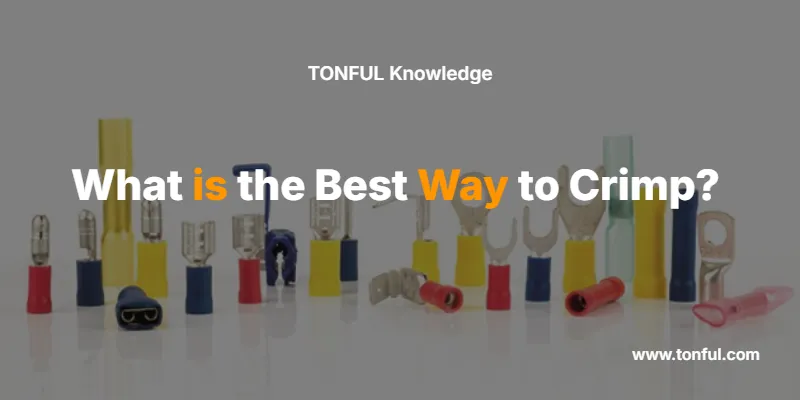
What is the Best Way to Crimp? The Complete Guide to Professional Wire Crimping

The best way to crimp electrical wires is using a ratcheting crimping tool with properly sized terminals, following NEC code requirements for compression ratios and pull-test standards. This method ensures reliable electrical connections that meet safety standards and prevent connection failure over time. Proper crimping creates secure, permanent electrical connections that are essential for safe …

What is the Best Way to Crimp? The Complete Guide to Professional Wire Crimping Read More »

What is the Purpose of a Crimp? The Complete Guide to Electrical Crimping Applications

  A crimp is a mechanical fastening method that creates a secure, permanent connection between wires and terminals, connectors, or other wires by deforming metal sleeves or connectors around conductors. The primary purpose of crimping is to establish reliable electrical connections that resist vibration, corrosion, and mechanical stress while maintaining optimal current flow and safety …

What is the Purpose of a Crimp? The Complete Guide to Electrical Crimping Applications Read More »

common-crimping-mistakes

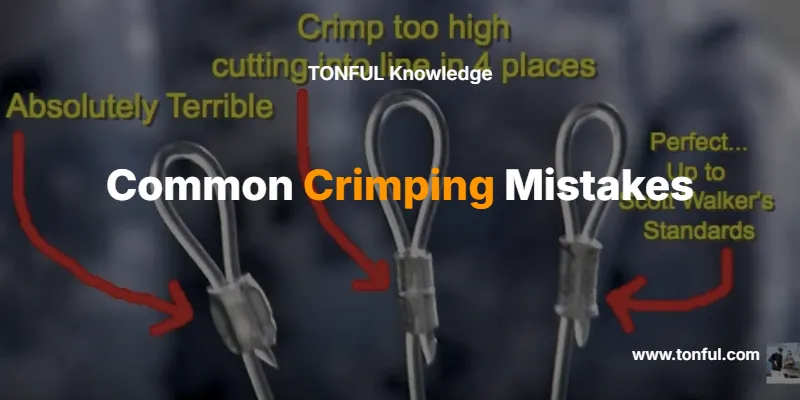
Common Crimping Mistakes: Complete Guide to Avoiding Critical Errors in Electrical Connections

Direct Answer: The most common crimping mistakes include using the wrong crimp tool, selecting improper connector sizes, insufficient or excessive crimping pressure, incorrect wire preparation, and failing to follow safety protocols. These errors can result in loose connections, electrical failures, fire hazards, and code violations. What is Crimping and Why Proper Technique Matters Crimping is …

Common Crimping Mistakes: Complete Guide to Avoiding Critical Errors in Electrical Connections Read More »

Scroll to Top

Ask For Quote Now