Author name: tonful.com

Power Window Switch Contact Resistance Testing Guide

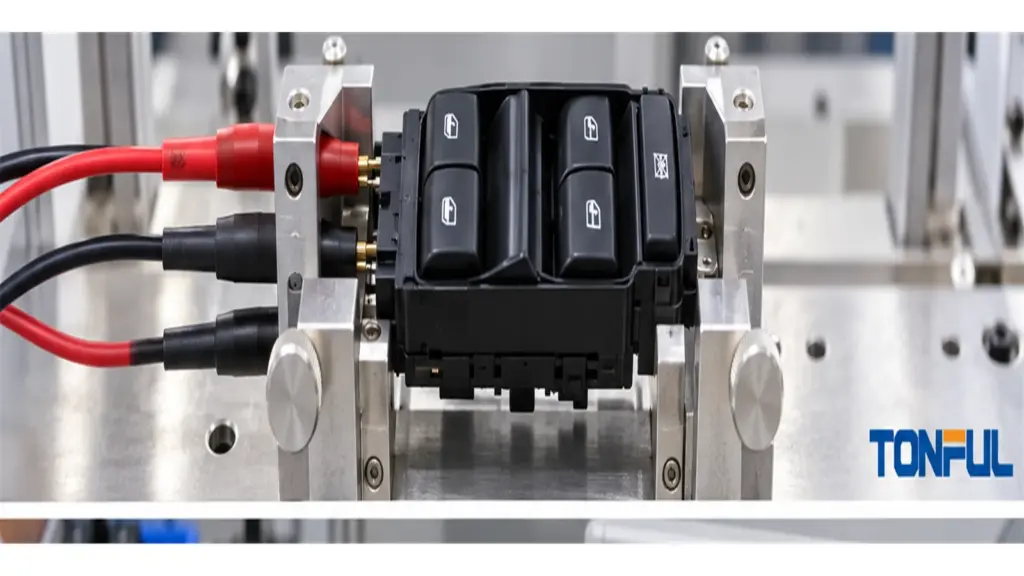
Power window switch contact resistance cannot be judged with a continuity beeper or one unexplained milliohm value. A valid result must identify the exact current path, switch state, Force and Sense locations, test current, polarity, instrument, fixture, temperature and acceptance source. Moving either Sense point changes what resistance is included, so results from different fixtures …

Power Window Switch Contact Resistance Testing Guide Read More »

Power Window Switch Endurance Testing Guide

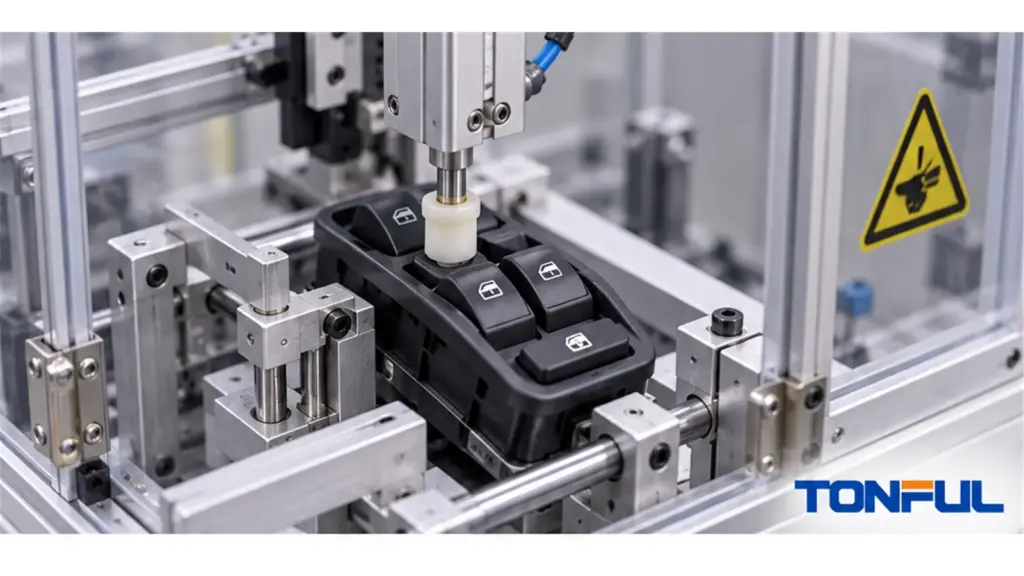
A cycle count alone does not prove power window switch durability. Ten thousand unloaded rocker movements, for example, cannot be compared with the same number of operations under a motor load unless the voltage, current waveform, direction sequence, actuation rate, dwell, temperature, samples, monitoring and failure criteria are also controlled. Even two loaded tests are …

Power Window Switch Endurance Testing Guide Read More »

How to Select a 24V Truck Power Window Switch

Selecting a 24V truck power window switch requires more than matching nominal voltage, button count and connector shape. A 24V label does not identify the circuit architecture, actual switch load, pinout, door position, cab generation, communication method or integrated functions. Two switches can appear interchangeable while using different terminal populations, resistance codes, illumination circuits or …

How to Select a 24V Truck Power Window Switch Read More »

Power Window Anti-Pinch Systems: Design and Testing

A power window anti-pinch system cannot be evaluated from the switch label, connector shape, or one successful auto-up cycle. Automatic closing depends on a chain that may include the rocker input, door electronics, motor controller, position or speed feedback, current monitoring, learned travel limits, mechanical window condition, and reversal logic. A fault anywhere in that …

Power Window Anti-Pinch Systems: Design and Testing Read More »

OEM vs Aftermarket Power Window Switch Comparison

Choosing between an OEM and aftermarket power window switch should not be based on brand, appearance, or unit price alone. The correct choice depends on the exact vehicle and production range, door position, connector and pinout, electrical architecture, functions, validation evidence, supply continuity, warranty terms, and the buyer’s ability to verify the part. A genuine …

OEM vs Aftermarket Power Window Switch Comparison Read More »

Power Window Switch Fitment Checklist

Power window switch fitment should not be determined from appearance, one catalog field, or a supplier statement alone. A candidate can fit the door trim and mate with the connector yet use different populated cavities, terminal functions, resistor values, illumination polarity, one-touch logic, or module communication. These differences can cause missing functions, reversed glass movement, …

Power Window Switch Fitment Checklist Read More »

Master vs Passenger Power Window Switch Guide

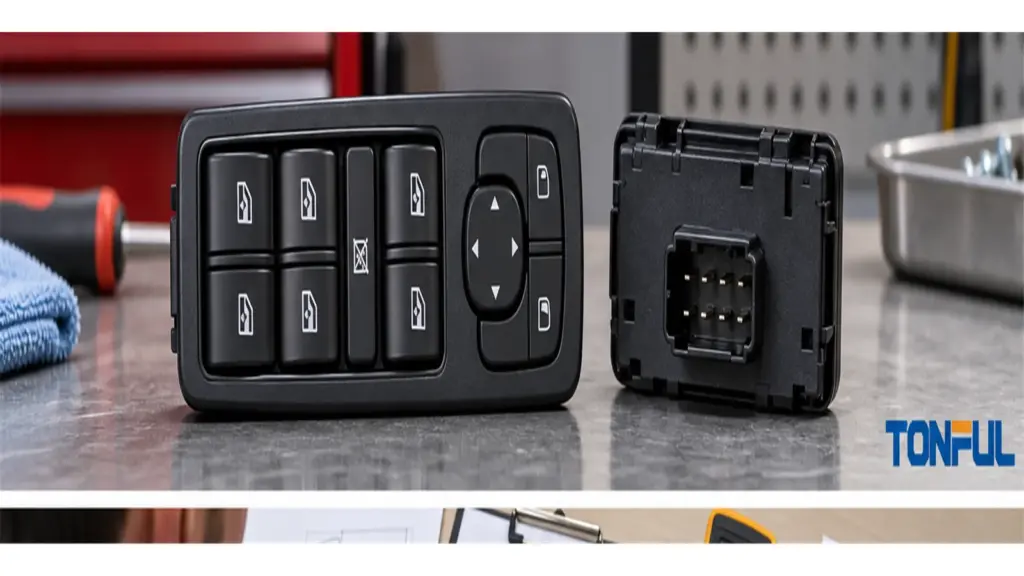
Choosing between a master and passenger power window switch should not be based on button count, housing appearance, or connector size alone. The driver master may switch motor current directly, route a passenger circuit through lockout contacts, send resistance-coded requests, or communicate with a door module. A passenger switch may be a local polarity-reversing device, …

Master vs Passenger Power Window Switch Guide Read More »

Power Window Switch RFQ and Sample Approval Checklist

Selecting and approving a power window switch should not be based on appearance, one catalog field, or a supplier statement alone. A useful RFQ must identify the vehicle application, door position, electrical architecture, connector, functions, validation evidence, commercial terms, and approval authority. The sample plan must then prove the agreed requirements without treating one passing …

Power Window Switch RFQ and Sample Approval Checklist Read More »

Scroll to Top

Ask For Quote Now