Cable Ties Manufacturer for OEM & Wholesale

Source nylon, stainless steel and functional cable ties from TONFUL Electric for wire bundling, harness routing and industrial purchasing. Compare the eleven product families below, then share your dimensions, installation conditions and order quantity.

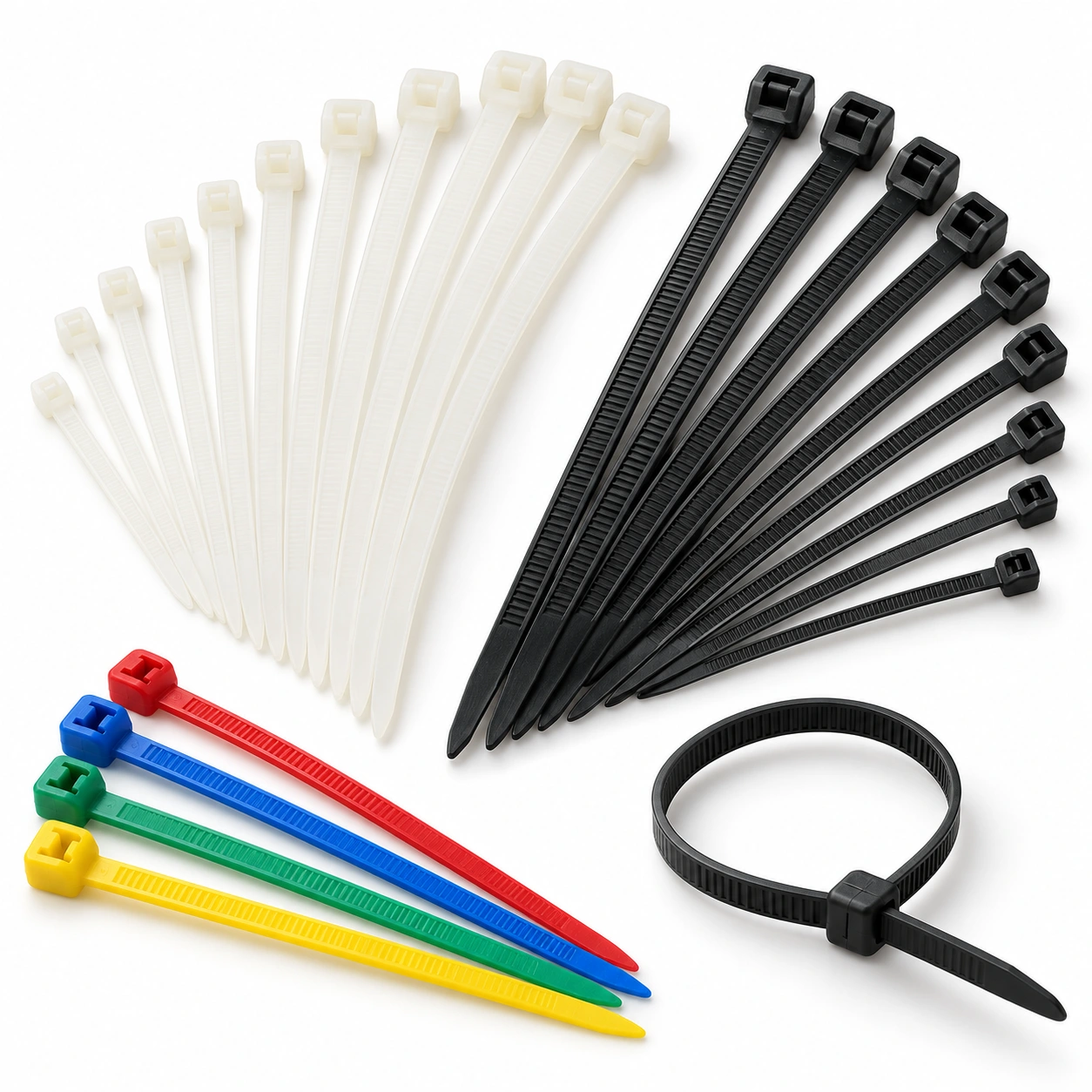
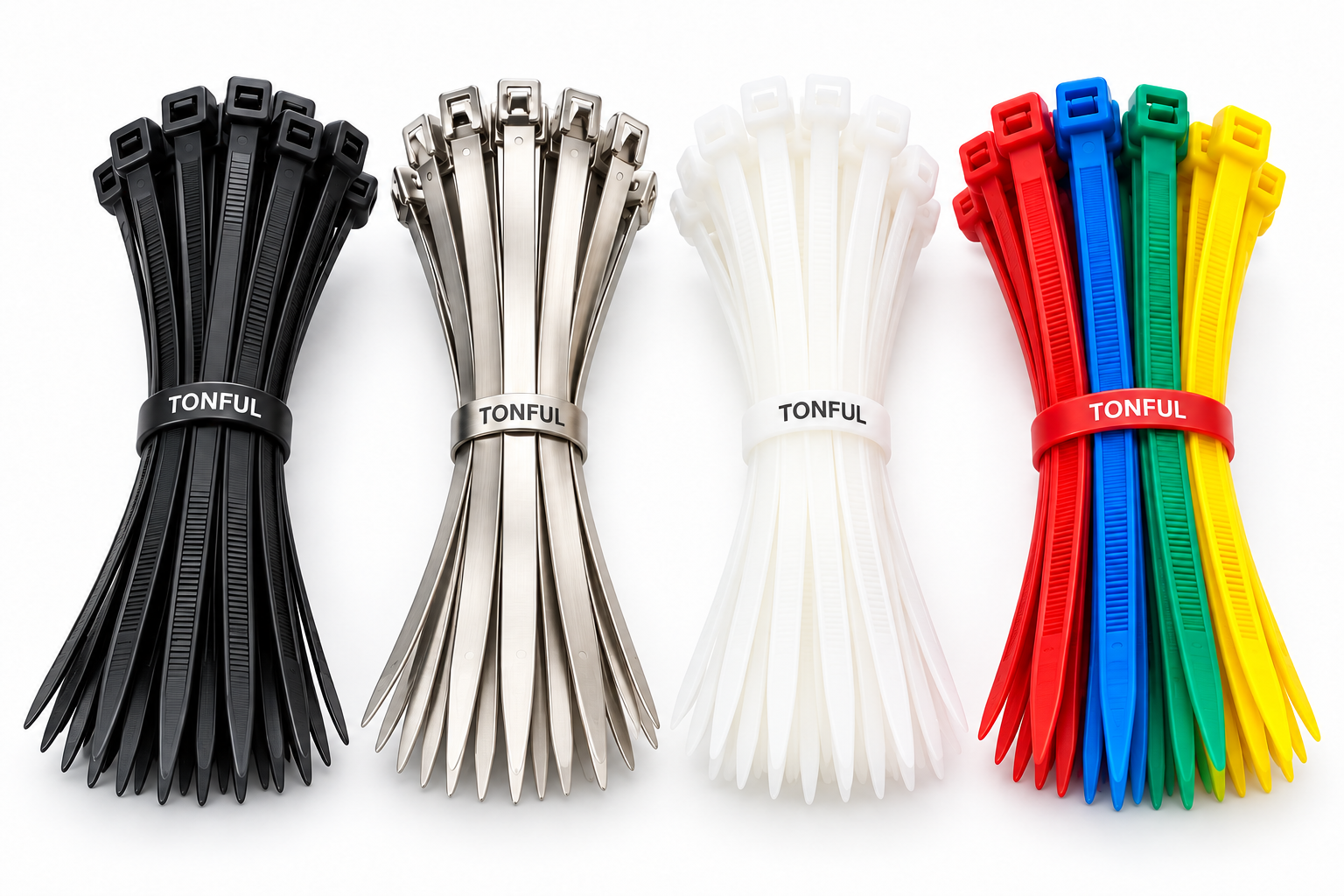
Illustrative TONFUL collection of black nylon, stainless steel, natural nylon and red blue green yellow cable ties

Cable Tie Product Range

Compare cable ties, identification markers and fixing accessories. Confirm drawings, dimensions, ratings and available variants for your selected model. The three accessory images are reference illustrations; final product details are confirmed with your enquiry.

Natural, black and coloured one-piece self-locking Nylon 66 cable ties

Self-locking cable tie

One-piece Nylon 66 cable ties with an integral locking head and serrated strap for cable bundling. Compare 69 catalog models across six actual widths from 2.5 to 12mm. Choose natural, black or coloured options, then confirm length, bundle diameter, tensile strength and the required material grade.

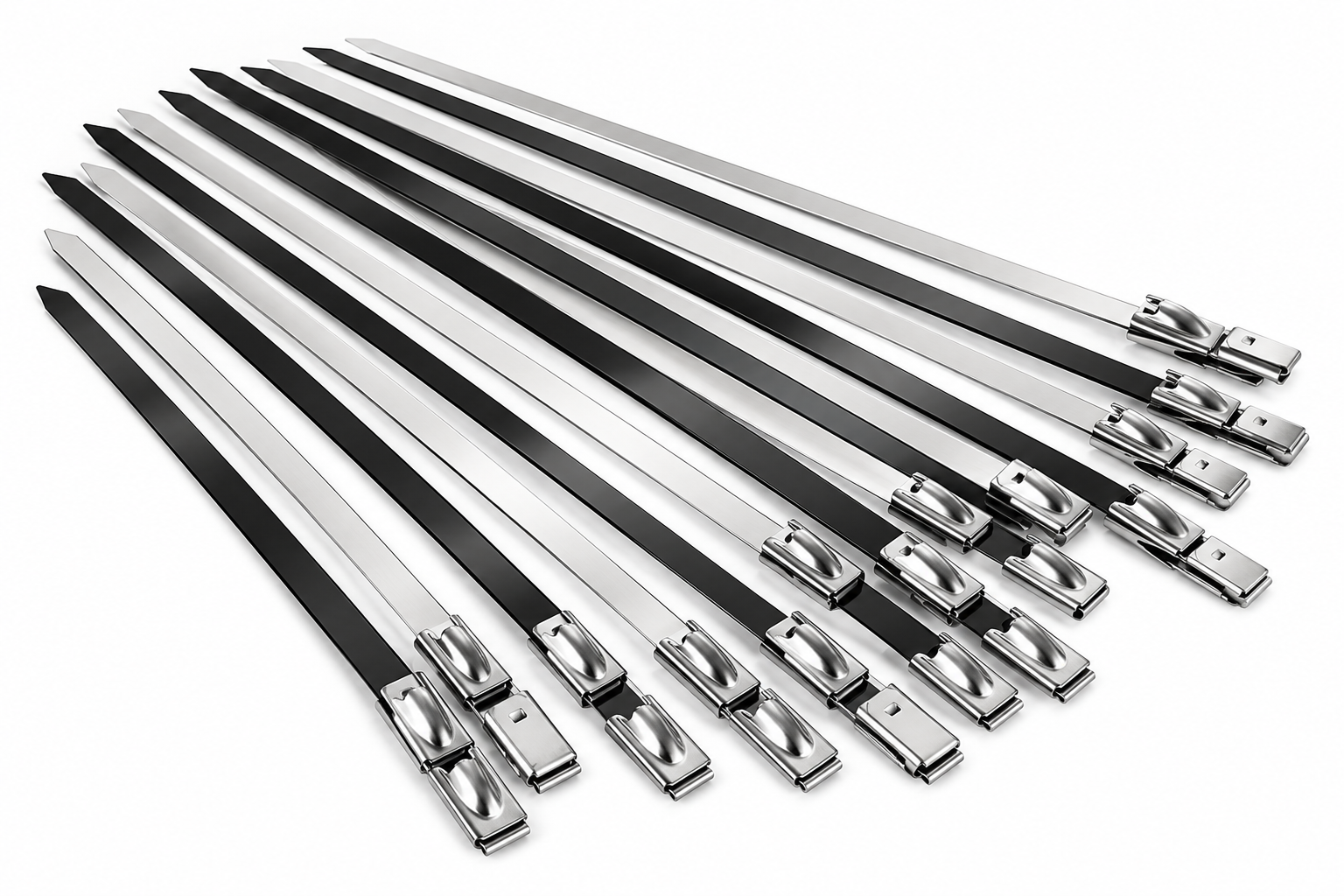
Stainless Steel Cable Ties — illustrative product image based on the original TONFUL range

Stainless Steel Cable Ties

Consider metal ties when the specified environment or fixing requirement calls for a stainless design. Compare the steel grade, locking mechanism, coating and installation tool. Review cable contact, cut edges and corrosion conditions before approving a model.

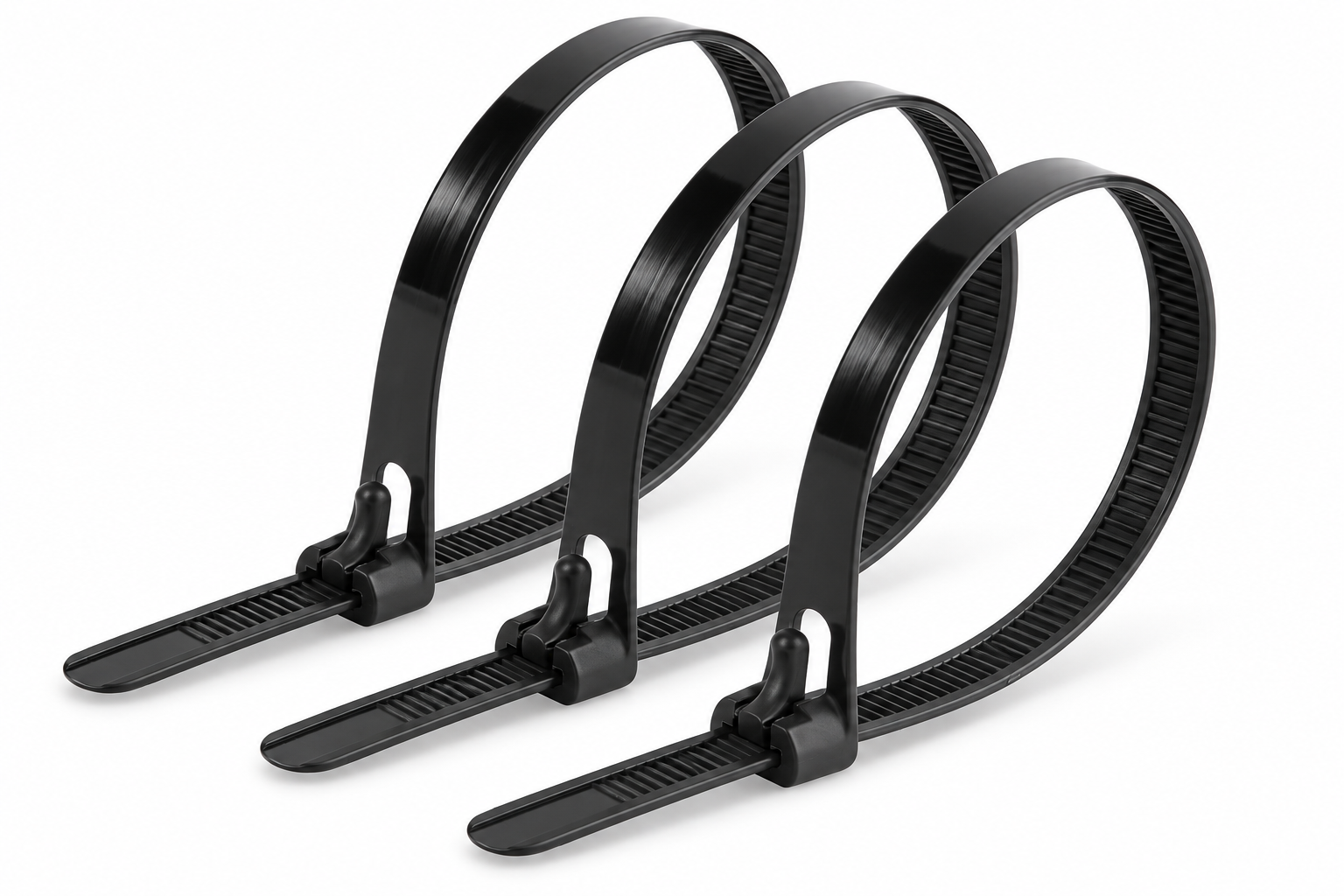
Releasable Cable Ties — illustrative product image based on the original TONFUL range

Releasable Cable Ties

A release feature allows access to bundles during assembly, adjustment or maintenance. Check that the release can be reached in the installed position and that the design suits your reopening requirements. Confirm sizes and model-specific reuse instructions.

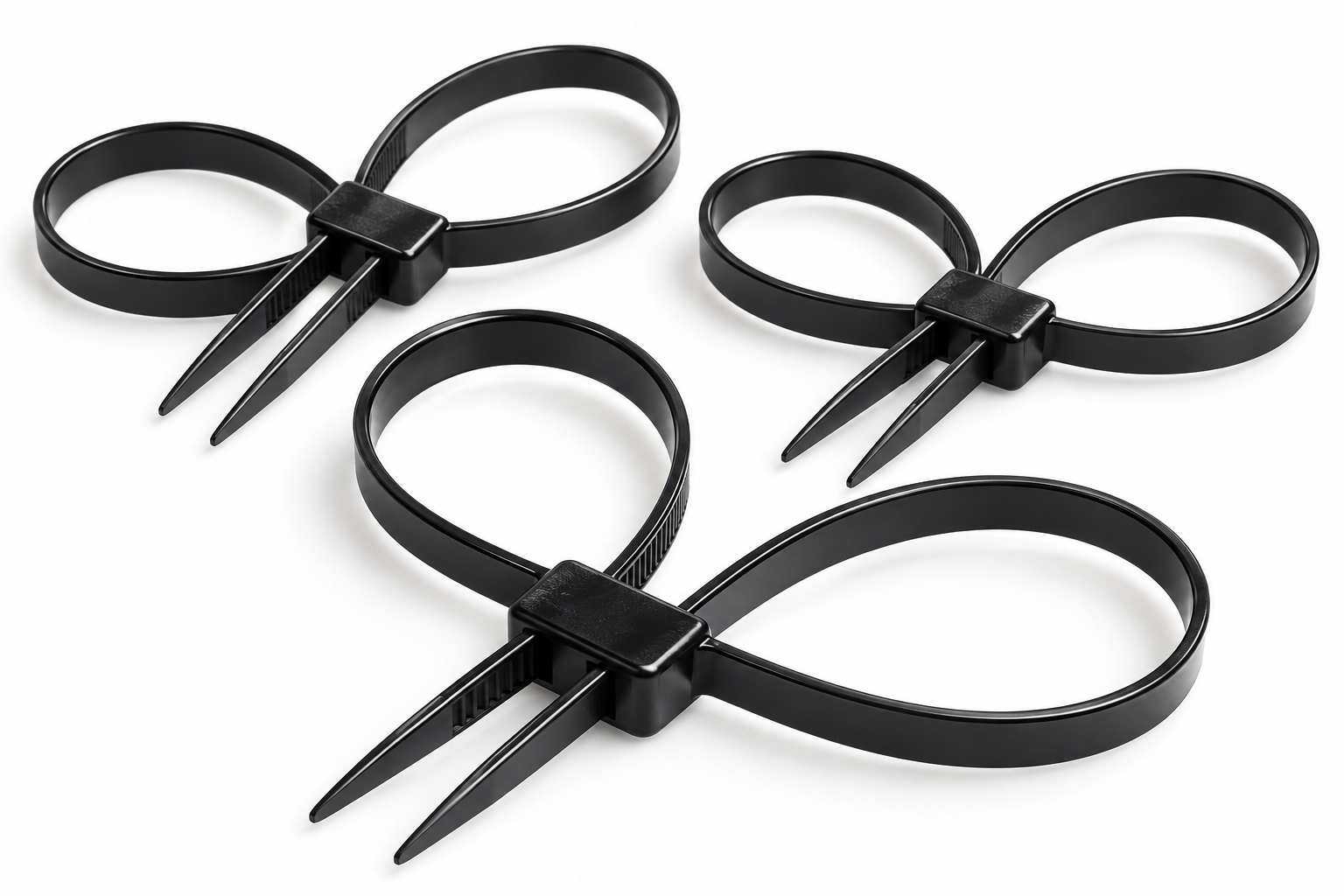
Double Loop Cable Ties — illustrative product image based on the original TONFUL range

Double Loop Cable Ties

A double-loop arrangement can separate two bundles or secure components in a defined routing layout. Review the head geometry, individual loop capacity and space between the groups against your drawing. Send an installation photo when matching an assembly.

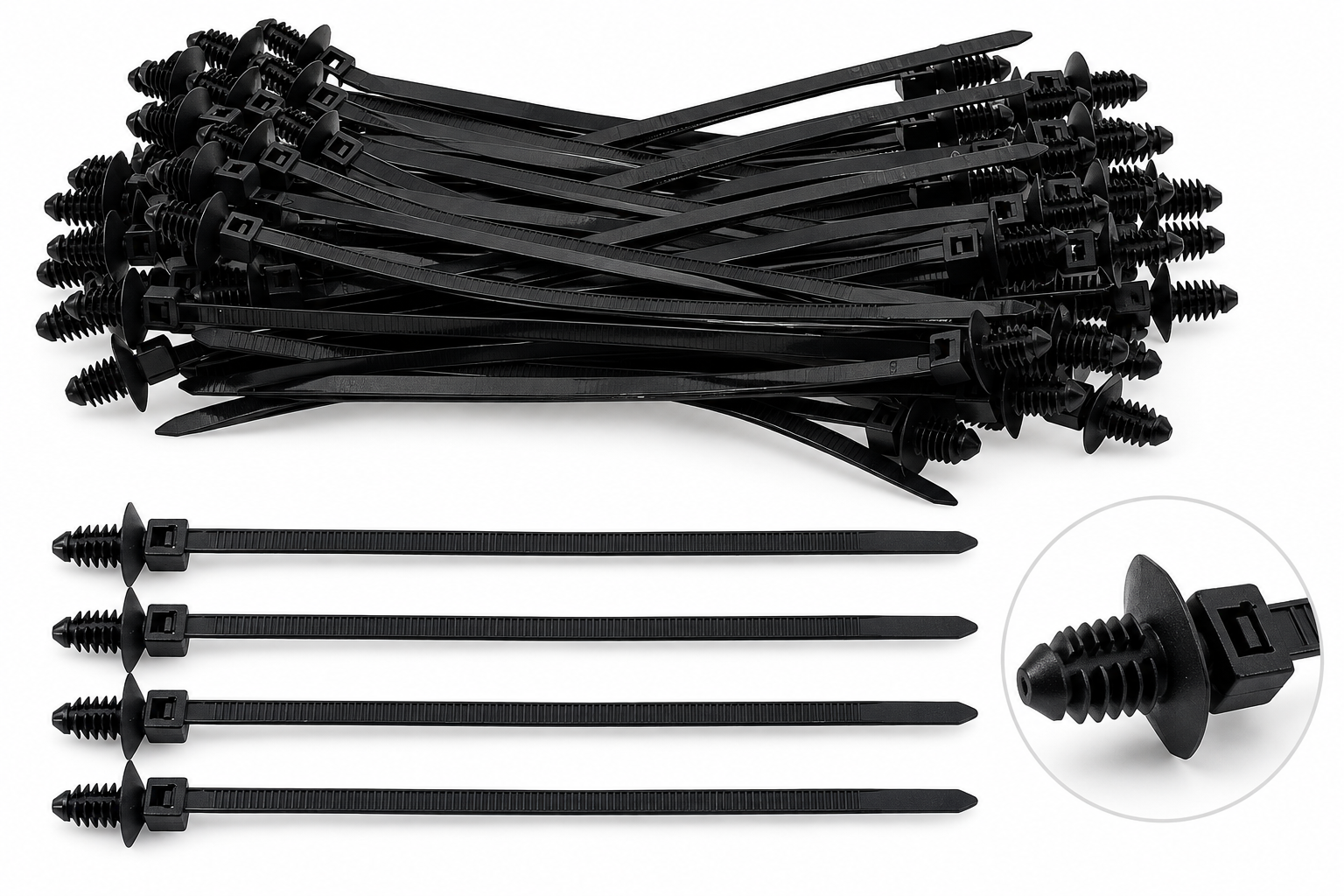
Fir Tree Cable Ties — illustrative product image based on the original TONFUL range

Fir Tree Cable Ties

An integrated push-in fixing positions a bundle at a panel hole. Match the fixing to the hole diameter, panel thickness and required insertion and retention behavior. Check harness offset, head clearance and removal access on an installed sample. Send the panel drawing and bundle range.

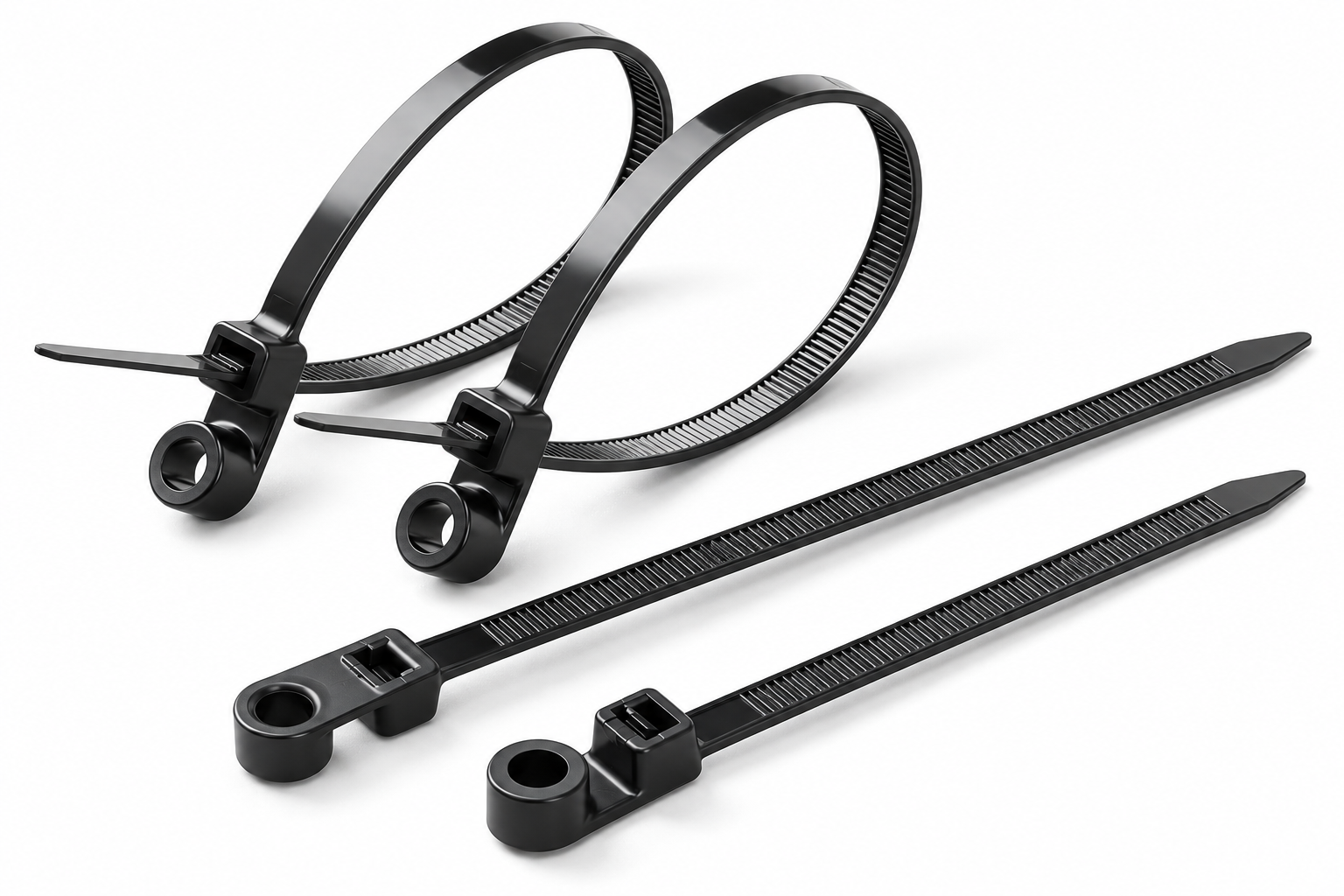
Mountable Head Cable Ties — illustrative product image based on the original TONFUL range

Mountable Head Cable Ties

These designs combine bundling with a mounting feature for a defined fixing point. Identify the screw, hole or other attachment interface before selecting strap dimensions. Review installation access, head orientation and the support surface. Confirm the complete fixing arrangement against your application.

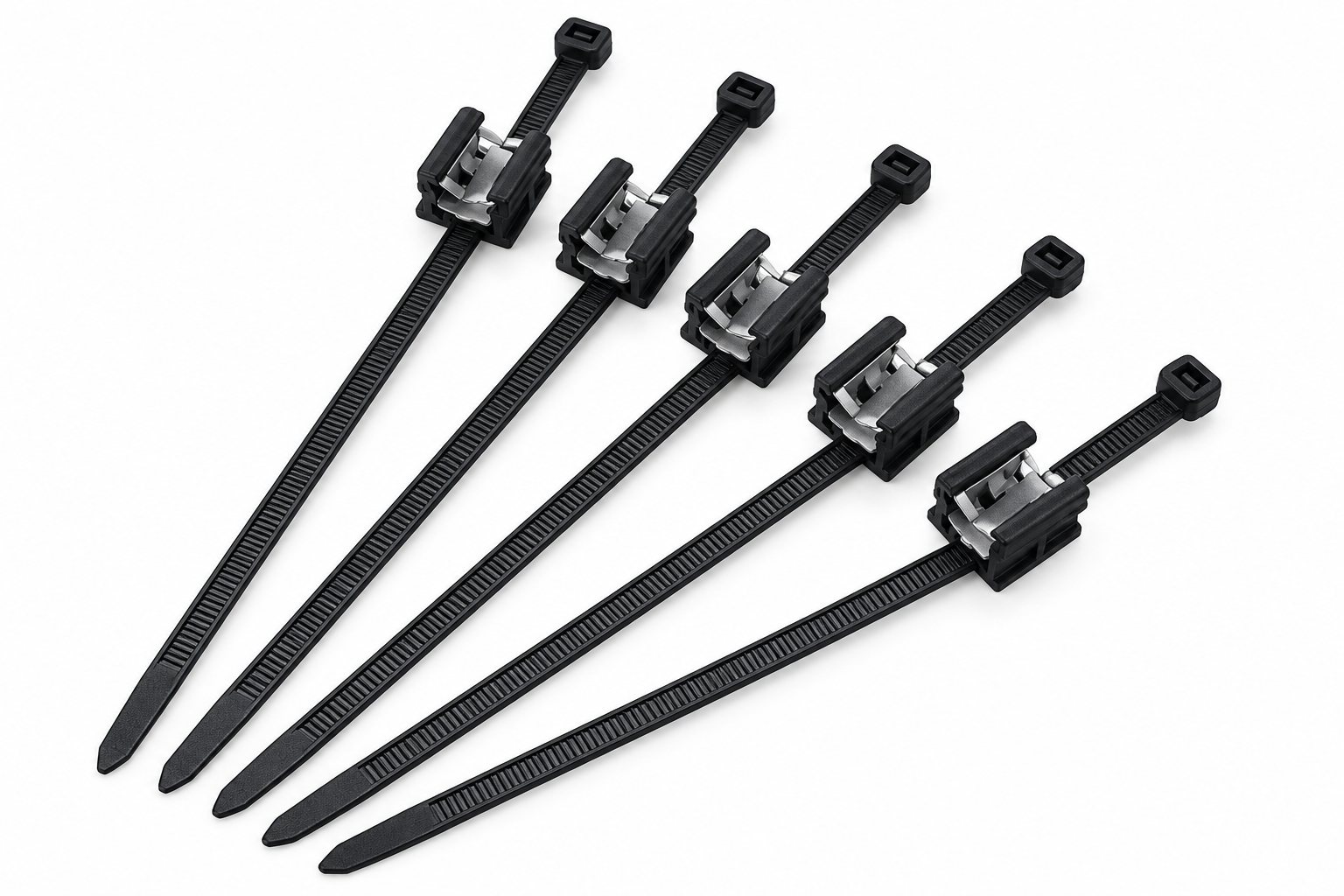
Edge Clip Cable Ties — illustrative product image based on the original TONFUL range

Edge Clip Cable Ties

An edge clip routes a harness along a suitable panel edge. Match the clip to the edge thickness, material, surface finish and routing direction. Check retention and potential surface damage using a representative panel sample. Send panel requirements, bundle size and orientation.

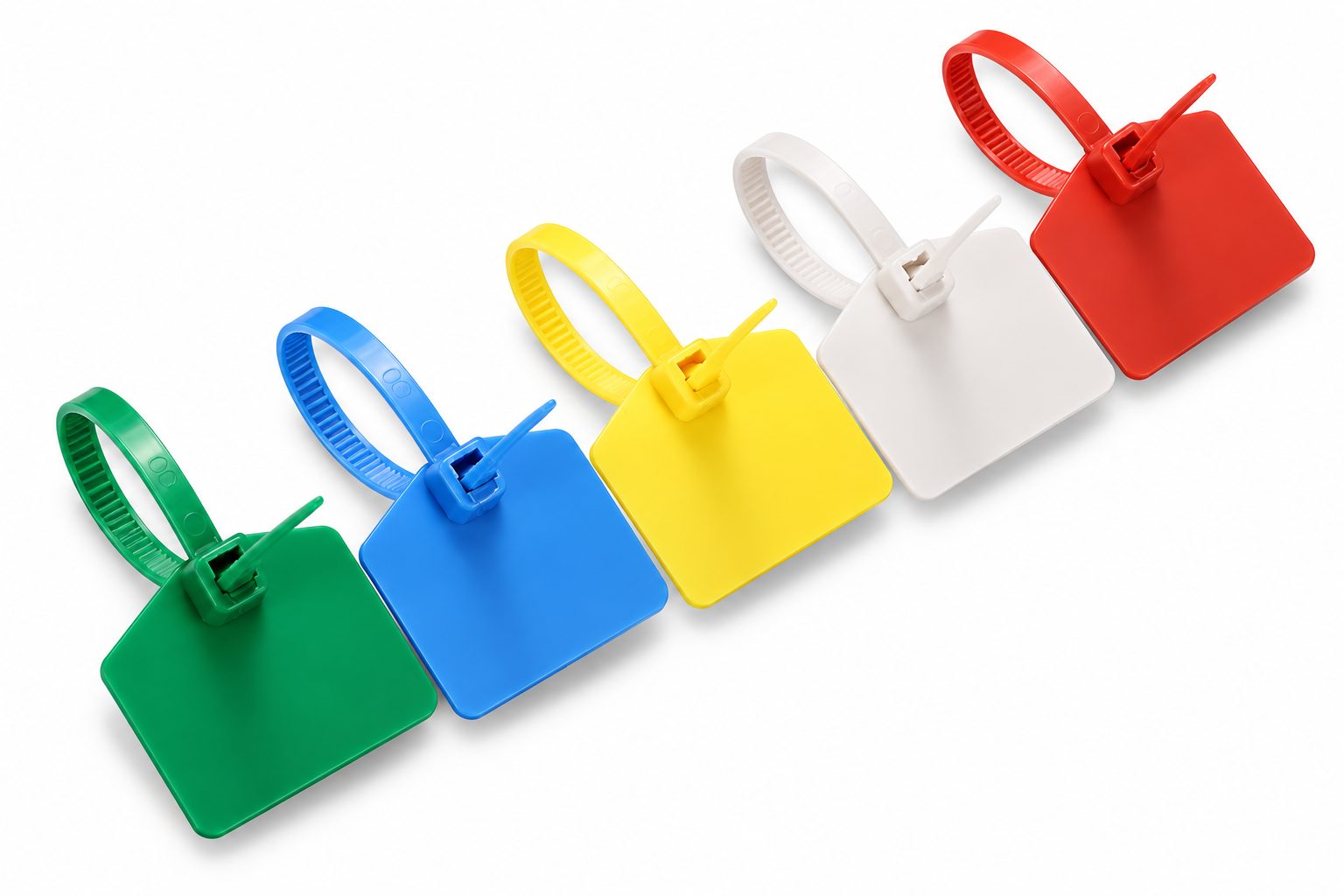
Marker Cable Ties — illustrative product image based on the original TONFUL range

Marker Cable Ties

An integrated marking area combines bundling and identification. Specify the writing or printing method, label area and required readability. Confirm that the flag remains accessible after installation without interfering with moving parts or connectors.

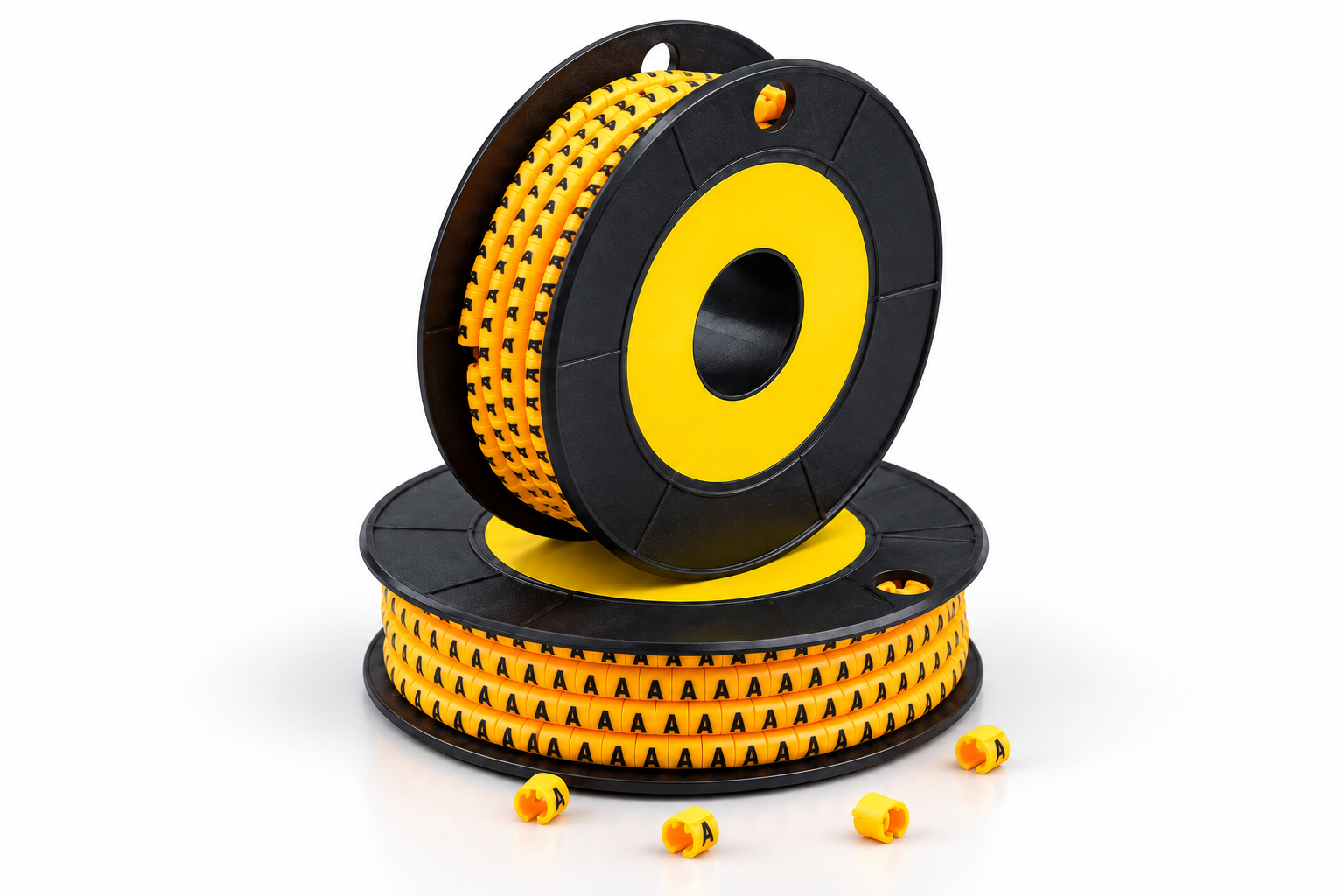
Cable Markers — illustrative product image based on the original TONFUL range

Cable Markers

Identify wires and circuits with separate cable markers. Specify the cable diameter, character sequence, marking method and installation stage. Ask about available styles and packaging for your wiring identification requirements.

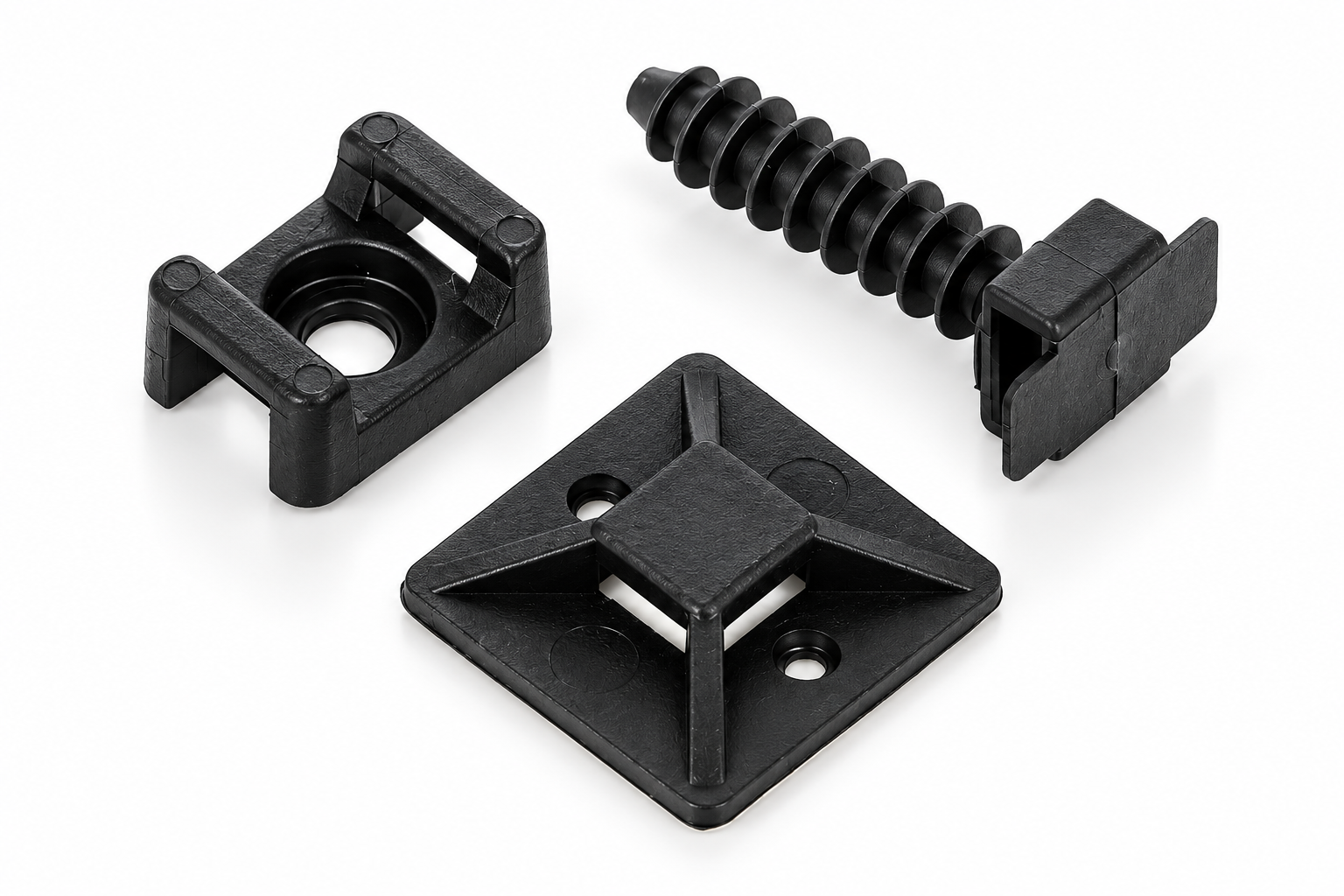
Cable Tie Mounts — illustrative product image based on the original TONFUL range

Cable Tie Mounts

Position bundles using a separate cable tie base. Confirm tie width, mounting method, surface condition and fixing dimensions. Review the complete base and tie arrangement against your assembly before selecting a model.

Cable Clips and Clamps — illustrative product image based on the original TONFUL range

Cable Clips & Clamps

Route individual cables or bundles with dedicated clips and clamps. Specify cable diameter, panel or wall material, fixing method and available clearance. Confirm the selected model’s fit and retention requirements before ordering.

Cable Tie Applications

Explore three typical cable-management environments. Select the exact tie and fixing against your application requirements.

Illustration of black cable ties routing protected automotive wire harnesses

Automotive Wire Harnesses

Bundle and route insulated wires during harness assembly. Match the tie and fixing to the panel geometry, bundle diameter, vibration and temperature requirements. Check clearance from moving parts and approve the installed assembly against the selected model’s data.

Illustration of white cable ties organizing insulated wires in an industrial control cabinet

Industrial Control Panels

Organize cable groups within equipment and control cabinets. Coordinate ties, mounting bases and identification markers with wiring ducts and service access. Confirm material requirements, installation tension and any applicable flame-performance documentation for the specific product.

Illustration of black cable ties and mounting bases routing cables beneath a solar panel

Solar & Outdoor Installations

Route cable bundles along photovoltaic frames and outdoor equipment. Request documented UV suitability and exposure limits for the proposed tie. Review fixing surfaces, corrosion conditions and cable clearance; black color alone does not establish outdoor suitability.

Which Cable Tie Type Fits Your Application?

Compare the installed function before choosing a material or fixing style. For a deeper material decision, read our nylon versus stainless steel cable ties guide.

TypeReason to consider itConfirm before ordering
Nylon bundling tiesGeneral harness and cable groupingMaterial grade, usable bundle range, lock geometry and installation tension.
Stainless steel tiesApplications requiring a metal constructionAlloy, coating, lock, cable contact and cutting method.
Releasable tiesBundles that need planned accessRelease clearance, instructions and retained performance after reopening.
Mounting & edge-clip tiesPositioning a bundle on a panel or fixing pointHole or edge dimensions, retention, orientation and installed clearance.
Marker tiesCombining fastening and identificationMarking area, print method, visibility and environmental readability.

Cable Tie Specifications to Confirm

There is no single temperature, tensile-strength or approval value covering every cable tie shown here. Use this checklist to define your enquiry and request the applicable drawing and data. Model-specific evidence makes quotations easier to compare and helps prevent substitutions that look similar but behave differently.

Specification fieldInformation to provide or request
Product identityFamily, part number or reference sample, drawing and revision.
Material & finishExact nylon compound or stainless grade, color, coating and any required declaration.
Dimensions & fitStrap length, width, thickness, head clearance and permitted bundle diameter range.
Mounting interfaceHole diameter, panel thickness, edge dimensions or separate fixing details.
Mechanical performanceRequired loop tensile strength, test method, sample conditioning and acceptance source.
EnvironmentInstallation and service temperatures, sunlight, water, chemicals and relevant exposure duration.
DocumentationApplicable standard, test report or certificate scope for the selected model.
Packaging & supplyQuantity per size, bag count, labels, cartons, destination and required delivery date.

Select Cable Ties in Six Practical Steps

Measure the Bundle

Record the smallest and largest bundle diameter, cable coverings and permitted future additions. Compare these with the selected model’s usable bundle range. Allow access for tightening and trimming; overall strap length includes the portion needed to engage the head and does not directly establish maximum bundle capacity.

Match the Fixing Interface

Identify whether the tie simply bundles wires or also attaches them to a panel. Provide hole, edge, screw or base details as applicable. Check panel thickness, harness offset and the routing direction on your assembly drawing. A mounting feature must fit the attachment point as well as the cable bundle.

Define the Environment

List sunlight, moisture, fluids, vibration and both installation and service temperatures. Specify continuous and short-duration exposure separately when relevant. Choose against the exact material and product evidence. Our outdoor cable tie selection guide explains why black color alone is insufficient.

Separate Strength from Tension

Request the loop tensile value and its test conditions for the proposed part. Installation tension must secure the bundle without damaging insulation, hoses or coverings; review the installed sample and the intended tensioning method.

Plan Access and Identification

Choose a releasable design if controlled reopening is part of the maintenance plan, and verify access to the release. Choose a marker design where identification is needed. Check that the head or flag does not obstruct connector latches, sealing parts, moving components or service access in the final assembly.

Approve a Representative Sample

Evaluate the actual tie, cable bundle, fixing surface and tool method together. Check fit, locking, contact damage, tail cutoff and required environmental evidence before approving a replacement. For the full purchasing workflow, use the cable ties buying guide and record the approved part reference.

Make Quality Part of the Purchase Specification

IEC 62275:2022 covers cable ties and associated fixing devices for managing or securing wiring in electrical installations; additional requirements can apply when they support wiring. Refer to the applicable specification for your project. This standards reference is not a claim that every TONFUL model holds an approval.

Dimensions & Finish

Request the controlled drawing and confirm the dimensions that affect fit. Review molded edges, teeth and the locking feature on nylon parts, or strap edges, locking parts and coating coverage on metal ties. Define allowable variation in the purchase specification rather than relying only on a catalogue photograph.

Locking & Test Evidence

State the required mechanical test method and acceptance value. Compare results obtained under the same relevant conditioning and test conditions. Agree the sample quantity, equipment and reporting requirements where testing is part of your order; do not treat a single unexplained catalogue number as complete qualification evidence.

Material & Document Scope

Ask for the material identity and any required declaration, test report or approval for the selected model. Check document scope, part identity and applicable conditions before adding a compliance claim to your specification.

Packing & Traceability

Specify the count per bag, part identification, label content and any required batch reference. Agree carton quantities, inspection records and change-notification requirements with your order. Retain the approved sample and drawing so repeat deliveries can be compared with the same purchasing reference.

OEM Cable Ties & Wholesale Ordering

Bring the product and commercial requirements into one enquiry. TONFUL can review your selected cable tie families, quantity and packaging needs. Custom requirements are assessed for the proposed product and order; availability, minimum quantity, sample terms and production timing should be confirmed in the quotation.

Your Product Brief

  • Product family and existing part number or sample.
  • Drawing, dimensions, bundle range and fixing interface.
  • Material, color, exposure conditions and required documents.
  • Quantity for each model, size and color.
Your Packaging & Delivery Brief

  • Bag quantity, mixed-size requirements and carton arrangement.
  • Branding, artwork, barcode and label information.
  • Delivery destination and requested schedule.
  • Initial order quantity and expected repeat demand.

Use the quotation to confirm the exact model, price, packing, MOQ, sample arrangements, lead time and shipping terms. For an existing assembly, approve the drawing and representative sample before confirming a substitution.

Cable Tie Workshop & Packaging

Illustrative nylon cable tie workshop with guarded moulding equipment and organized product bins

Cable Tie Production & Inspection

For nylon cable ties, consistent moulded dimensions and a reliable locking head are key to selection. Share the required length, width, material, colour and application with TONFUL. Confirm inspection criteria and sample approval for your chosen model before placing a bulk order.
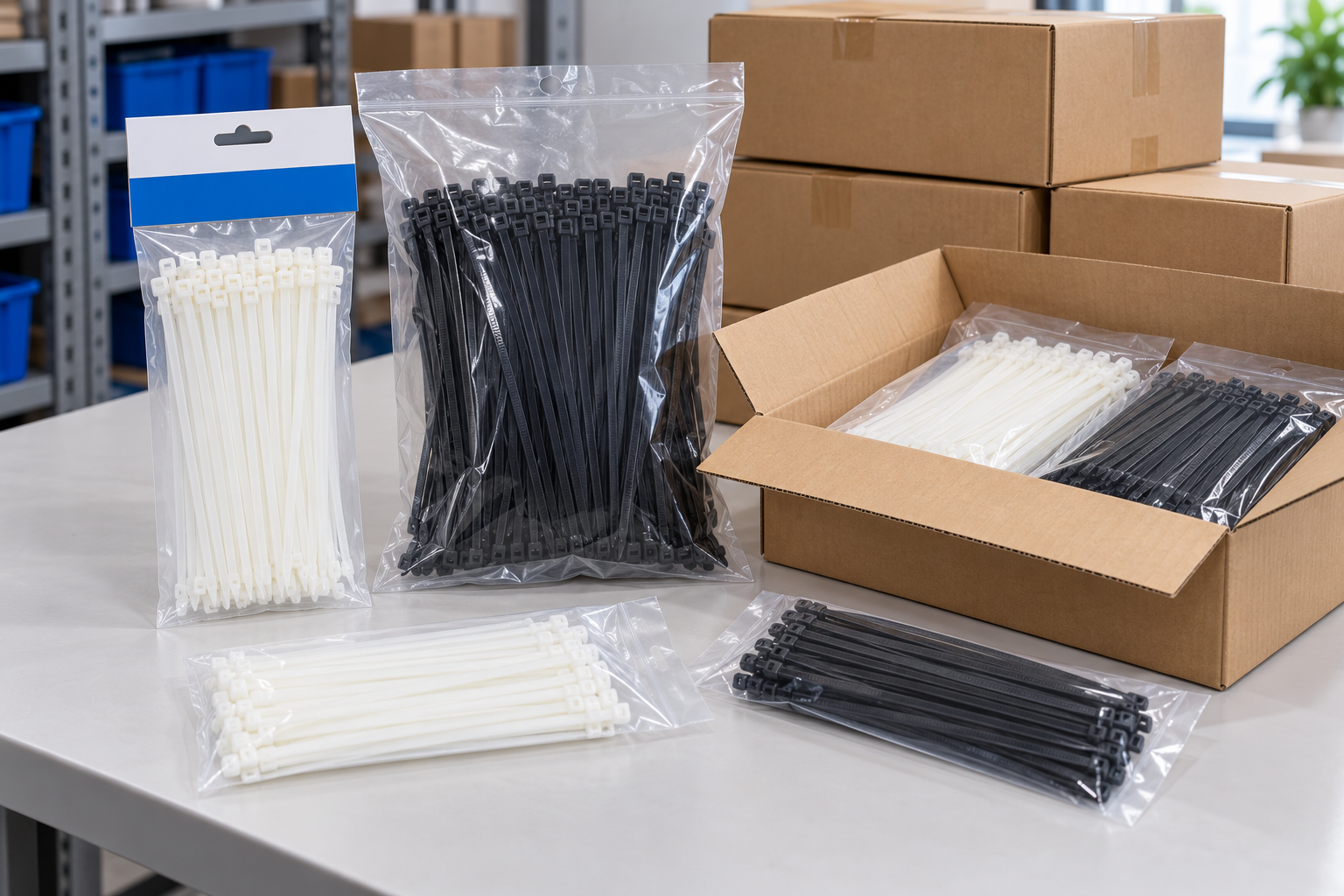
Illustrative cable tie packaging options with clear bags, a header-card pack and shipping cartons

Packaging for OEM & Wholesale Orders

Arrange bag quantities, product identification and carton requirements around your purchasing workflow. Discuss bulk bags, retail header cards and private-label artwork with TONFUL. Final packaging options, minimum quantities and delivery terms are confirmed in your quotation.

Workshop and packaging scenes are illustrations, not photographs of an actual facility or shipment.

Cable Ties: Frequently Asked Questions

Are all black cable ties UV resistant?

No. Black color alone is not evidence of outdoor suitability. Ask for the exact model’s material specification and available UV or weathering evidence. Define the intended exposure and installation conditions before choosing a black tie for outdoor use.

Can standard cable ties be reopened and reused?

Standard self-locking ties are generally removed by cutting and replaced. Where planned access is needed, request a releasable design and follow its product-specific instructions. Check release clearance and the required performance after reopening; a release feature does not establish unlimited reuse.

How do I choose the correct length and width?

Start with the usable bundle diameter range, head clearance and fixing geometry for the selected model. Width and thickness also affect stiffness, tool compatibility and contact with the bundle. Send your assembly dimensions so the proposed tie can be checked against the actual installation.

When should I consider stainless steel cable ties?

Consider a metal design when the application specification, environment or fixing requirement makes it appropriate. Confirm alloy, locking design, coating, tool method and cable contact. Review corrosion and electrical-clearance requirements in the installed assembly rather than selecting solely from a generic temperature claim.

Does loop tensile strength equal the weight I can suspend?

No. Loop tensile strength is a test property under defined conditions. It is not a lifting rating or universal installed support capacity. Follow the applicable installation requirements and obtain product-specific evidence for the intended function.

Can I request samples or private-label packaging?

Include the model, quantities, evaluation purpose and packaging artwork in your enquiry. Our team will confirm available arrangements and any applicable charges, minimum quantities and shipment terms. Sample fit and required performance should be approved before the bulk order.

What are the MOQ and lead time?

They depend on the selected family, sizes, quantity, stock situation and custom requirements. Provide your first-order quantities, destination and required delivery date for a specific quotation. Confirm timing and commercial terms before committing to a purchasing schedule.

Which certificates are available for a cable tie?

Request documents for the exact part and material you intend to order. Verify that the document covers the model, stated properties and relevant application. General company certificates and logos should not be interpreted as product-wide approvals.

Request a Cable Tie Quote

Send your product family, dimensions, material, quantity and destination. Add a drawing or sample reference, packaging requirements and any required test documents so TONFUL can review the selected options and prepare a relevant quotation.

Email ivan@tonful.com or open the enquiry window below.

滚动至顶部

Ask For Quote Now