Author name: tonful.com

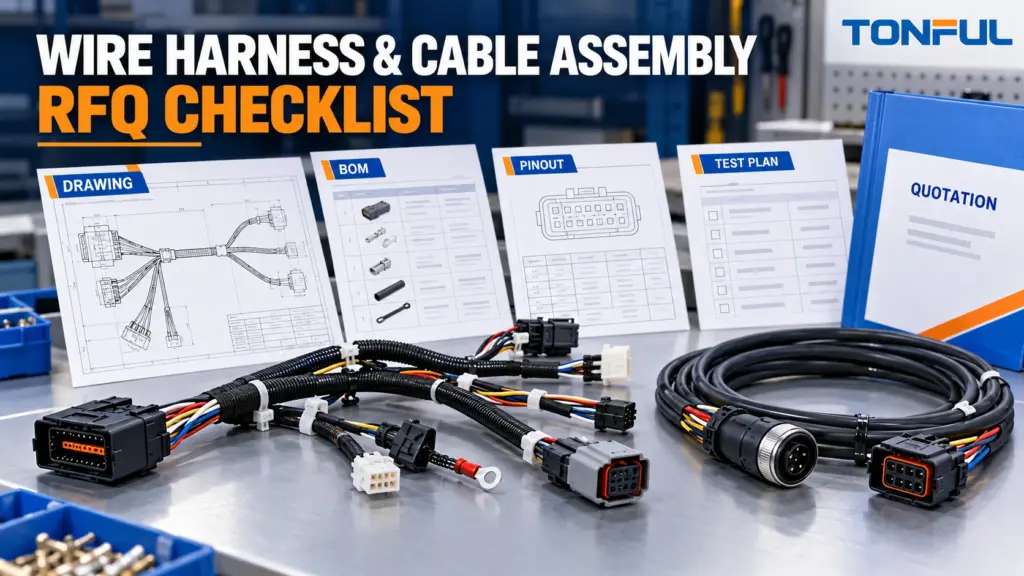
Wire Harness and Cable Assembly RFQ Checklist

A wire harness or cable assembly RFQ should let a supplier quote the same product that engineering intends to approve. A photograph, sample and annual quantity are not enough. Without controlled drawings, a complete bill of materials, connector orientations, pin assignments, workmanship criteria and test requirements, suppliers must make assumptions. The resulting quotations may look …
Wire Harness and Cable Assembly RFQ Checklist Read More »

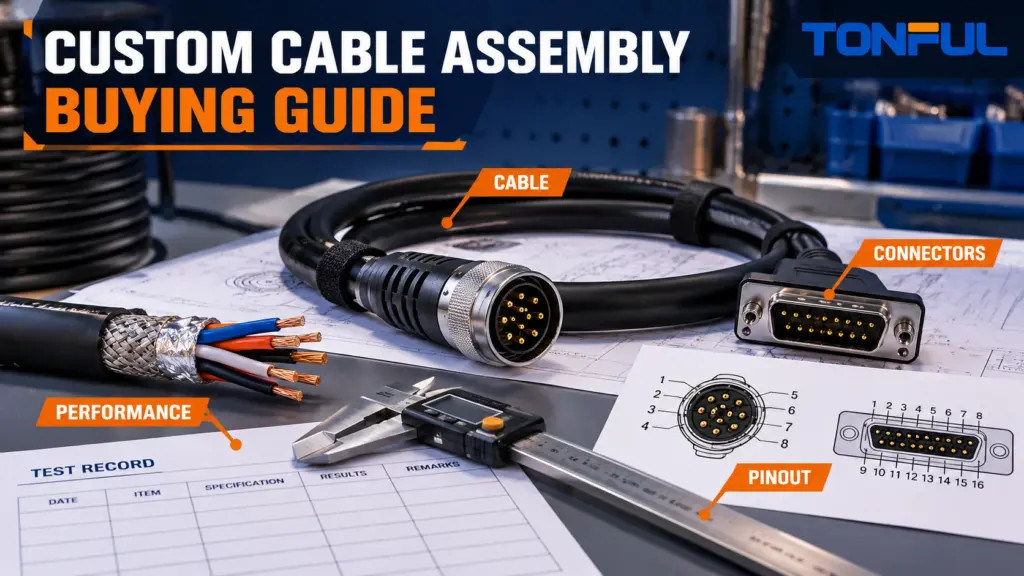
Custom Cable Assembly Buying Guide for OEM Buyers

A custom cable assembly is not defined by two connectors joined by a length of cable. Its performance depends on the cable construction, conductor or pair assignment, shield and grounding strategy, connector interfaces, termination geometry, strain relief, routing and verification method. A sample can pass a basic continuity check while failing the intended data rate, …

Custom Cable Assembly Buying Guide for OEM Buyers Read More »

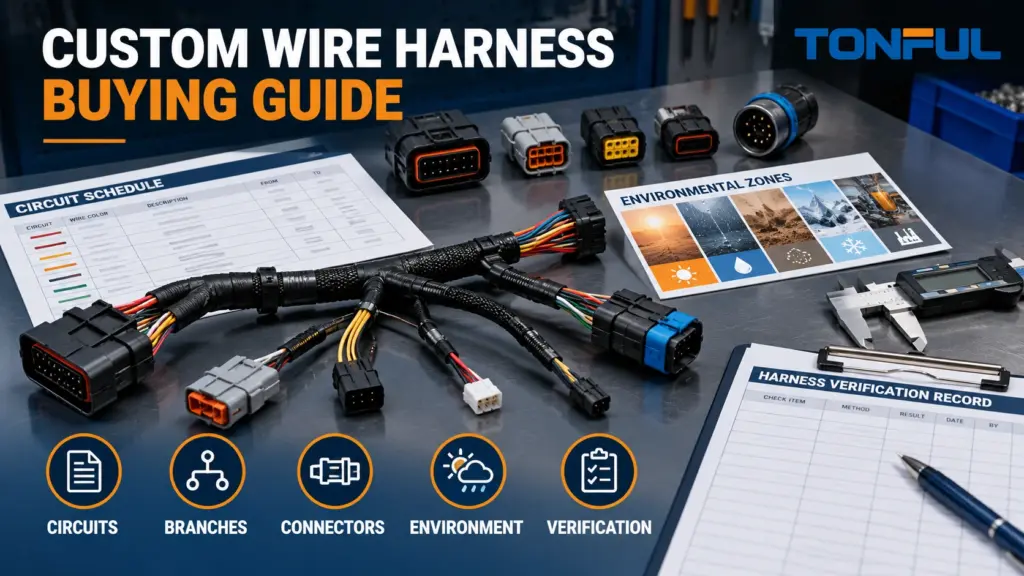
Custom Wire Harness Buying Guide for OEM Projects

A custom wire harness should be purchased from a controlled electrical and mechanical definition, not from a sample photograph and a list of connector names. The harness must distribute power and signals to the correct destinations, fit the routing envelope, mate with every device, tolerate the installation environment and remain reproducible after the first order. …

Custom Wire Harness Buying Guide for OEM Projects Read More »

Wire Harness vs Cable Assembly: How to Specify Each

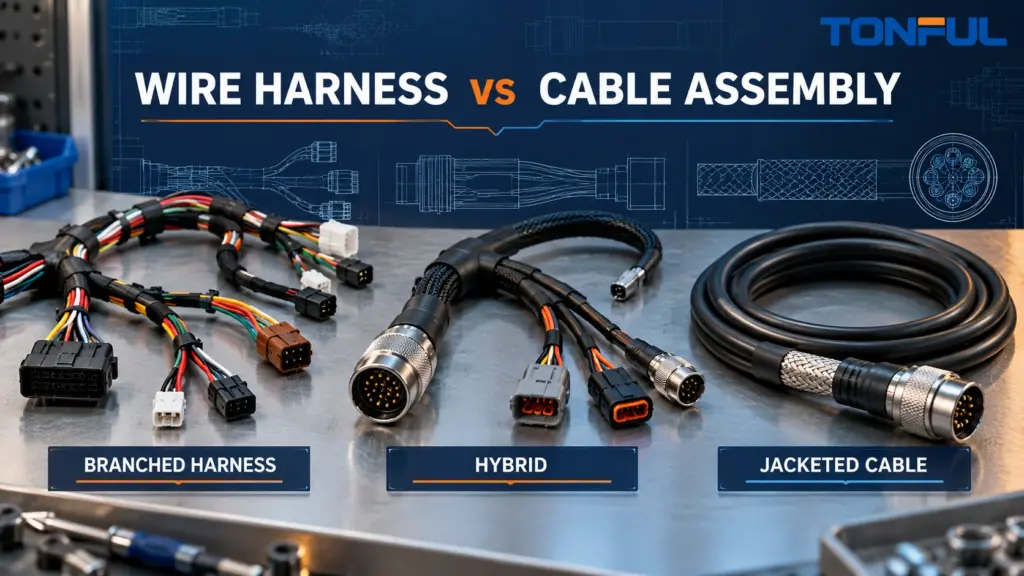
The choice between a wire harness and a cable assembly should not begin with the supplier’s preferred product name. It should begin with the electrical circuits, physical routing, environmental exposure, interfaces and verification required by the finished equipment. In common purchasing language, a wire harness often organizes multiple discrete wires into branches, while a cable …

Wire Harness vs Cable Assembly: How to Specify Each Read More »

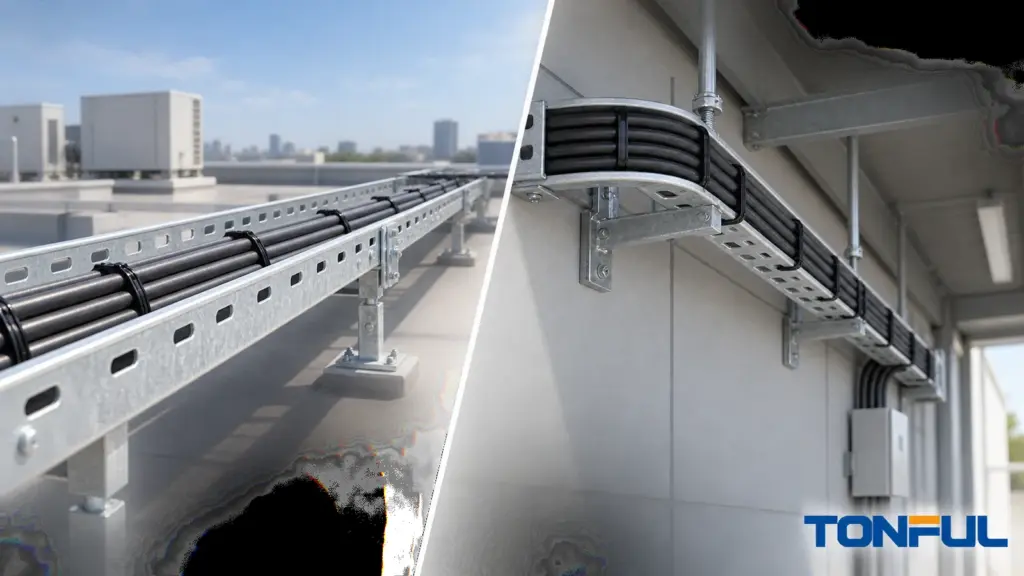
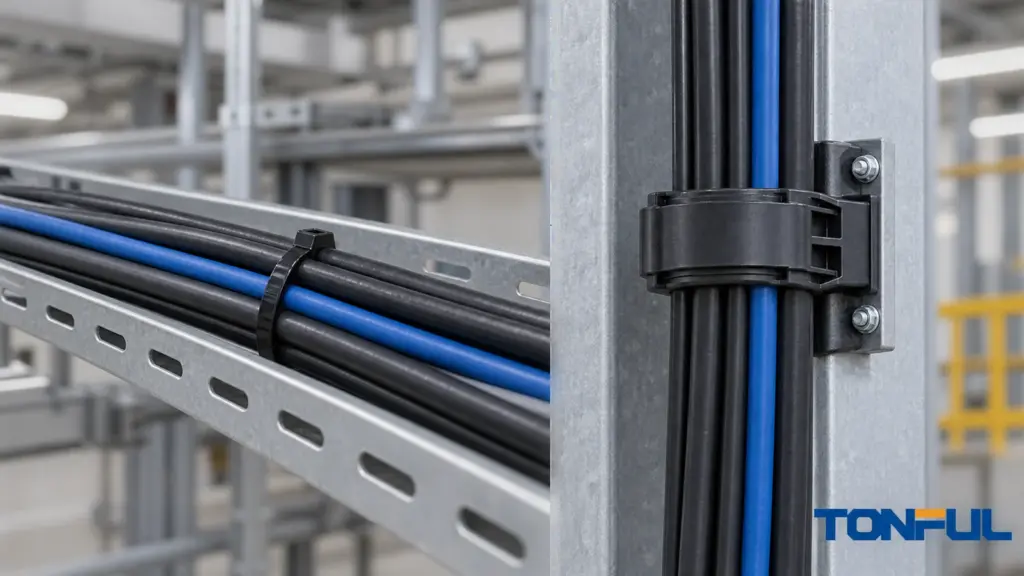
Can Cable Ties Support Electrical Cables? Securing vs Support Explained

Short answer: A cable tie can keep electrical cables together or hold them along a route. It should not automatically be treated as the component that carries their weight. Primary support requires an appropriate, verified tie-and-fixing arrangement, a suitable fastener and substrate, and an installation permitted by the applicable electrical rules and equipment instructions. A …

Can Cable Ties Support Electrical Cables? Securing vs Support Explained Read More »

Scroll to Top

Ask For Quote Now