Author name: tonful.com

Silicone vs Fluoroelastomer Heat Shrink Tubing

Silicone and fluoroelastomer heat shrink tubing can both serve demanding harnesses, but their strengths are not interchangeable. Silicone products are often considered where flexibility across a broad temperature range matters. Fluoroelastomer products are commonly evaluated where hot oils, fuels, hydraulic fluids or aggressive service conditions drive the specification. Those tendencies are useful for screening, not …
Silicone vs Fluoroelastomer Heat Shrink Tubing Read More »

PTFE vs FEP vs PVDF Heat Shrink Tubing

PTFE, FEP and PVDF heat shrink tubing are all fluoropolymer options, but they are not interchangeable. Their formulations, recovery conditions, stiffness, wall construction, clarity, chemical behavior and available qualifications can differ substantially. Selecting only by “high temperature” or “chemical resistant” can damage a component during installation or leave a critical requirement unverified. The correct comparison …

PTFE vs FEP vs PVDF Heat Shrink Tubing Read More »

Polyolefin vs PVC Heat Shrink Tubing

Choosing between polyolefin and PVC heat shrink tubing requires more than comparing material names or unit price. “Polyolefin” covers many cross-linked formulations, while PVC performance depends on resin, plasticizer, stabilizers, pigments, wall design and processing. Two tubes in the same material family can have different temperature, flame, fluid, flexibility and electrical evidence. Polyolefin is widely …

Polyolefin vs PVC Heat Shrink Tubing Read More »

Busbar Heat Shrink Tubing Selection Guide

Busbar heat shrink tubing is a component in an insulation system, not a universal method for assigning a voltage rating or reducing clearance. The correct sleeve depends on system voltage, transient stress, bar geometry, insulation coordination, pollution, temperature, joints, supports, installation process and the approved equipment design. A red or orange tube that fits the …

Busbar Heat Shrink Tubing Selection Guide Read More »

Heat Shrink Tubing RFQ and Specification Checklist

A useful heat shrink tubing RFQ should let every supplier quote the same technical and commercial scope. “Black 3:1 heat shrink” is not enough: it leaves material, pass-over size, recovered fit, wall construction, environmental exposure, markings, evidence, packaging and approval conditions unresolved. The lowest quotation may therefore describe a different product rather than a lower …

Heat Shrink Tubing RFQ and Specification Checklist Read More »

Heat Shrink Tubing Manufacturer Audit Checklist

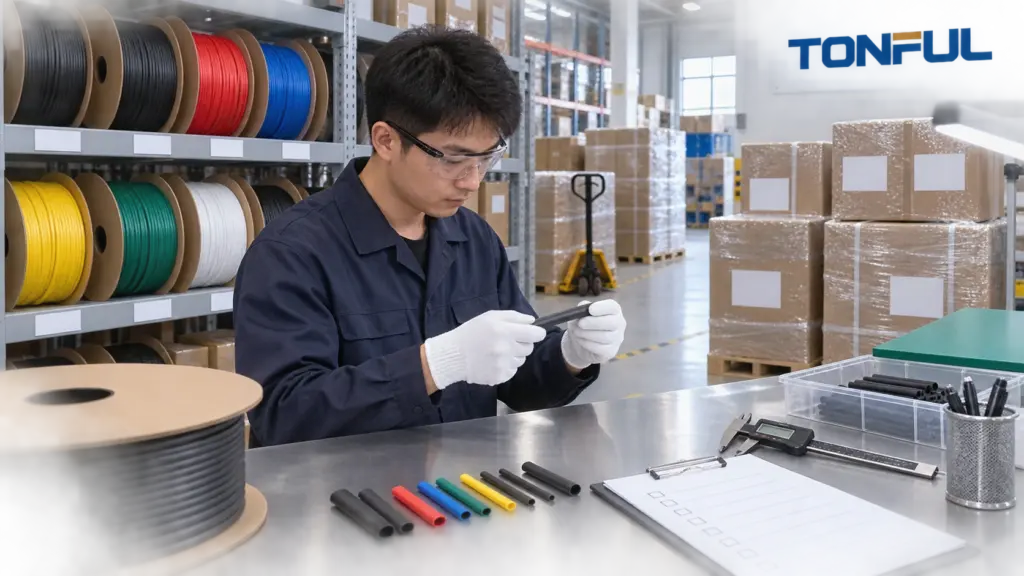
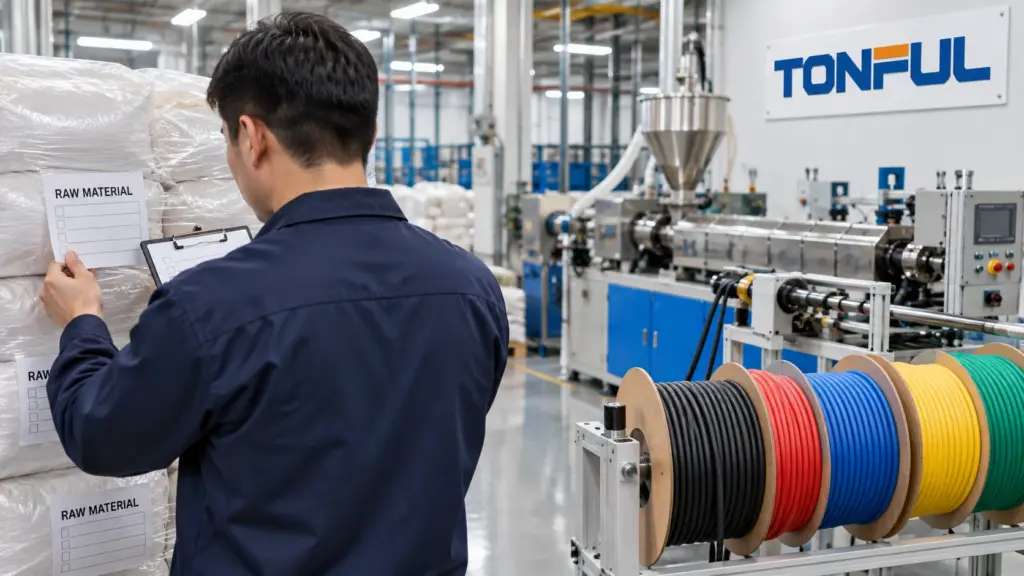
Approving a heat shrink tubing manufacturer should not depend on a certificate, factory tour or one acceptable sample. OEM buyers need evidence that material identity, extrusion, cross-linking, expansion, liner application, dimensions, testing, packaging and changes remain controlled in routine production. This heat shrink tubing manufacturer audit checklist combines a risk-based site review with a 100-point …

Heat Shrink Tubing Manufacturer Audit Checklist Read More »

Heat Shrink Tubing Testing Guide

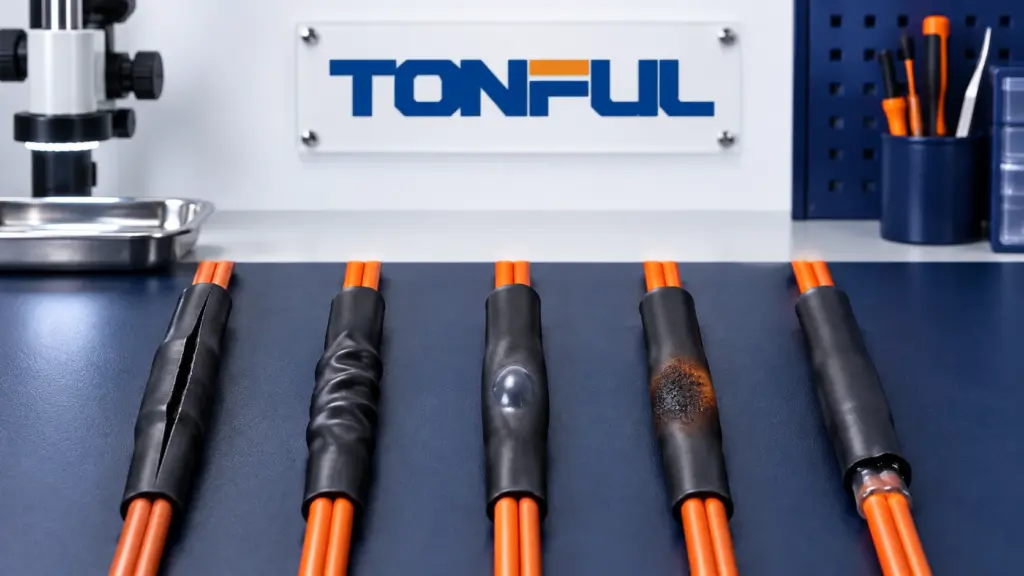
Heat shrink tubing testing should begin with a controlled specification, not with a heat gun and a pass/fail opinion. Recovery dimensions, dielectric performance, tensile properties and flame response answer different questions, require different specimens and may use different conditioning. A tube can recover neatly yet fail an electrical or mechanical requirement; a material certificate cannot …

Heat Shrink Tubing Testing Guide Read More »

Scroll to Top

Ask For Quote Now